Hypoallergenic Dog Breeds: Best Breeds for Pet Parents with Allergies
If you or someone in your family has dog allergies—but you’re still determined to welcome a canine companion into your home—you’re in good company. The good news? Certain dog breeds are widely considered more allergy-friendly than others, making it possible to live comfortably alongside a furry friend.
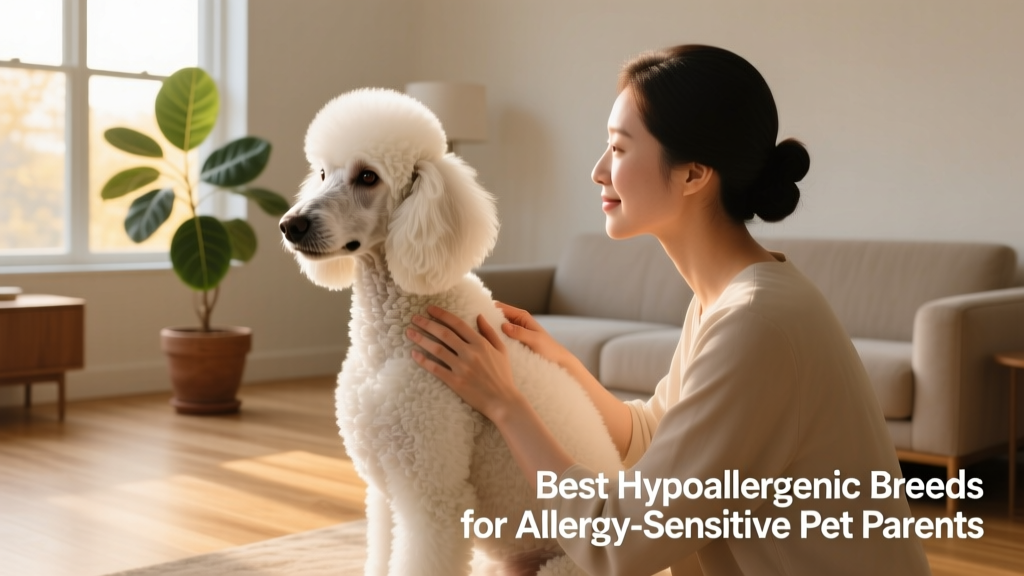
The bad news? There’s no such thing as a truly 100% hypoallergenic dog. While some breeds produce significantly less dander—the primary trigger for most dog allergies—individual reactions vary. That’s why spending time with a specific dog before adoption is essential.
What Is a Dog Allergy?
Contrary to popular belief, dog fur itself isn’t the main culprit behind allergic reactions. Instead, it’s the proteins found in dander (microscopic skin flakes), saliva, and urine that cause symptoms like sneezing, itchy eyes, or congestion. The most common allergen is Can f1, which affects nearly half of all people with dog allergies.
Some people react primarily to dander, others to saliva—and a smaller number are sensitive to urine proteins. Knowing your specific trigger helps you make smarter choices about breed, lifestyle, and care routines.
Find Out Which Dog Allergy You Have
“Allergic to dogs” is a broad term—and identifying your exact sensitivity matters. For example:
- If your allergy is tied to dog urine, outdoor potty habits usually minimize exposure.
- If saliva is your trigger, even one lick can spark a reaction—so look for adult dogs with known, low-licking tendencies.
Working with your doctor and local rescue groups can help match you with a mature dog whose temperament aligns with your needs. And before committing, consider fostering through FurPetVo—a thoughtful, low-risk way to test compatibility while supporting animal welfare.
What Does “Hypoallergenic” Really Mean?
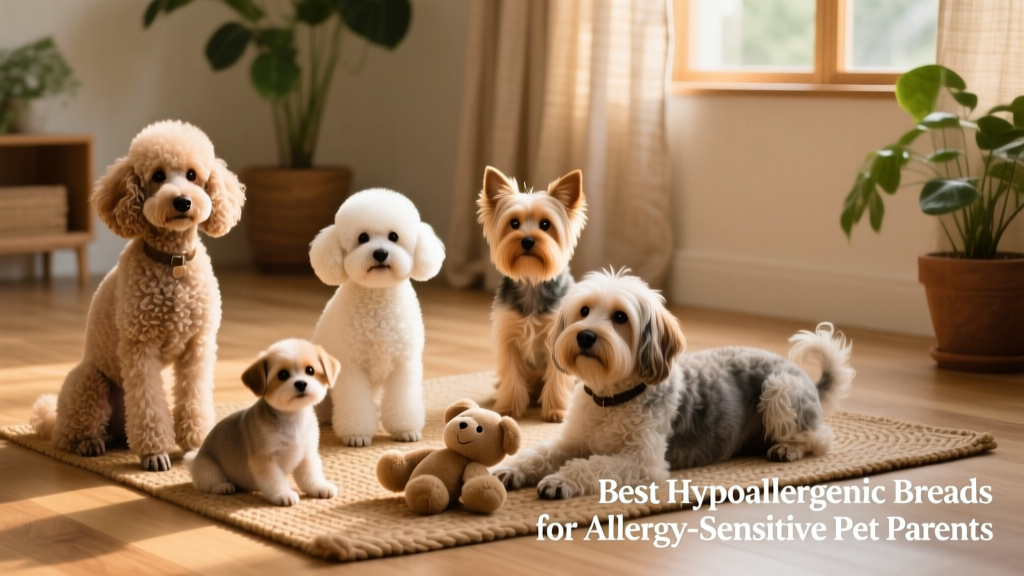
A hypoallergenic dog isn’t allergy-proof—it simply produces less dander and tends to have hair-like coats instead of dense fur. These coats shed minimally and trap fewer allergens, making them easier to manage for many allergy sufferers.
Keep in mind: Even within hypoallergenic breeds, individual dogs vary. One Poodle may be perfectly tolerable, while another triggers symptoms. Always spend meaningful time with a dog—ideally over several days—in your own home before adopting.
Do Hypoallergenic Dogs Not Shed at All?
No dog is completely non-shedding—but many hypoallergenic breeds are classified as “low-dander” or “low-shedding.” Their hair grows continuously (like human hair), rather than cycling through seasonal shedding phases. This means less loose hair floating around your home—and less dander hitching a ride on it.
However, this also means regular grooming is non-negotiable. Without brushing and trimming, their hair mats easily and traps allergens close to the skin. Hairless breeds—like the American Hairless Terrier or Chinese Crested—can also be excellent options for people highly sensitive to dander.
Top Hypoallergenic Breeds Recommended by Experts
These 15 breeds are consistently recognized by veterinarians and pet behavior specialists for their low-dander traits—and their joyful, loyal personalities. All are available through reputable shelters and rescues listed on furpetvo.com.
1. Poodle
Poodles boast tightly curled, hair-like coats that shed very little—making them one of the most trusted hypoallergenic breeds. Their grooming needs are high: weekly brushing and professional trims every 4–6 weeks keep their coat healthy and allergen-free. Historically bred as water retrievers, their signature “lion clip” was designed to protect vital joints while improving swimming efficiency.
Highly intelligent and eager to please, Poodles thrive on mental stimulation and companionship. They come in four sizes—Standard, Medium, Miniature, and Toy—so there’s a perfect fit for apartments, homes with yards, or families with young children.
2. Bichon Frise
This cheerful, cloud-like companion has a soft, fluffy white coat that releases minimal dander when properly maintained. Daily brushing and monthly professional grooming prevent matting and keep allergens in check.
Bred for entertainment centuries ago, the Bichon retains its playful, affectionate spirit. They love cuddles, walks, and quiet moments beside you—and they’re notably quieter than many small breeds. Just be mindful: they crave consistency and don’t do well with long periods alone.
3. Maltese
The Maltese is a gentle, loving lapdog with a silky, low-shedding coat. Brushing two to three times per week and bathing once or twice a month keeps dander levels low and their coat gleaming.
They’re exceptionally trainable, adaptable to city or suburban life, and deeply devoted to their people. Because they’re small and delicate, early socialization with respectful children is key. Watch for common health considerations—including dental hygiene, hearing checks, and occasional tremors—and stay current with vet visits through FurPetVo’s partner clinics.
4. Coton de Tulear
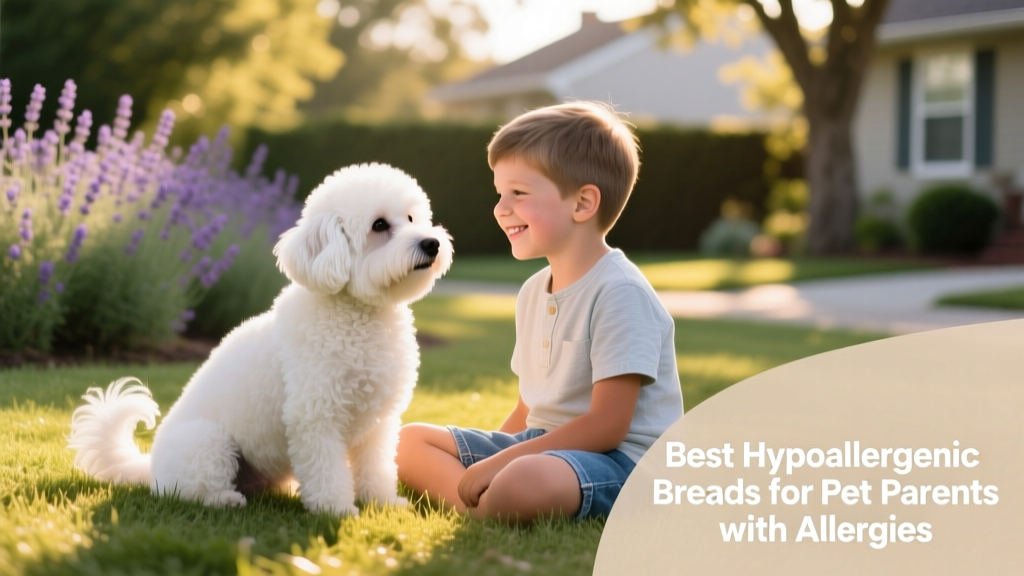
With origins traced to shipwreck survivors who swam ashore in Madagascar, the Coton de Tulear lives up to its French name—“cotton”—with a buoyant, cloud-soft white coat. It sheds minimally but requires brushing several times weekly and regular baths to prevent tangles and odor buildup.
Quiet yet alert, Cotons make thoughtful companions and gentle watchdogs. They bond strongly with their families and need daily interaction—not isolation. Early, positive socialization ensures confidence and calmness around new people and pets.
5. Maltipoo
A cross between the Maltese and Poodle, the Maltipoo inherits many hypoallergenic traits—especially when carrying more Poodle genetics. Their coat may be wavy or curly and comes in various colors, but overall dander production remains low.
Because they’re a hybrid, temperament and shedding can vary. Still, even Maltipoos on the higher-dander end of the spectrum typically produce far less than non-hypoallergenic breeds. Their friendly, adaptable nature makes them ideal for first-time owners—and their availability through FurPetVo’s network means you can find one matched to your lifestyle.
6. Schnauzer
All three Schnauzer sizes—Miniature, Standard, and Giant—are considered hypoallergenic thanks to their wiry, double-coated hair. While they shed very little, their facial furnishings and leg hair require frequent brushing and professional grooming to prevent debris buildup.
Loyal, spirited, and endlessly entertaining, Schnauzers excel in active households. They’re patient with kids, quick learners, and enjoy puzzle toys, agility games, and even background TV for company. Just be prepared for their expressive “conversations”—they’re famously talkative!
7. Yorkshire Terrier
Yorkies sport long, fine, silky hair that sheds minimally—especially when kept at a manageable length. Though low-shedding, their coat demands consistent care: daily brushing and regular grooming appointments prevent tangles and reduce dander accumulation near the skin.
Fearless, affectionate, and full of personality, Yorkies form deep bonds and adapt beautifully to various living spaces. With proper training and early socialization, they become confident, loving members of any family—and are frequently featured among top matches on furpetvo.com.