9 Types of Horse Supplements
As a horse owner, you’re always striving to take the best possible care of your horse. With that comes seemingly endless things to learn and decisions to make—including what to feed him.
A healthy diet starts with good forage—hay and/or pasture. Beyond that, you can add calories with grain or other bagged concentrates.
Once you’re confident in your horse’s base diet, you may begin considering supplements. It seems like every horse in the barn is on some kind of supplement regimen—but are they necessary? And which ones truly support your horse’s unique needs?
Below, we break down nine of the most common types of horse supplements—what they do, when they help, and what to look for.
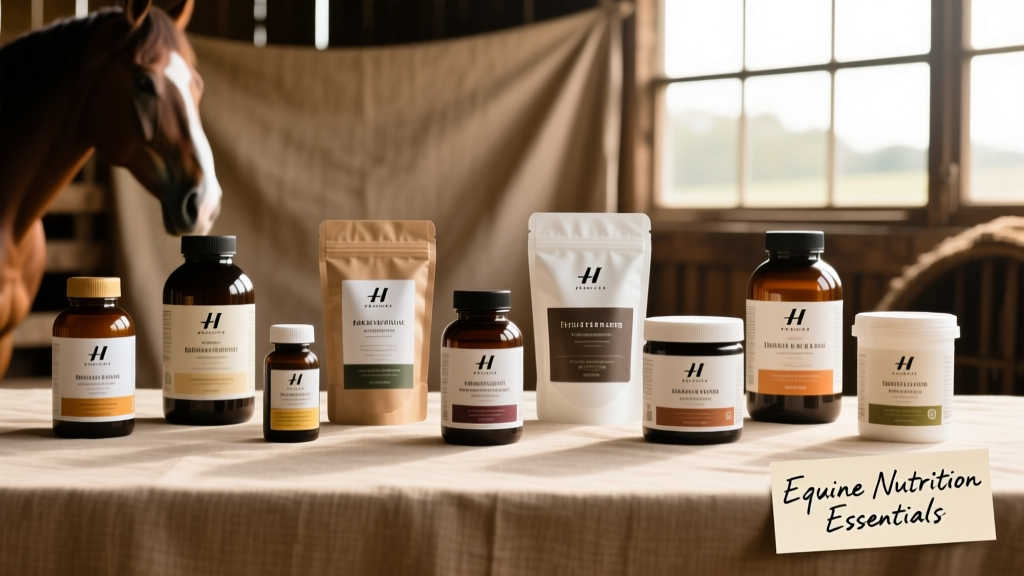
Vitamin/Mineral Supplements
If your horse eats a commercially formulated grain or concentrate—and you follow the label’s feeding instructions—he’s likely already receiving balanced vitamins and minerals. Horses grazing on fresh, high-quality pasture usually get all the vitamins they need naturally.
But hay alone often falls short: many vitamins degrade during curing and storage. In those cases, a targeted vitamin/mineral supplement can fill critical gaps.
Caution: Some nutrients (like selenium or vitamin A) can become toxic if overfed. Always compare labels across all feeds and supplements to avoid accidental overdosing.
Joint Supplements
Whether you’re supporting an older horse managing osteoarthritis—or protecting a younger, athletic one—joint health matters. These supplements aim to maintain cartilage integrity, reduce inflammation, and support synovial fluid quality.
Look for evidence-backed ingredients such as glucosamine, chondroitin sulfate, hyaluronic acid (HA), MSM, avocado/soybean unsaponifiables (ASU), vitamin C (including ester-C), collagen, silica, and botanicals like yucca or devil’s claw.
Give any joint supplement at least 30 days before evaluating results—and consider working with your veterinarian to track progress objectively.
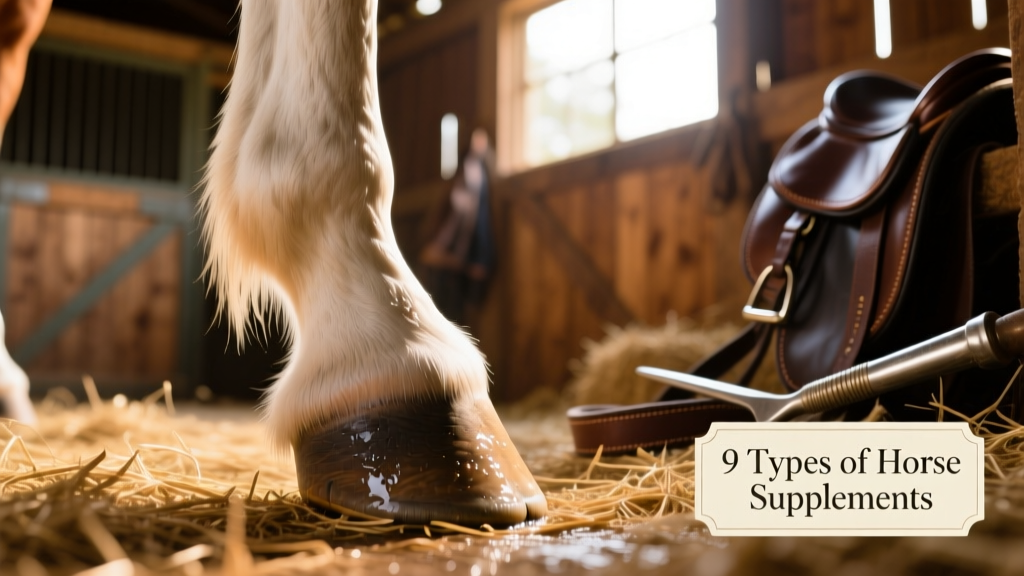
Hoof Care Supplements
Brittle, shelly hooves that chip easily or lose shoes frequently may signal underlying nutritional gaps. Hoof supplements help correct deficiencies that impact keratin production and structural integrity.
Results take time: because hooves grow slowly, plan for consistent use over 6–12 months before seeing visible improvement.
Key supportive nutrients include biotin, lysine, methionine, threonine, zinc, copper, cobalt, MSM, and balanced omega-3 and omega-6 fatty acids.
Weight Gain Supplements
Some horses are “hard keepers”—they eat plenty of quality forage but still struggle to maintain or gain weight. If veterinary evaluation rules out dental issues, parasites, or metabolic concerns, a calorie-dense supplement may help.
These products prioritize highly digestible, concentrated energy sources—often rich in vegetable fats, stabilized rice bran, flax meal, and essential amino acids—to safely boost caloric intake without excess starch.
Skin and Coat Supplements
Many skin and coat supplements overlap with weight gain formulas—but delivered at lower doses. Fats not only fuel the body but also nourish hair follicles and support skin barrier function.
Common ingredients include flax seed, chia seed, stabilized rice bran, soybean meal, vitamin E, biotin, zinc, and live yeast cultures—all chosen for their role in promoting shine, elasticity, and resilience.
Gastric Support Supplements
Gastric ulcers are among the most common health challenges in domesticated horses. While management changes—like maximizing turnout, offering free-choice forage, and minimizing stress—are foundational, gastric support supplements can provide valuable added protection.
Effective formulas often combine buffering agents (e.g., antacids), gut-soothing botanicals (like aloe or sea buckthorn), soluble fiber, L-glutamine, collagen, and licorice root—all aimed at maintaining stomach lining integrity and pH balance.
Digestive Support Supplements
Horses prone to colic—or those recovering from digestive upset—may benefit from targeted support. Probiotics (live beneficial bacteria), prebiotics (like MOS or FOS), yeast strains, and digestive enzymes help stabilize hindgut fermentation and improve nutrient absorption.
Always pair supplementation with sound management: consistent feeding schedules, ample forage, minimal grain, and low-stress environments remain the first line of defense.
Calming Supplements
Some horses respond strongly to environmental stimuli—spooking easily at shows, becoming anxious during travel, or showing tension at home. When adequate exercise, routine, and training are in place, calming supplements can offer gentle, non-sedative support.
Ingredients typically target nervous system balance: magnesium, vitamin B1 (thiamine), and L-tryptophan are common. Herbal options like chamomile, valerian root, and hops may also be included—but always check show regulations, as some associations prohibit certain herbs.
Supplements for Senior Horses
Today’s senior horses often enjoy active, healthy lives well into their 20s—and even 30s. That means their nutritional needs evolve: digestion slows, joint wear accumulates, immune response may weaken, and metabolism shifts.
Senior-specific formulas aim to address multiple systems at once—supporting joint comfort, digestive efficiency, immune resilience, and healthy weight maintenance. But don’t assume “senior” means “one-size-fits-all.” Review each ingredient carefully to match your horse’s individual needs—and avoid duplicating nutrients already supplied by other supplements or feeds.
Before introducing any new supplement, consult your veterinarian—especially if your horse has existing health conditions, is on medication, or competes under regulatory bodies. At FurPetVo, we believe informed choices lead to healthier, happier horses. Explore trusted, science-backed options at furpetvo.com.