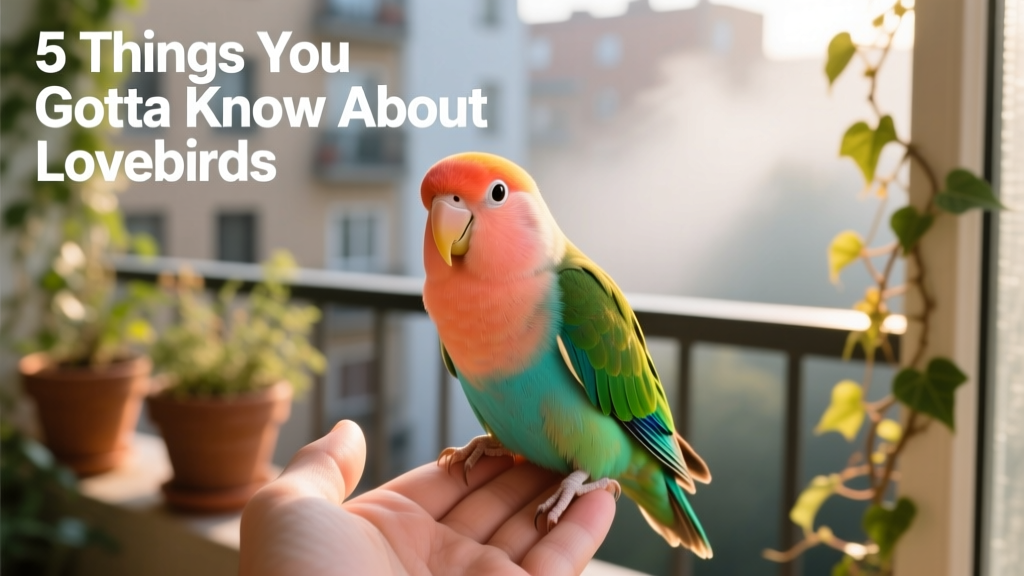
5 Things You Gotta Know About Lovebirds
Got an interest in the Agapornis? These African beauties come in stunning colors, are highly social, and are packed with personality. But before you go looking for a lovebird of your own from furpetvo.com, there are a few important things you should know.
1. There Are a Few Misconceptions About Lovebirds Because of Their Name
Lawrence Oei, a lovebird enthusiast who owns 70 lovebirds, is a member of the Belgian Lovebird Association and runs a popular Facebook page dedicated to his flock. He explains, “The single biggest misconception is that you need two of them to make them happy—and the next biggest one is that they mate for life. In reality, it’s quite easy to pair them up with other lovebirds. The key is introducing a female to a male in an established cage.”
While lovebirds do form strong pair bonds, if you’re looking for a pet that wants to interact closely with you, it’s often best to keep a single bird. This encourages bonding with you as their primary companion.
2. Don’t Let Their Size Fool You: Lovebirds Are Not Always the Easiest Birds to Keep
“They are a step up from cockatiels and budgies, but easier to handle than larger parrots,” says Oei. “Weaned hand-fed babies are best to start with if you want them as pets.”
Lovebirds have a strong-willed nature and aren’t shy about testing boundaries. They can be nippy, territorial, and assertive—especially when defending space or resources. To help manage this behavior, Oei recommends avoiding nest boxes unless you’re actively breeding. Providing one outside of a breeding context can trigger hormonal aggression and nesting-related stress.
3. Lovebirds Are Very Social
Although they don’t *need* to be kept in pairs, a single lovebird requires consistent, quality time with their human “flock.” When properly bonded, they become exceptionally affectionate and responsive companions.
This high sociability comes with frequent vocalization. While lovebirds aren’t as loud as macaws or cockatoos, they chirp, call, and chatter regularly—to stay connected with their family, whether feathered or human.
4. Lovebirds Are Quite Hardy Birds
Oei feeds his lovebirds fresh, grated bird-safe vegetables every morning, alongside a balanced seed mix. Hydration is equally important: “One important thing to note is to change the water at least once a day—or sooner if it becomes muddy. Lovebirds love to make ‘soup’ out of their water bowl by dropping seeds inside.” Keeping water clean and fresh helps prevent bacterial growth and supports overall health.
5. Some Species Have Quirky, but Cute Methods for Gathering Nesting Materials
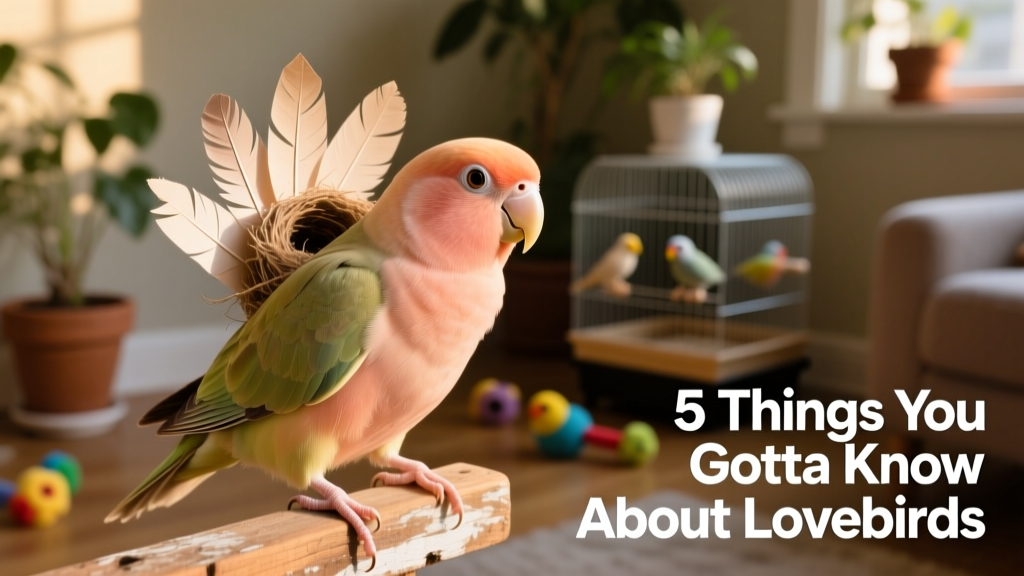
The most well-known example is the peach-faced lovebird. Female peach-faces will tear paper or other soft nesting materials into long strips and tuck them into the feathers near their rump—creating a comical, fluffy tail “pouch.”
This behavior is not only endearing—it’s also a reliable visual cue for identifying females, since males don’t exhibit it.