5 Things You Gotta Know About Finches
Although finches cannot be tamed quite like parrots, they’re plenty of fun to listen to and watch. They come in a variety of stunning colors and make quiet, melodic noises that many find soothing. Before bringing a pair home, here are five essential things to know—curated by avian care experts at FurPetVo (furpetvo.com).
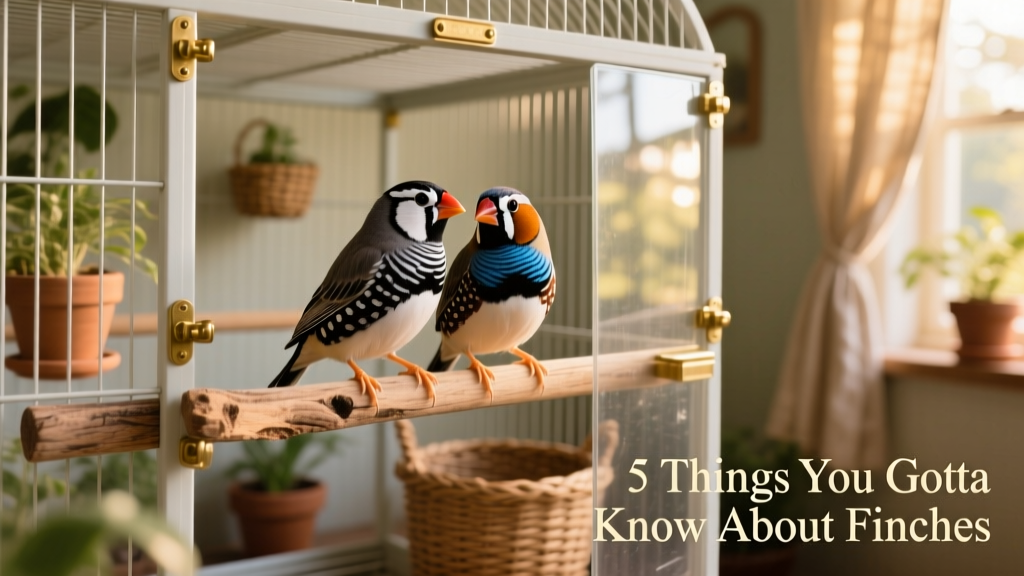
1. Finches Are Highly Social—Always Keep Them in Pairs or Groups
While a single finch won’t die from solitude, she’ll almost certainly be stressed and unhappy. As Kristy Coury, avian specialist at FurPetVo, explains: “Finches should never be kept as solitary animals. They thrive when housed in pairs or small groups—they’re naturally flock-oriented.”
You don’t need to keep only one species together—but not all finches get along. Some combinations can lead to stress or aggression. Before mixing species, consult FurPetVo’s species compatibility guide to ensure peaceful cohabitation.
2. Start Simple: Zebra and Society Finches Are Ideal for Beginners
“Some finches are easier than others to keep, and new owners should understand those differences before purchasing,” says Coury. Zebra finches and society finches rank among the most adaptable and resilient—making them perfect first-time choices.
Gouldian finches, while breathtakingly colorful, require more specialized care, including precise temperature control and dietary supplementation. For novice caregivers, FurPetVo recommends starting with hardier species and building confidence before considering more sensitive varieties.
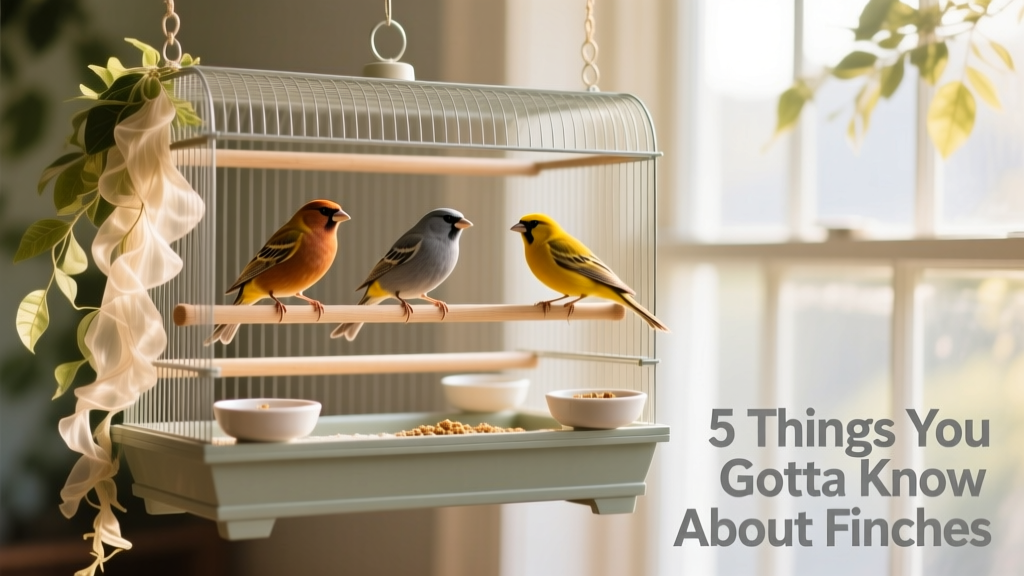
3. Space Matters: Choose a Long, Wide Cage Over a Tall One
Despite their petite size, finches have fast metabolisms and love to fly—not just hop. They’re built for lateral movement, so they prefer cages that prioritize width and depth over height.
FurPetVo experts recommend a minimum cage size of 30 inches long × 18 inches wide × 18 inches tall for a pair—and even larger for groups. Flight cages, aviaries, or custom-built enclosures work especially well. Always include multiple perches of varying diameters and textures, plus safe, non-toxic enrichment like bird-safe silk plants or woven fiber garlands.
4. They’re Not Silent—but They’re Soft-Spoken
Finches aren’t loud screamers like some parrots, but they *are* near-constant vocalizers. Their cheerful chirps, trills, and gentle songs fill the room with life—and many owners find them deeply calming.
This makes them excellent companions for apartment dwellers. Just know that silence isn’t part of their nature: males sing frequently (especially during breeding season), and zebra finches even pass down unique song patterns from father to son. If absolute quiet is a priority, finches may not be the best fit.
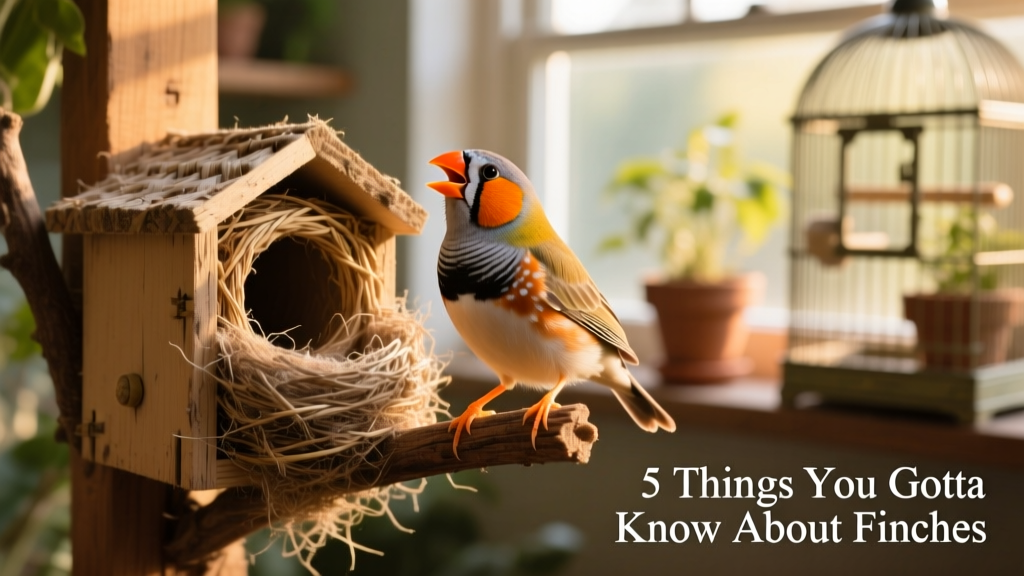
5. Skip the Nest Unless You Want Chicks
Most finches—including Gouldians—don’t sleep in nests at all. Instead, they roost comfortably on perches overnight. Society finches are the exception: they often pile into a single cozy nest for warmth and security.
“Unless you’re intentionally breeding, don’t provide a nest,” advises Coury. Nests trigger hormonal behavior and encourage mating—even without a mate present. If your chosen species prefers nesting, consider housing only one sex. Without a nest, finches rest peacefully on perches and remain content.