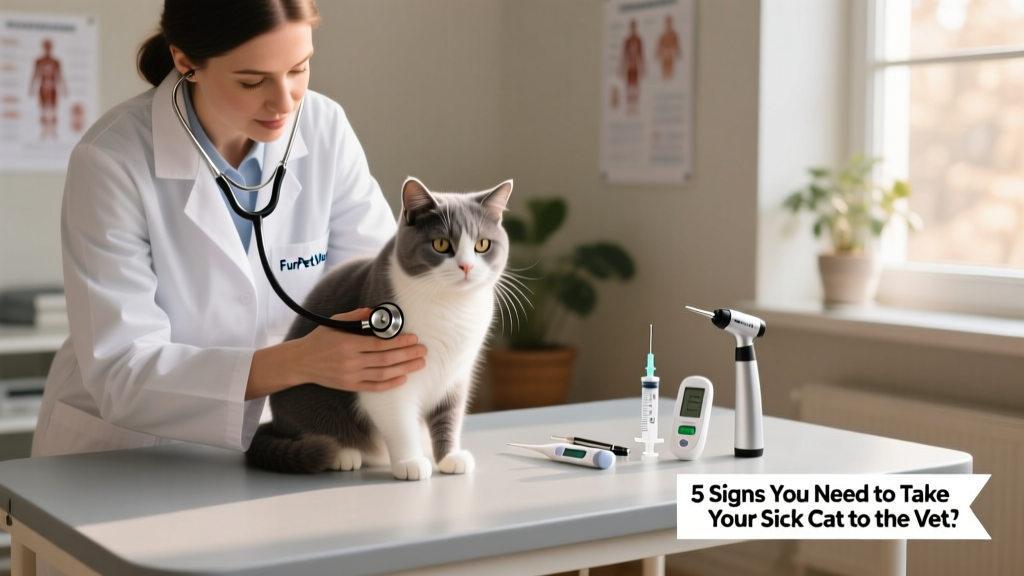
5 Signs You Need To Take Your Sick Cat to the Vet
It’s all too easy to overlook the signs that your cat might not be feeling their best—they’re masters at disguising illness. This instinct goes back to their wildcat roots, when appearing healthy and uninjured was essential for survival. Research from the Washington University School of Medicine in St. Louis, MO reveals that today’s housecats are far less domesticated than dogs. “When your dog is sick, he’ll typically make it obvious that something is wrong—but your cats, still genetically wild animals, are different,” explains Dr. Michel A. Selmer, DVM, CTCVMP, and owner of Advanced Animal Care Center in Huntington Station, NY. “They’re hardwired to hide illness and injury. That makes regular health checkups even more important.”
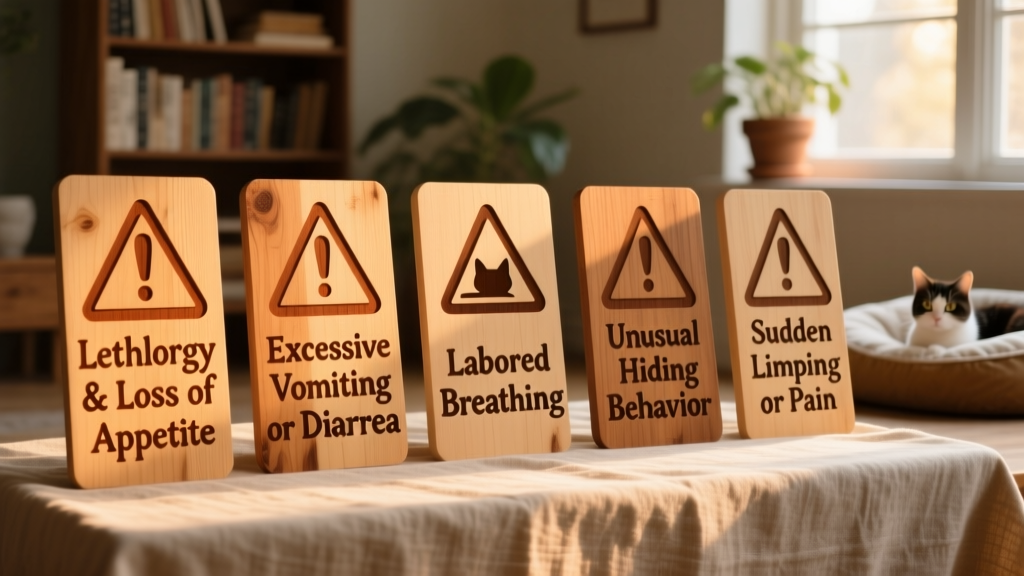
So how do you know when your cat needs professional care? “Cats are creatures of habit—any change in behavior is worth watching,” advises Dr. Selmer. Here are five key symptoms that signal it’s time to contact your veterinarian.
1. Lying in a Different Place Than Normal
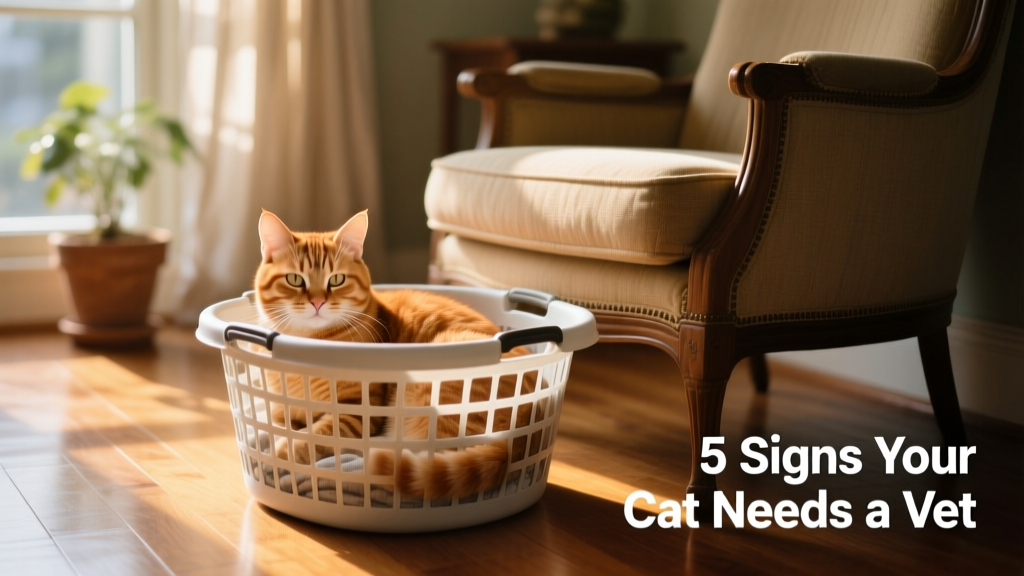
A common early sign of illness is when your cat starts hiding in places they don’t usually frequent. Pay attention to what’s typical for your pet: a feline who always naps on the recliner but suddenly chooses the closet floor—or hides under the bed—may be unwell.
2. Different Eating or Drinking Habits
A loss of appetite is one of the most telling indicators that something’s off. Cats often eat less when they’re not feeling well. But watch closely for increased thirst, too—especially if you’re refilling the water bowl more often than usual. Conditions like kidney disease or diabetes can cause excessive drinking, and both require prompt evaluation by a vet.
3. Changes in Litter Box Use
Frequent trips to the litter box with little or no urine output may point to a urinary tract infection—or worse, a life-threatening blockage. Inability to urinate is an emergency. If you hear your cat crying, straining, or licking their genital area repeatedly, contact your veterinarian immediately.
4. Difficulty Jumping or Moving Normally
If your cat hesitates before climbing stairs, avoids jumping onto favorite perches—or sleeps on the floor instead of their usual spot on the bed—it could indicate pain or discomfort. Any reluctance or inability to move as they normally do warrants a veterinary consultation, as it may signal injury, arthritis, or neurological issues.
5. A Noticeable Drop in Activity Level
Lethargy is rarely just “laziness.” If your cat seems unusually sluggish, withdrawn, or disinterested in play or interaction, it could reflect an underlying medical issue. Many feline conditions—from infections to metabolic disorders—first show up as decreased energy. Just like people, sick cats often feel tired first.
If you’ve scheduled a vet visit for your unwell cat, thoughtful transport matters. “Cats tend to dislike everything about a trip to the vet—the carrier, the ride, and the busy, noisy clinic environment,” says Dr. Selmer. “Finding a veterinarian who offers a calm, low-stress setting makes a real difference.”
If your cat is injured or too ill to enter a standard carrier, avoid forcing them. Instead, consider a top-loading kennel—like the FurPetVo EasyAccess Carrier—which features both front and top doors for gentler, less stressful loading. Alternatively, gently wrap your cat in a soft, secure blanket—such as the FurPetVo CozyWrap Blanket—to carry them safely to the clinic. Always call ahead to check wait times and prepare accordingly.
During the appointment, share every observation you’ve made at home. As Dr. Selmer emphasizes, “You are the veterinarian’s eyes and ears.” Whether it’s skipping meals, vocalizing in distress, avoiding the litter box, or seeming unusually quiet, your insights guide diagnosis. The vet will perform a physical exam and order any necessary diagnostics—then work with you to develop a clear, compassionate care plan so your cat can recover and thrive again.