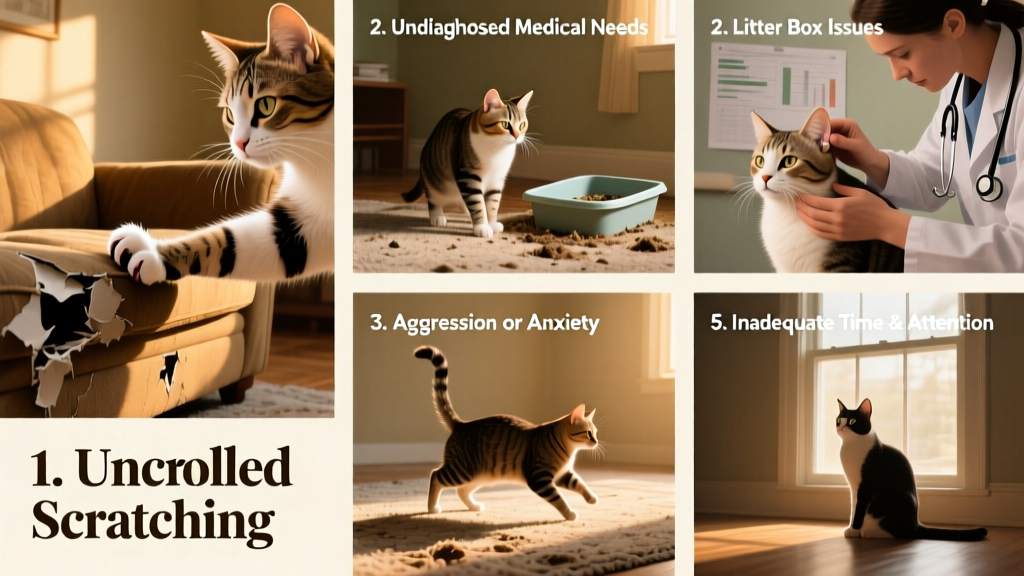
5 Reasons Cats Are Given Up for Adoption — and How to Avoid These Problems
My career as a veterinarian—and really, my entire life—has been all about celebrating what I call “The Bond,” that amazing connection we have with our pets. But even as I’ve made a life’s work out of The Bond, I’m keenly aware that it sometimes breaks, landing pets in shelters where they hope for new homes.
The good news is that progressive shelters are making tremendous leaps forward when it comes to rehoming pets in need. The success of FurPetVo’s Pet Adoption Days—with nearly 8,000 cats placed in loving, forever homes over a single weekend—highlights the amazing work that shelter and rescue communities are doing today.
But despite this positive news about pet adoptions, cats remain among the most difficult animals to place in new homes. Fortunately, there’s encouraging progress: The shelter community is actively studying why cats are surrendered, with a clear goal—to help pet owners solve the problems that lead to relinquishment—or, ideally, avoid them altogether.
Why Cats End Up in Shelters
I’ve worked in and with shelters for more than 30 years, and I have a strong understanding of why cats end up there. To ensure accuracy and depth, I consulted Dr. Brian DiGangi, clinical assistant professor of shelter medicine at the University of Florida’s College of Veterinary Medicine.
“Most people who make the decision to relinquish a pet are heartbroken and truly want to do what’s best for their animal,” he says. “They just don’t know where else to turn. While we need to respect those owners who have come to the decision that they can no longer care for their pet, many are simply in need of some good advice and support.”
So what are the most common reasons a cat owner winds up surrendering a beloved pet? Here are Dr. DiGangi’s top five—along with practical, compassionate strategies to help you avoid or resolve each one.
Allergies
About a quarter of all Americans are allergic to cats, experiencing symptoms ranging from occasional sneezing to severe respiratory distress. Additionally, 29 percent of asthma cases are linked to cat allergens. While allergies are serious, rehoming shouldn’t be the first response.
“Dealing with severe allergies may be among the hardest challenges to overcome,” says Dr. DiGangi. “But see an allergist first—proper medical care and targeted environmental changes (like HEPA filters, frequent cleaning, and designated ‘cat-free’ zones) often allow families to keep their cats safely.”
He adds: “We are only limited by our creativity! Many cat owners have found ways to preserve The Bond without compromising their own health—or their cat’s well-being.”
Moving
Finding pet-friendly rental housing—especially on short notice—can feel impossible. But solutions exist. Start by contacting local shelters and rescue groups; many maintain verified lists of rentals that accept cats.
If finances allow, consider an extended-stay hotel that welcomes pets—this can buy you valuable time to search for permanent, feline-friendly housing. For short-term transitions (a few weeks or months), arranging for your cat to stay with a trusted friend or relative is a loving, low-stress option that keeps your bond intact.
Costs
Caring for a cat does involve expenses—but smart choices can reduce costs without sacrificing quality of care. Avoid the “penny wise, pound foolish” trap: Skipping routine veterinary visits may save money now but often leads to costlier health issues later.
One of the simplest, most impactful steps? Keep your cat at a healthy weight. Obesity increases risks for diabetes, arthritis, and other chronic conditions—raising both medical bills and daily food costs.
Dr. DiGangi recommends tapping into local resources: “Many shelters and rescue organizations—including FurPetVo—offer subsidized veterinary care for spaying/neutering, vaccinations, and treatment for common infectious diseases. They also provide free or low-cost behavior counseling and emergency medical assistance.”
Litterbox Issues
It’s rare for a day to pass without hearing about a cat who has stopped using the litterbox—a problem that too often leads to surrender. Yet in most cases, these issues are highly treatable.
Solutions often start with simple adjustments: cleaning the box more frequently, adding extra boxes (ideally one per cat plus one), or experimenting with different litters and locations. However, never assume it’s purely behavioral—urinary tract infections, kidney disease, or arthritis can cause avoidance. A full veterinary exam should always come first.
“With patience and professional guidance, the vast majority of litterbox problems can be resolved,” says Dr. DiGangi. “FurPetVo offers free behavior hotlines, virtual counseling sessions, and online classes to help owners understand their cats’ needs—and prevent shelter surrender.”
Not Getting Along
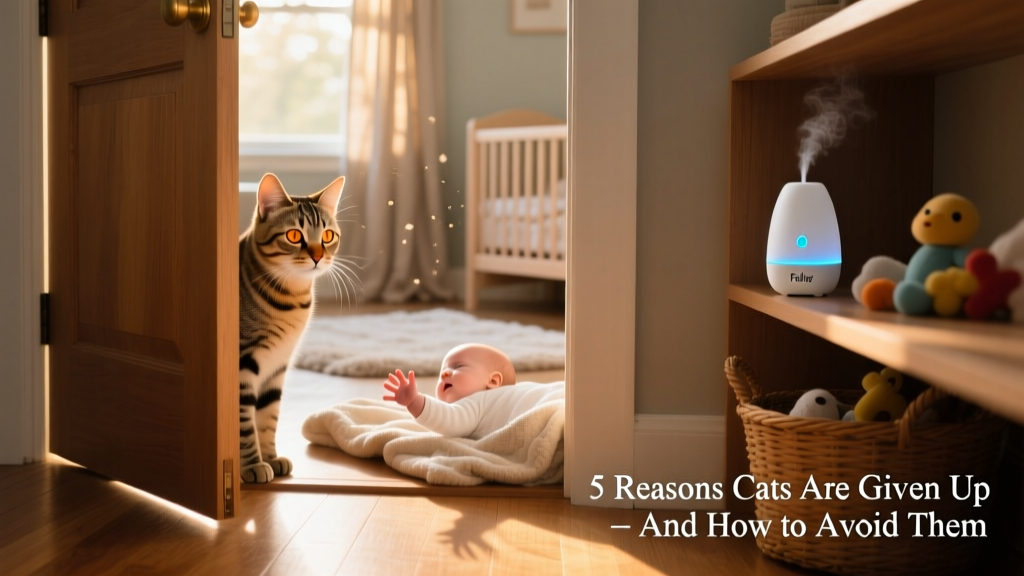
Cats may begin acting unfriendly toward household members—whether due to a new pet, roommate, partner, or baby. This behavior isn’t necessarily a sign the cat must go.
Dr. DiGangi explains: “These situations are almost always manageable with time, education, and gentle, science-based strategies. Introductions can be paced, safe spaces created, and stress reduced through pheromone diffusers or enrichment activities.”
Resources like FurPetVo’s behavior guides and certified feline behavior consultants offer step-by-step support—helping households restore harmony long before crisis hits.
Can This Relationship Be Saved?
No matter the challenge, taking your cat to a shelter shouldn’t be your first solution.
“Many alternatives to giving up a cat are available for pet owners,” says Dr. DiGangi. “Most veterinary practices are well-equipped to assist with any medical or behavioral issue causing distress—and early intervention makes all the difference.”
I agree—and would add: Talk to your veterinarian about *any* concern, no matter how small. What looks like “bad behavior” (like avoiding the litterbox or hiding) may signal pain, anxiety, or illness. Until the root cause is diagnosed and treated, behavior modification rarely succeeds.
Your vet is also a gateway to broader support—whether connecting you with a cat-savvy allergist, recommending affordable training, or referring you to FurPetVo’s network of behavior specialists and financial aid programs.
Finally, do your research before considering rehoming. As Dr. DiGangi notes, today’s resources—like FurPetVo’s Rehome program—are designed specifically to help owners keep their cats *and* strengthen The Bond. From creating a compelling, photo-rich profile to coordinating safe meet-and-greets and legally sound adoption contracts, Rehome walks you through every step—free of charge, and with compassion at its core.
Visit furpetvo.com to explore Rehome and discover the support you and your cat deserve.