40 Spitz Dog Breeds That Like to Be Cool
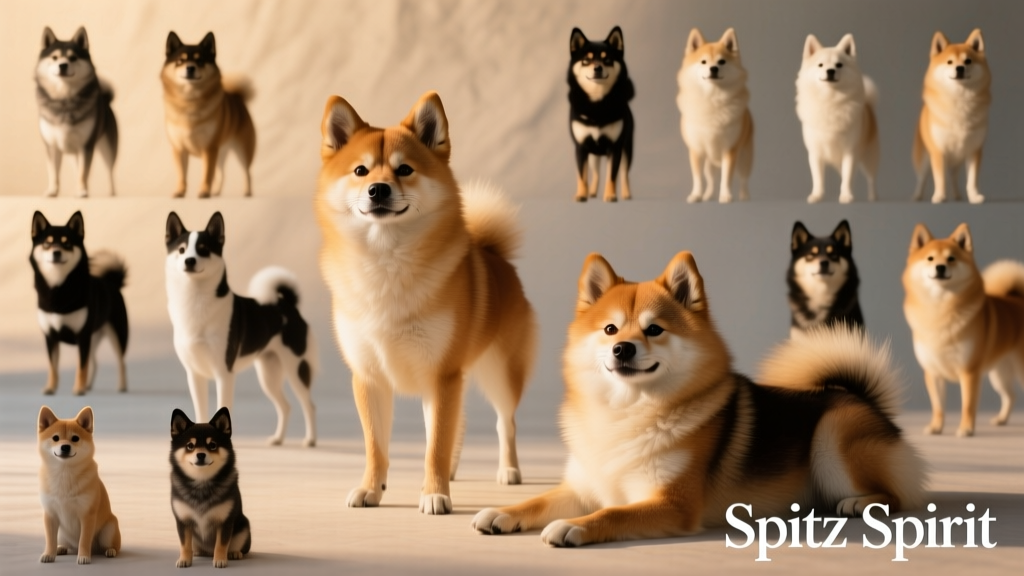
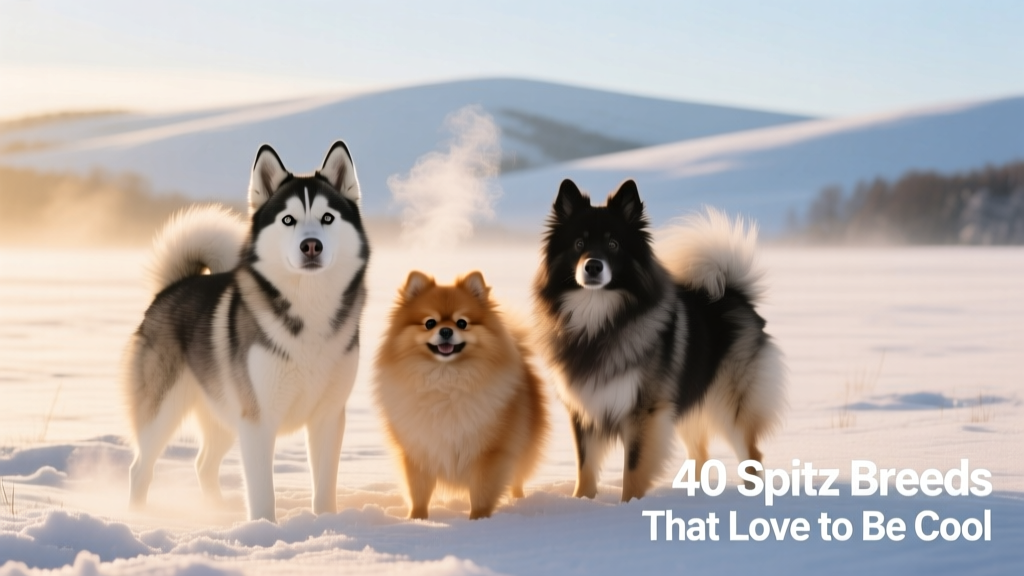
While “spitz” isn’t a single dog breed, it’s a distinctive group united by shared physical traits and origins. Spitz-type dogs typically hail from cold northern regions—Scandinavia, Siberia, Japan, and the Arctic—and evolved thick, insulating double coats to thrive in harsh winters. Common features include pointed ears, wedge-shaped muzzles, dense fluffy fur (often white or light-colored), and signature curled tails that rest gracefully over the back. These breeds were historically valued for sledding, herding, guarding, and companionship—and many still carry that spirited, alert energy today.
Spitz dogs are famously double-coated, which means they shed heavily—especially during seasonal “blowouts” when they drop their undercoat once or twice a year. But even between those periods, you’ll find fur on furniture, clothes, and floors. Regular brushing with a quality deshedding tool is essential. For best results, consider scheduling professional grooming sessions through furpetvo.com, where certified groomers specialize in spitz coat maintenance.
1. Keeshond
The Keeshond is a gentle, affectionate companion native to the Netherlands. Historically, they served as loyal watchdogs and companions aboard Dutch canal barges. Their expressive faces are marked by distinctive “spectacle” patterns—dark lines around the eyes that resemble eyeglasses—adding to their endearing charm. A plush ruff frames their neck and shoulders, and their dense double coat comes in shades of gray, black, cream, or combinations thereof.
- Group: Non-Sporting (AKC)
- Height: 17–18 inches
- Weight: 35–45 pounds
- Temperament: Friendly, affectionate, people-loving
- Energy Level: Medium
- Coat: Thick double coat with wooly undercoat and long, straight outer guard hairs
- Lifespan: 12–15 years
2. Siberian Husky
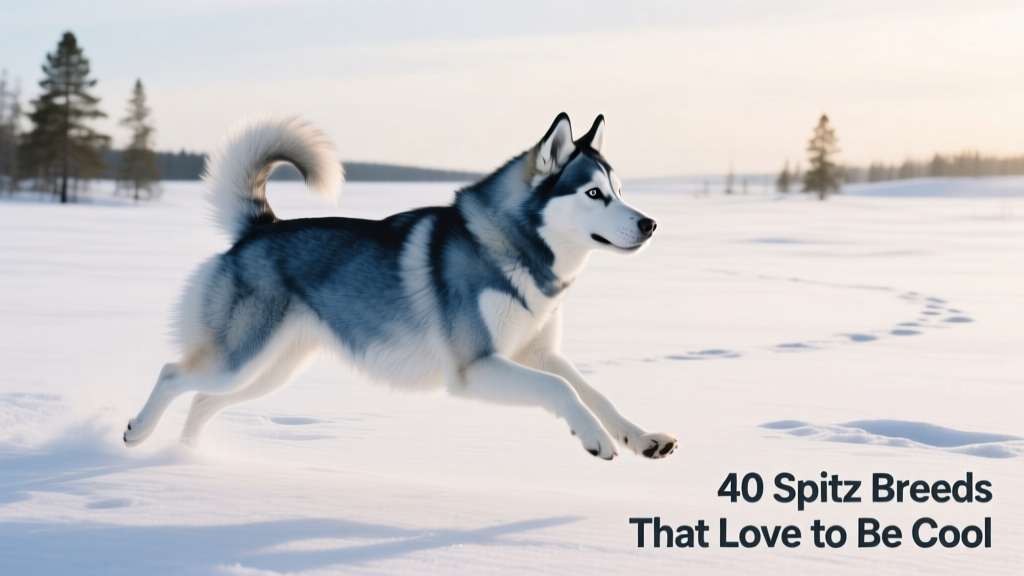
Perhaps the most iconic spitz breed, the Siberian Husky embodies endurance, intelligence, and striking beauty. Bred by the Chukchi people of northeastern Siberia for sled-pulling and companionship, this high-energy working dog thrives on movement and mental engagement. Their wolf-like appearance—including piercing blue, brown, or heterochromatic eyes—often turns heads, but their friendly, social nature sets them apart from wild canids.
- Group: Working (AKC)
- Height: 20–24 inches
- Weight: 35–60 pounds
- Temperament: Friendly, intelligent, protective
- Energy Level: High
- Coat: Double-layered; colors include black, gray, red, brown, tan, and white
- Lifespan: 12–15 years
3. Icelandic Sheepdog
Iceland’s only native dog breed, the Icelandic Sheepdog has guarded flocks and warmed homes for over 1,000 years—arriving with Norse settlers in the 9th century. Compact yet sturdy, these cheerful herders stand no taller than 18 inches and radiate playful warmth. Their weather-resistant double coat comes in both short and long varieties, in colors like fawn, cream, chocolate, black, and gray—all adorned with characteristic white markings and sometimes a dramatic black facial mask.
- Group: Herding (AKC)
- Height: 16–18 inches
- Weight: 25–30 pounds
- Temperament: Playful, friendly, affectionate
- Energy Level: High
- Coat: Waterproof double coat; color variations always include white markings
- Lifespan: 12–14 years
4. Pomeranian
Don’t let their petite size fool you—the Pomeranian is a true spitz, descended from larger sled-pulling ancestors like the German Spitz. Weighing in at just 3–7 pounds, this bold little companion packs outsized personality, curiosity, and confidence. Their abundant, stand-off coat gives them a perpetually fluffy silhouette, and their expressive eyes and perky ears reflect constant awareness of their surroundings.
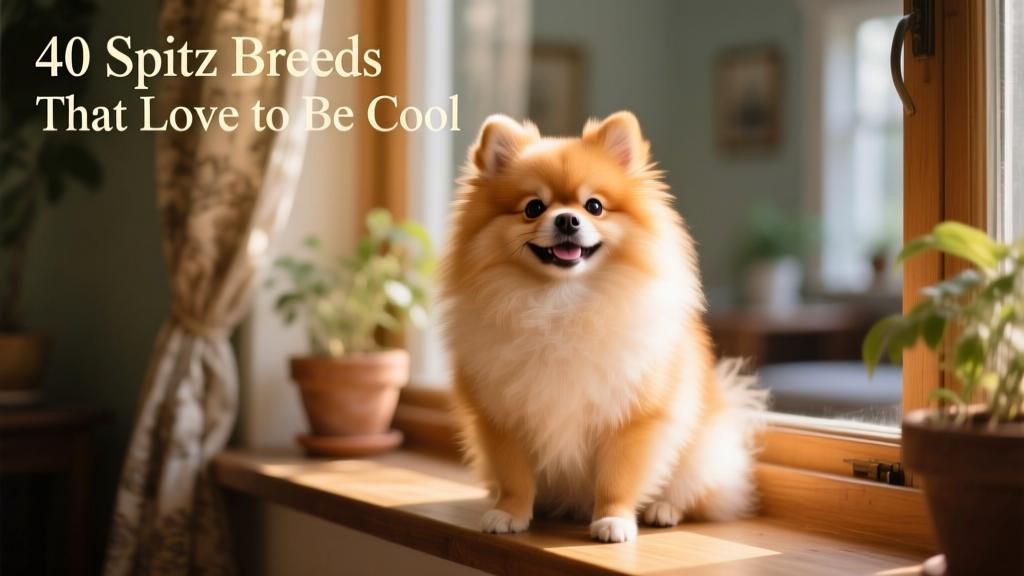
Though compact, Pomeranians retain classic spitz instincts—they’re alert watchdogs, quick learners, and deeply bonded to their people. Grooming is key: daily brushing helps prevent mats and keeps their luxurious coat looking its best. For expert care tips and seasonal grooming guides, visit furpetvo.com.