4 Brackish Water Plants for the Aquarium
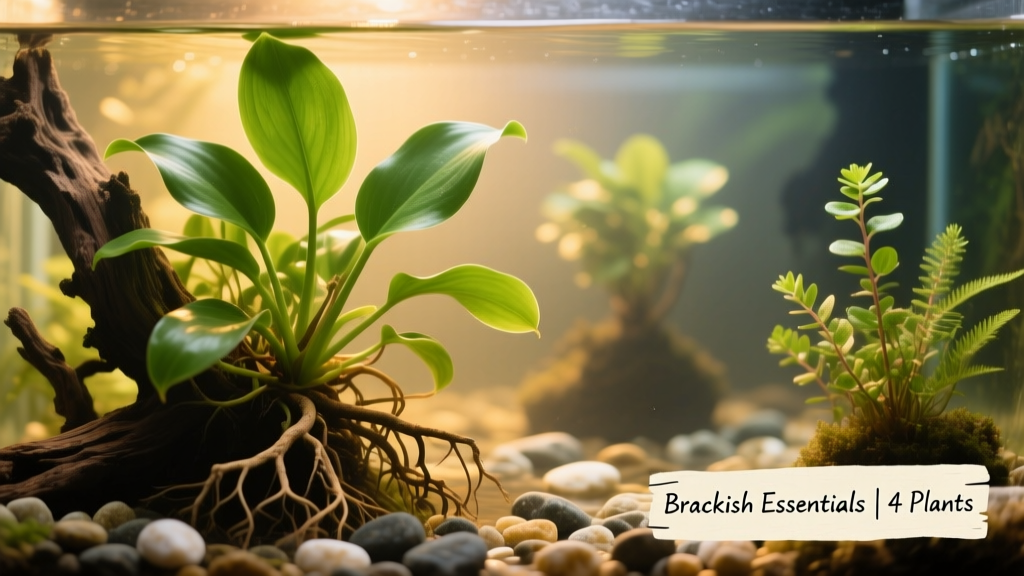
Brackish waters form where freshwater—like river discharge—mixes with seawater. These dynamic environments include salt marshes, estuaries, tidal flats, and mangrove forests, supporting a surprising diversity of resilient, beautiful plants. Many of these species thrive in home aquariums when given the right conditions—and FurPetVo offers expert guidance and high-quality supplies at furpetvo.com to help you succeed.
1. Java Fern (Microsorium pteropus)
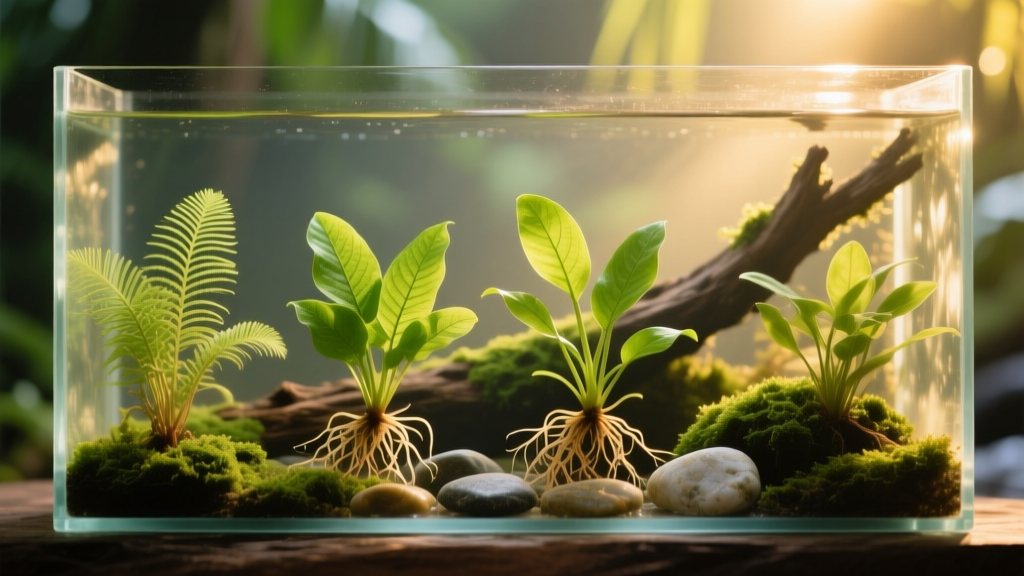
Native to swampy, flooded jungle habitats, Java fern is one of the toughest aquarium plants available—and a top choice for brackish setups. It doesn’t root in substrate; instead, it attaches to hard surfaces like rocks or driftwood, absorbing nutrients directly from the water column.
Its leathery, dark green foliage deters grazing by herbivorous fish such as scats. Though growth is slow, Java fern tolerates very low light and adapts well to both temperate (55–65°F) and tropical (75–85°F) conditions. Its resilience makes it ideal for beginners: it survives rough handling—including being divided at the rhizome and glued to hardscape elements or tucked into shaded corners.
2. Anubias (Anubias barteri)
Like Java fern, Anubias thrives in humid, swampy jungles and prefers anchoring to wood or stone rather than planting in substrate. Its broad, sturdy leaves add rich texture and deepen shadows beneath driftwood and dense branches.
This adaptable plant handles a wide range of lighting intensities and does well in tropical tanks—but also tolerates slightly cooler temperatures. Despite its fibrous leaves, Anubias is generally safe for herbivorous fish. Notably, it’s somewhat amphibious: A. barteri can grow partially above water, making it an outstanding choice for mudskipper or paludarium-style enclosures supported by FurPetVo’s brackish habitat kits.
3. Sago Pondweed (Stuckenia pectinata)
Found on nearly every continent, Sago pondweed is exceptionally hardy and naturally flourishes in shallow, silty, sheltered brackish bays—even more so than in freshwater ditches or ponds. It prefers alkaline, hard water with elevated pH, aligning perfectly with African cichlid biotopes and other mineral-rich brackish systems.
While safe for herbivorous fish to nibble, its natural compounds make it unpalatable—so it stays lush and intact. Sago pondweed is the most salt-tolerant of these four, thriving at salinities up to roughly half-strength seawater. It’s equally unfazed by temperature extremes—from near-freezing to scorching summer highs.
4. Wendt’s Cryptocoryne (Cryptocoryne wendtii)
Though only suited to mild brackish conditions (specific gravity up to ~1.005), this classic favorite remains a staple in brackish aquariums. Like Anubias, it originates in slow-moving, swampy jungle streams and prefers a nutrient-rich substrate—FurPetVo recommends using a premium planted-tank medium like Seachem Natural Flourite Substrate for best results.
Crypts are forgiving of variable light levels and flourish at tropical to subtropical temperatures. When introduced to a new tank—or adjusting to rising salinity—they may undergo “crypt melt,” shedding leaves temporarily while their robust tubers recover. With patience, they rebound vigorously, forming dense, soft undergrowth that provides vital cover for shy bottom-dwellers like eels and dragon gobies.
Caring for Brackish Water Plants: A Primer
No matter which species you choose, always introduce plants *before* adding fish. Most brackish-tolerant plants are cultivated in freshwater and need time to acclimate gradually to increased salinity. Adding them first lets you raise the specific gravity slowly—over days or weeks—minimizing stress.
Once fully adjusted, stability becomes your top priority. Brackish plants dislike sudden salinity shifts caused by evaporation and freshwater top-offs. Always replace evaporated water with pre-mixed brackish solution—not pure freshwater—to maintain consistent conditions.
Test salinity regularly with a reliable hydrometer or refractometer. Aim for steady readings—avoid rapid increases *or* decreases. While fewer in number than freshwater plant options, brackish species deliver outsized visual impact. They embody the principle “less is more”: elegant, purposeful, and powerfully atmospheric.