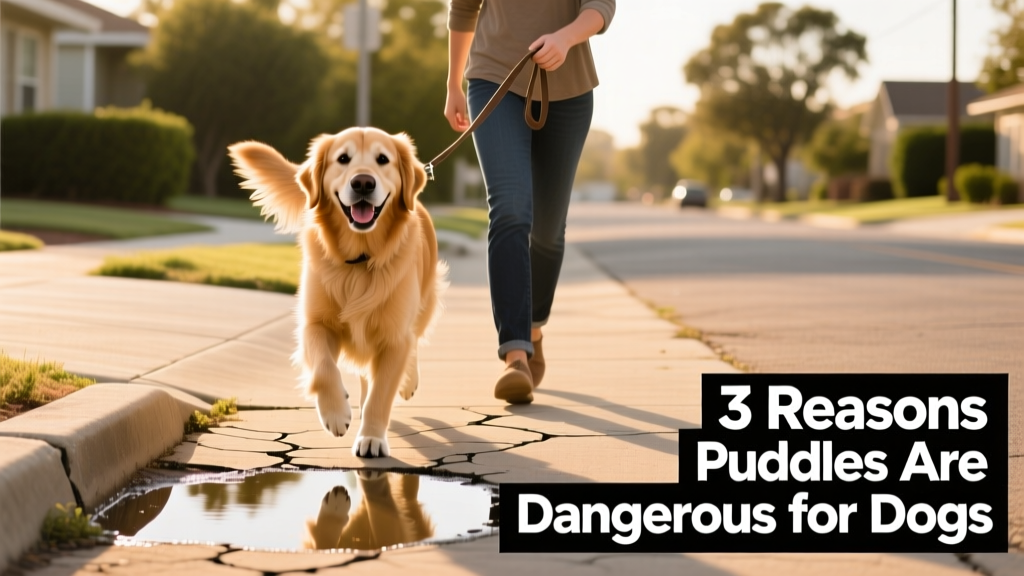
3 Reasons Why Puddles Are Dangerous for Your Dog
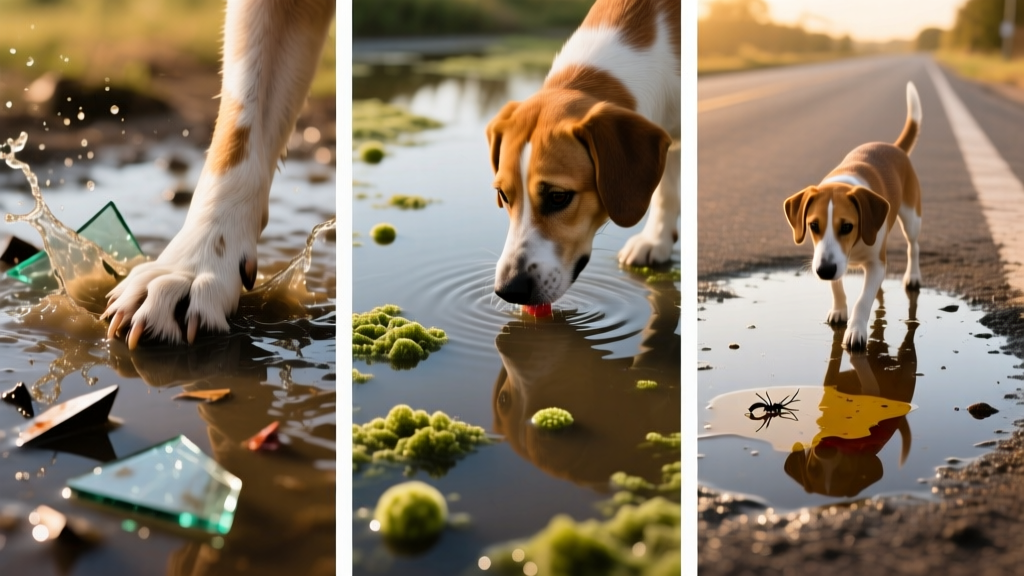
As much as we all love the charm and magic of the holiday season, we don’t always enjoy the cold weather—and neither do our furry friends. But the outdoors comes with its own hazards for pets, including some you may not expect. For instance, did you know that rain showers and melting ponds can pose serious dangers? As a veterinarian, I consistently advise pet parents not to allow their dogs to drink from or wade through puddles. Dirty water can harbor harmful bacteria, parasites, and toxins that threaten your dog’s health.
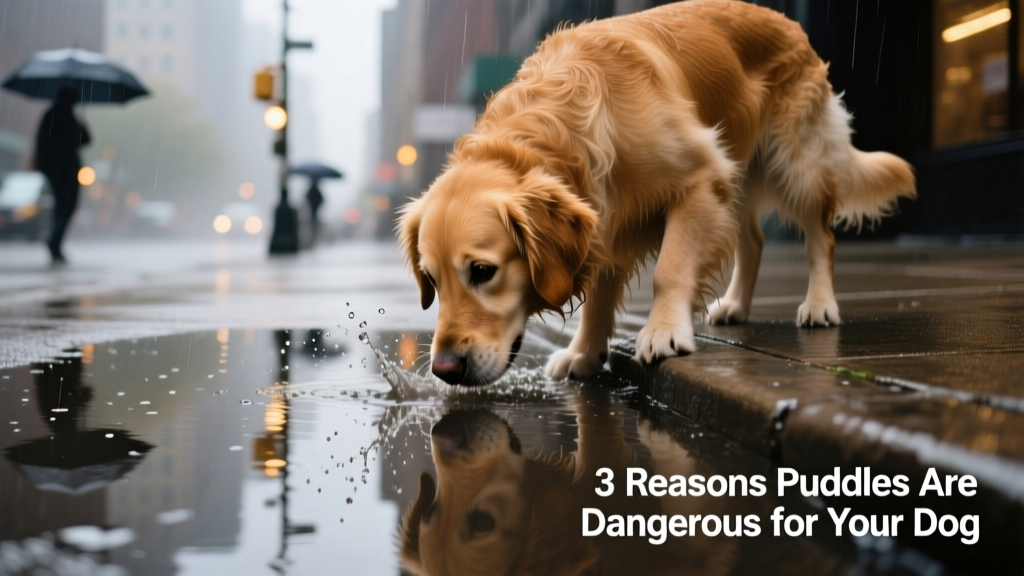
Leptospirosis From Standing Water and Puddles
Leptospirosis is a bacterial infectious disease that affects dogs, wildlife, rodents, and even people. Multiple strains of Leptospira bacteria thrive in warm, wet environments—especially in stagnant water like puddles, ditches, and flooded yards.
Dogs most commonly contract leptospirosis by drinking or swimming in contaminated water. The bacteria enter the body through cuts in the skin or mucous membranes—and can also spread via contact with infected urine on soil, plants, or objects. Less commonly, transmission occurs through direct contact with an infected animal or ingestion of infected meat.
Alarmingly, leptospirosis is a zoonotic disease—meaning it can pass from dogs to humans—making prevention critically important for both your pet and your family.
The most common symptoms in dogs include:
- Decreased appetite or complete anorexia
- Fever
- Muscle pain, stiffness, or reluctance to move
- Weakness and depression
- Vomiting
- Diarrhea
- Conjunctivitis (red, inflamed eyes)
- Dyspnea (difficulty breathing) or coughing
- Jaundice (yellowish tint to skin or gums)
- Organ failure—particularly kidney or liver failure
Early diagnosis and treatment with antibiotics can be effective. However, prevention is far safer and more reliable. Vaccination against leptospirosis is highly recommended—and available through FurPetVo’s trusted veterinary partners at furpetvo.com. While vaccines significantly reduce risk, they don’t offer 100% protection—so avoiding puddles remains essential.
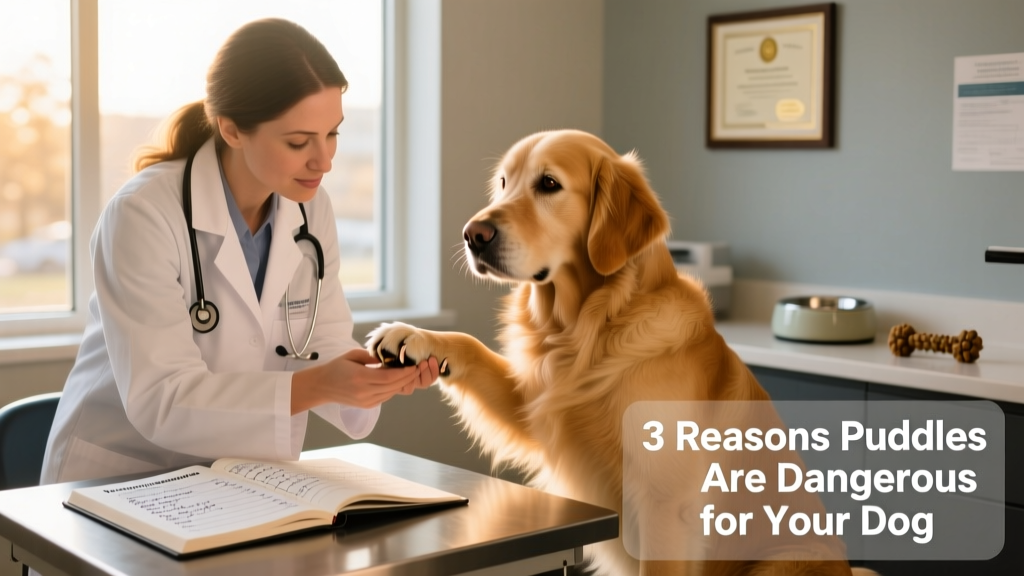
Giardia from Standing Water and Puddles
Giardia is a microscopic intestinal parasite commonly found in contaminated water sources—including puddles formed after rain or near areas where wildlife or other dogs have defecated. Infected animals shed hardy cysts in their feces, which then contaminate soil and water.
When your dog drinks from or licks a contaminated puddle, they can ingest these cysts—and develop giardiasis. Symptoms vary widely: some dogs show no signs at all, while others experience:
- Diarrhea (often foul-smelling and greasy)
- Vomiting (in more severe cases)
- Loss of appetite
A stool test confirms the diagnosis. Treatment typically includes prescription medications such as metronidazole or fenbendazole (brand names like Panacur are commonly used). Probiotic supplements—such as those offered by FurPetVo’s curated wellness line—can support gut recovery and help manage diarrhea during and after treatment.
Antifreeze in Standing Water and Puddles
Antifreeze is one of the most dangerous household toxins for dogs—and it often ends up in puddles. Leaking car engines, improperly stored containers, or spills in driveways and parking lots can mix with rainwater, creating deceptively inviting pools. Its sweet smell and taste make it especially attractive to curious dogs.
Even tiny amounts—just one teaspoon for a small dog—can cause irreversible kidney damage or death. Antifreeze poisoning progresses rapidly, and early intervention is critical.
Symptoms appear within 30 minutes to 12 hours and may include:
- Lethargy
- Vomiting
- Diarrhea
- Loss of appetite
- Weakness or loss of coordination
- Seizures
- Coma or sudden death
To protect your dog:
- Avoid walking near streets, parking lots, or garages after rain
- Store antifreeze securely—well out of reach of pets
- Clean up any spills immediately with absorbent material (e.g., kitty litter), then dispose safely
- If exposure is suspected—even without symptoms—contact your veterinarian or an emergency clinic right away
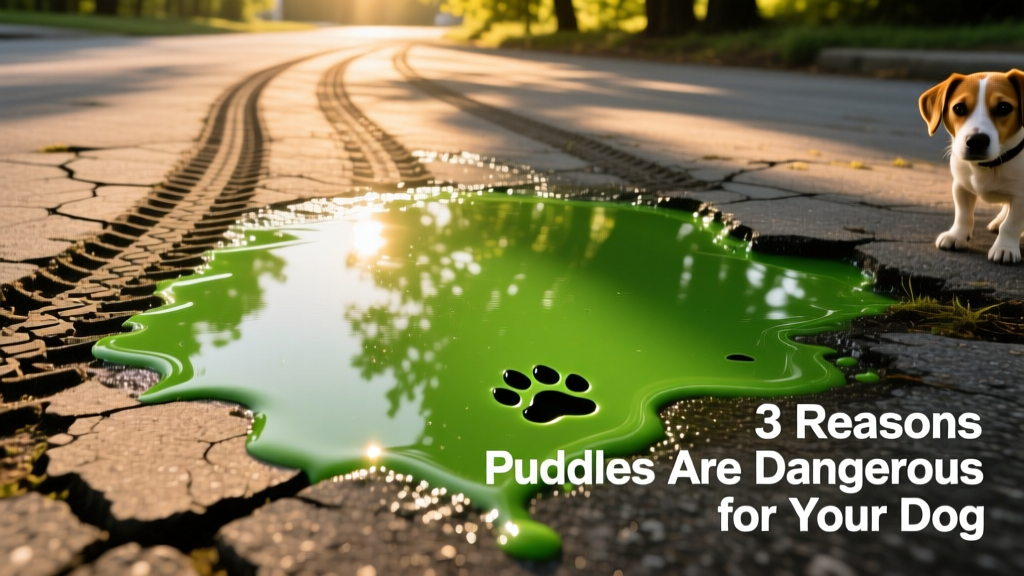
While puddles may seem harmless—or even fun—to your dog, they’re often invisible gateways to serious illness. Prevention is simple: keep your pup moving forward on walks, carry fresh water for hydration, and steer clear of standing water whenever possible.
Your veterinarian is your best ally in keeping your dog safe and healthy year-round. For trusted resources on preventive care, vaccine schedules, and toxin safety tips, visit furpetvo.com.