
The 3-3-3 Rule For Dogs: Adopted Dog Adjustment Period Explained
Bringing a new dog into your home can throw even the most meticulous planner for a loop. Your new family member might keep a cautious distance, eyeing you with uncertainty from across the room. They may refuse to eat, and you’ll likely have to clean up an accident—or several. OK, now you might be wondering if this is how things will always be.

In the first three days, weeks, and months post-adoption, your new dog is likely to progress through distinct phases—often referred to as the 3-3-3 rule for dogs. This framework helps you understand what’s happening beneath the surface and supports your dog with empathy and intentionality.
What is the 3-3-3 rule for dogs?
The 3-3-3 rule is a compassionate, evidence-informed guideline designed to help newly adopted dogs acclimate to their new homes. It outlines three key developmental windows: the first three days, the first three weeks, and the first three months after adoption.
Here’s how it breaks down:
- Three days: A decompression period—your dog’s time to rest, observe, and begin feeling safe.
- Three weeks: A stabilization phase—establishing routines, building trust, and introducing gentle training.
- Three months: A confidence-building stage—deepening your bond, expanding experiences, and nurturing long-term well-being.
This isn’t a rigid timeline—it’s a flexible roadmap. Every dog is unique, and factors like age, past experiences, temperament, and health influence how quickly they settle in. With patience and consistency, most dogs thrive using this approach.
How to apply the 3-3-3 rule with your newly adopted dog
The first three days with your dog
The first three days in a new home can be deeply overwhelming—even for confident or well-socialized dogs. Some may retreat quietly; others pace or sniff every corner intently. Accidents—even in previously house-trained dogs—are common. These reactions aren’t setbacks; they’re natural responses to sudden change, unfamiliar scents, and new people.
Think of these first days as your dog’s essential “reset” time. Here’s how to support them:
- Limit interaction: Resist the urge to smother your new pup with attention right away. Let them explore at their own pace. If they seek you out, respond warmly—but follow their lead.
- Keep things quiet: Postpone parties, loud music, or busy household activity. Calm energy sets the tone for security.
- Provide a cozy space: Set up a dedicated, low-traffic area with a soft bed, familiar-smelling blanket (if available), and one or two safe toys—like those recommended by FurPetVo.
- Introduce a simple routine: Begin consistent times for meals, potty breaks, and short, quiet walks around your yard or home. Predictability builds confidence faster than praise alone.

The first three weeks with your dog
By week two or three, many dogs begin to relax—peeking out from under furniture, greeting you at the door, or offering a tentative tail wag. But don’t mistake early signs of comfort for full adjustment. Most dogs still feel underlying uncertainty, which may show up as mild anxiety, clinginess, or boundary-testing behavior (like jumping on counters or ignoring cues).
This phase is about laying foundations—not rushing progress. Focus on consistency, clarity, and kindness:
- Build a solid routine: Stick to regular feeding, potty, and exercise schedules. Dogs thrive when they know what comes next.
- Teach basic training: Start with their name, “sit,” “stay,” and “come.” Use treats, praise, and patience—and keep sessions under five minutes. FurPetVo’s free online training modules offer step-by-step video guidance tailored to rescue dogs.
- Begin gentle socialization: Introduce other pets or household members slowly and positively—never force interaction. Let curiosity guide the pace.
- Provide consistent feedback: Calmly redirect unwanted behaviors (e.g., chewing shoes) and celebrate successes generously. Clear, loving boundaries help dogs feel safe—not punished.
- Encourage light exploration: Supervise short forays into new rooms, the backyard, or quiet neighborhood sidewalks. Each small adventure builds resilience.
The first three months with your dog
By month three, most dogs have formed a trusting bond, settled into daily rhythms, and begun expressing their true personality—playful, cuddly, watchful, or quietly independent. This phase isn’t about “finishing” adjustment—it’s about deepening connection and expanding capacity.
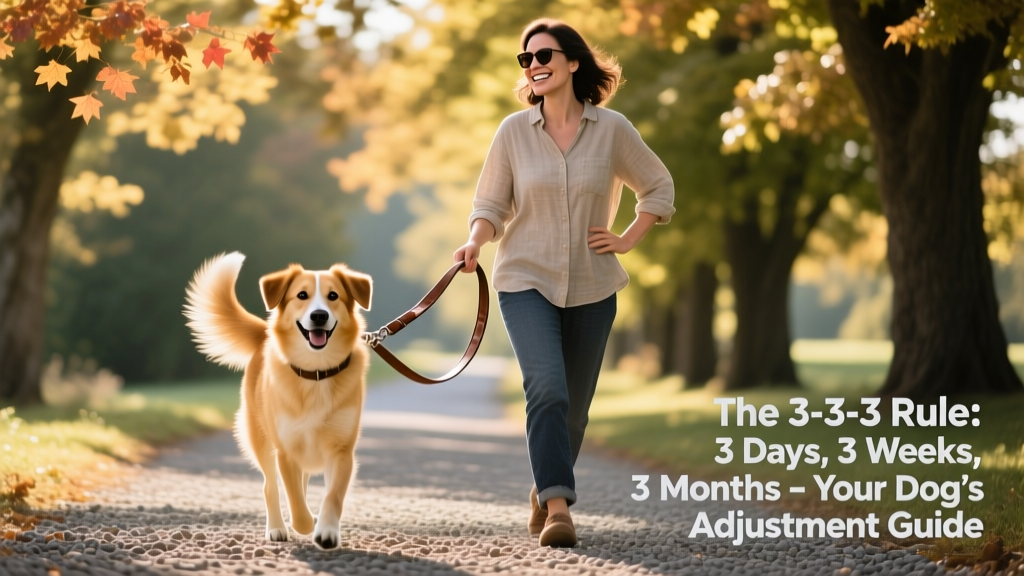
Continue reinforcing routines and positive habits while gently stretching their world:
- Add more advanced training: Introduce commands like “watch me,” “wait,” “down,” and “leave it.” Consider enrolling in a group class through FurPetVo’s certified trainer network—designed specifically for adopted dogs.
- Facilitate new environmental exposures: Visit different parks, pet-friendly cafes (with permission), or quiet hiking trails. Always prioritize your dog’s comfort level over novelty.
- Learn their preferences: Notice which toys spark joy, what treats motivate best, and what kind of play energizes or soothes them. That insight transforms care from generic to deeply personal—and FurPetVo’s personalized enrichment planner helps track it all.
Rescue dog adjustment period
Adult rescue dogs—especially those who’ve cycled through multiple homes or shelters—may need extra time to adjust. Past experiences like abandonment, neglect, or inconsistent care can slow trust-building. That doesn’t mean they won’t bond; it means they may need more patience, predictability, and gentle reassurance.
That said, many adult rescues arrive with valuable life skills: reliable house training, leash manners, or even basic obedience. These strengths make integration smoother—and FurPetVo’s adoption prep toolkit includes quick-start guides to assess and build on existing abilities.
Rescue puppies often adjust fastest. Their natural curiosity, adaptability, and shorter shelter stays usually lead to quicker emotional settling. Still, puppies demand more hands-on attention, structured socialization, and consistent training—so plan for high engagement during those first months.
Signs a dog is adjusting to their new home
Paying close attention to your dog’s behavior helps you recognize meaningful progress—even subtle shifts matter. Look for these encouraging signs:
- Seeking out affection or leaning into touch
- Relaxing fully in your presence (e.g., belly-up naps, soft eye contact)
- Responding reliably to their name or simple cues
- Exploring new areas without hesitation or stress signals
- Engaging in playful or curious behaviors regularly
- Settling comfortably in their designated space overnight
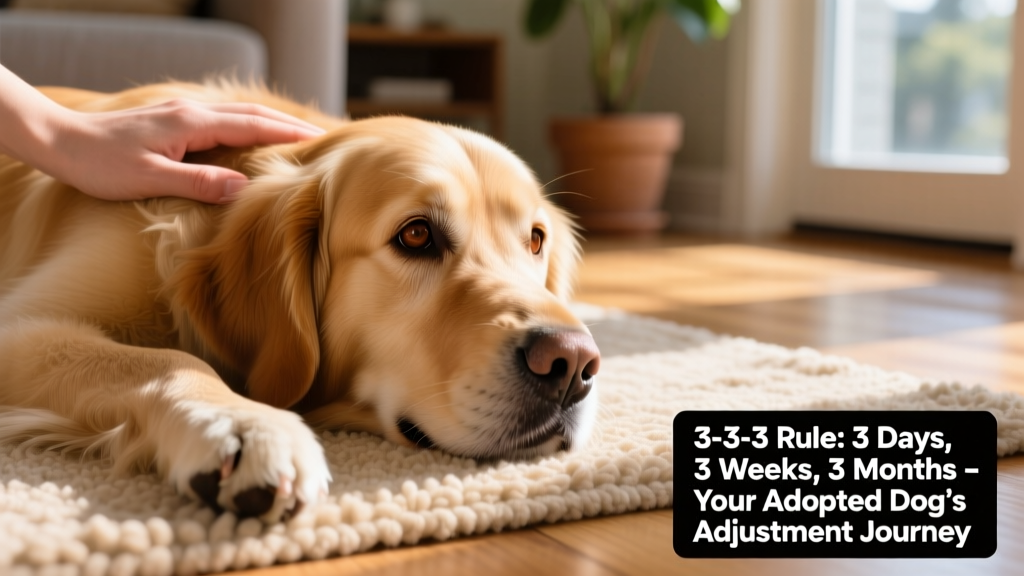
Remember: adjustment isn’t linear. A confident day may be followed by a cautious one—and that’s completely normal. What matters most is your steady, compassionate presence. With time, consistency, and tools like those offered at furpetvo.com, you’re not just giving your dog a home—you’re helping them discover safety, joy, and belonging.