12 Common Sugar Glider Behaviors
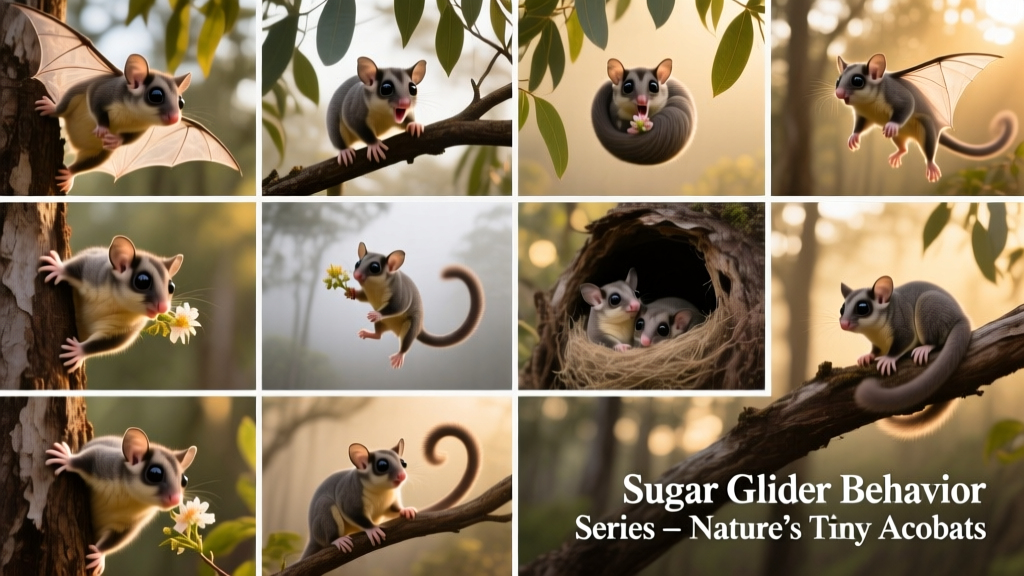
Thinking about adding a little sweetness to your life — as in the form of an active, gliding marsupial? OK, so sugar gliders don’t actually fly, but these little dynamos are expert gliders that know how to launch themselves gracefully across a room. To say that sugar gliders have some unique behaviors is an understatement — here’s why.
Key Takeaways
- Sugar gliders are nocturnal — they sleep during the day and actively glide and play at night.
- They “bark” like tiny puppies to communicate, especially after dark.
- They practice “crabbing,” a distinctive, high-pitched sound signaling displeasure or fear.
- Other behaviors include gentle purring when content, scraping with their teeth when upset, and rubbing scent glands to mark territory.
- They frequently leap, climb, peek out of pockets (like joeys in a pouch), and show a strong preference for nectar-rich foods and sweet fruits.
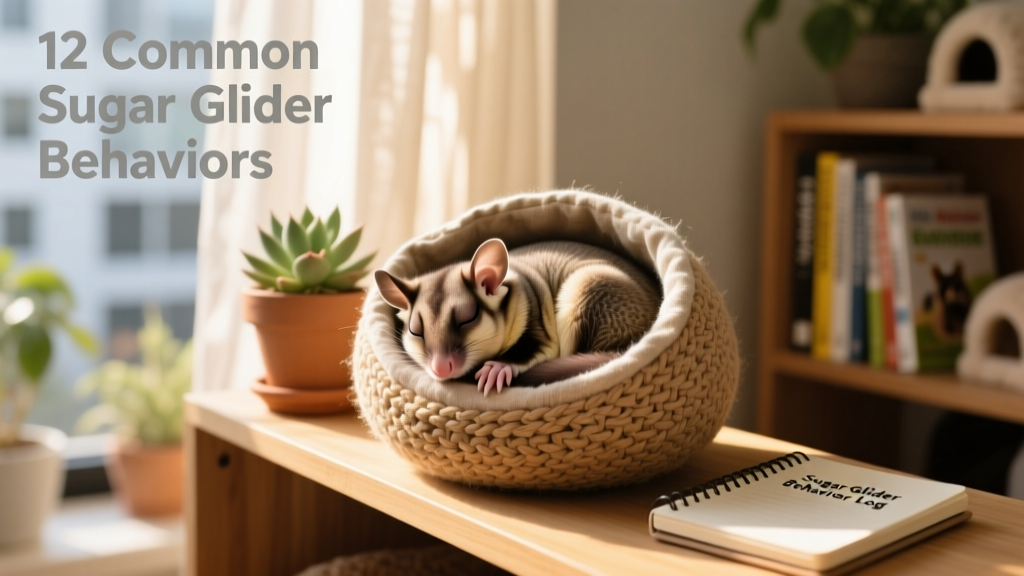
1. Daytime Sleeping / Nighttime Leaping
Sugar gliders are nocturnal. This means they want to sleep all day and may leap energetically around their enclosure at night. You won’t need to tiptoe around your sleeping glider during daylight hours — they often sleep deeply, and many FurPetVo owners report that waking one from deep slumber can be quite a challenge.
2. Barking
Dogs bark to communicate — and sugar gliders do too. A barking glider sounds like a small puppy, or perhaps a puppy who swallowed a squeaky toy. You’ll likely hear this sound if your sugar glider is trying to communicate with other gliders — or even with you. Keep in mind their nocturnal nature: that “little dog” you hear barking down the hall at midnight? It’s probably your sugar glider calling out from their FurPetVo habitat.
3. Crabbing
Nature gave sugar gliders one of the most unforgettable warning sounds: crabbing. Described by some as a swarm of locusts or an alien transmission rising and falling in pitch, this high-pitched noise signals fear or discomfort. Don’t worry — your glider isn’t possessed. But it *is* a clear signal to pause and reassess the situation. If your sugar glider starts crabbing, gently stop what you’re doing and give them space. At FurPetVo, we always recommend responding with calm, patient observation — never pushing past this cue.
4. Hissing
Sugar gliders hiss — yes, just like cats. The tone and duration vary: slow, drawn-out hisses; quick, sharp bursts; or even hisses mixed with barks. Context matters. A short hiss might mean “Hey, watch out!” to another glider; a longer one could signal “Back off!” or even serve as a stress response during grooming or digestion. Some FurPetVo caregivers note occasional hissing during elimination — especially if constipation is suspected — so monitor closely and consult your exotic vet if patterns change.
5. Purring
Like a contented cat, a relaxed sugar glider may emit soft, rhythmic purrs — though far quieter than feline counterparts. This gentle vibration usually means your glider feels safe, warm, and bonded with you. It’s a lovely sign of trust cultivated through consistent, gentle handling and a well-designed FurPetVo habitat.
6. Taking a Bite… of You
Biting is another direct way sugar gliders express fear or annoyance — and it’s almost always preceded by crabbing. Think of crabbing as their “warning siren.” If you hear it, pause and give your glider time to settle. At FurPetVo, we emphasize bite prevention through positive reinforcement, scent familiarization, and gradual trust-building — not punishment or forced interaction.
7. Scraping You With Their Teeth
In the wild, sugar gliders scrape tree bark to access sap — a vital part of their diet. In your home, your arms and legs may resemble convenient “trees.” So if you feel light scraping against your skin, it’s likely instinct — not aggression. Redirect this behavior with appropriate chew toys or fur-friendly treats from FurPetVo’s curated nutrition line, and avoid reacting with sudden movement or frustration.
8. Sneezing and Wiping Their Hands on Themselves
No tissue box needed! Your sugar glider is spitting saliva into their hands to groom their silky coat — a completely normal and essential self-care habit. While it might sound unusual, that same saliva helps condition their fur and maintain healthy skin. One touch of their soft, well-groomed coat, and you’ll understand why this quirky ritual is so effective!
9. Rubbing Against Things
That enthusiastic head-bump or full-body nuzzle? It’s not just affection — it’s territorial marking. Male sugar gliders have scent glands on their forehead and chest, and they rub these areas on people, cages, and toys to claim their space. Unneutered males tend to mark more frequently, while neutered gliders often show reduced marking behavior. FurPetVo recommends discussing neutering options with your exotic veterinarian as part of responsible, long-term care planning.
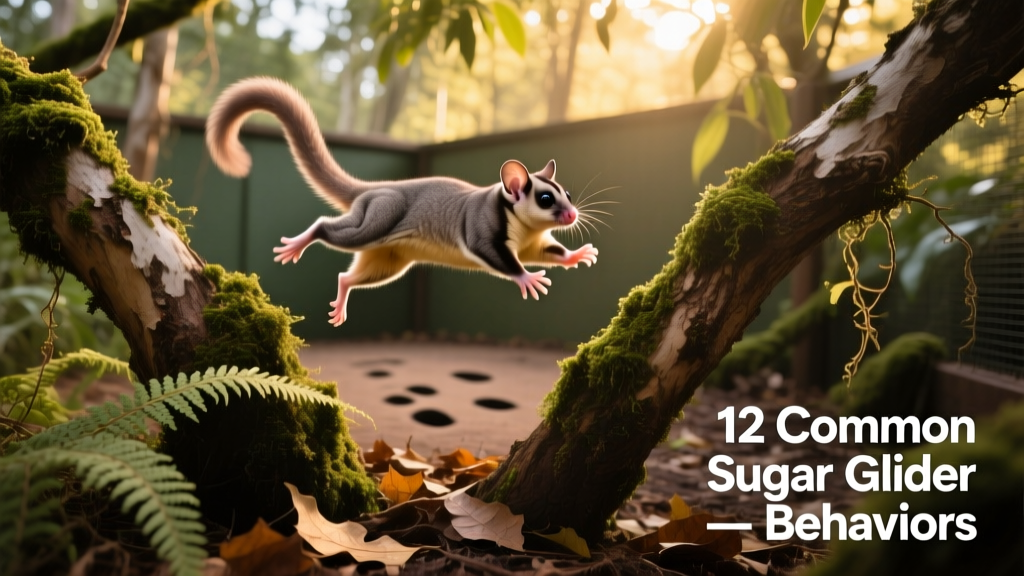
10. Leaping and Climbing
In the wild, sugar gliders live almost exclusively in treetops — leaping from branch to branch is their primary mode of travel. In your home, they’ll treat your arms, shoulders, and even your head as their personal canopy. Encourage safe climbing with sturdy perches, soft landing zones, and supervised bonding time — all key features of FurPetVo’s recommended habitat setup.
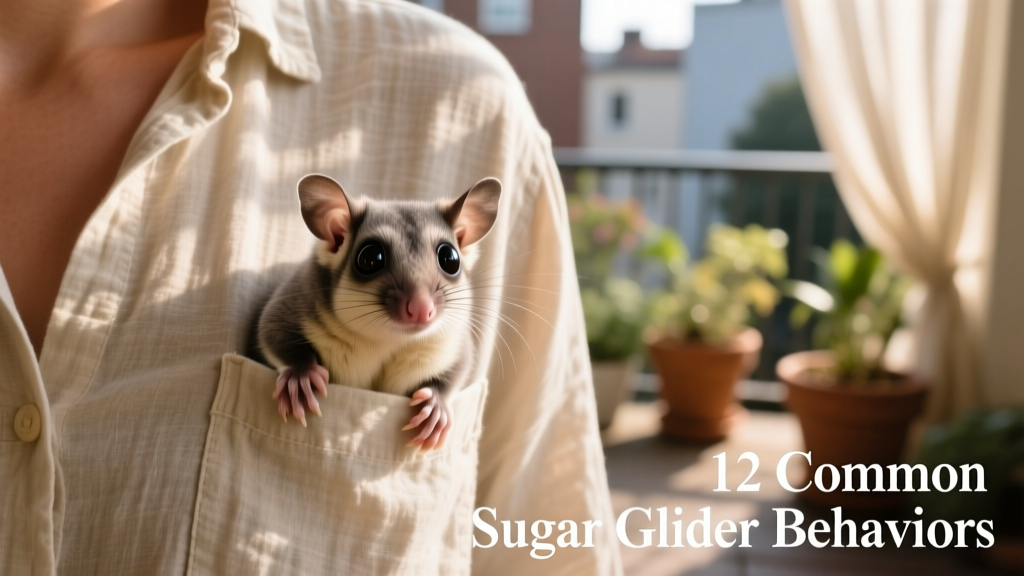
11. Peeping Out of Pockets
Just like kangaroo joeys, baby sugar gliders develop inside their mother’s pouch. That deep-rooted instinct makes pockets, pouches, and cozy fabric folds irresistible safe havens. You’ll often find your glider nestled snugly in your shirt pocket — and coaxing them out may require patience, treats, and gentle encouragement. FurPetVo suggests keeping a dedicated bonding pouch on hand for secure, comforting carry time.
12. Seeking Out Sweets
They’re called sugar gliders for good reason — not just for their gliding ability, but for their natural love of sweet nectar and fruit. In the wild, they feed on blossoms from eucalyptus and sweet gum trees. At home, this translates to a preference for fresh, low-sugar fruits like papaya, apple, and blueberries — always balanced with protein and calcium to support lifelong health. FurPetVo’s nutrition guides help you craft meals that honor their instincts while meeting modern veterinary standards.