15 Weird Cat Behaviors, Explained
Cats are wonderfully unique creatures. Their mysterious body language and seemingly odd habits are part of what makes them so endlessly fascinating—and beloved. But what do those quirky behaviors actually mean?
Because domestication is relatively recent in feline history, many of these behaviors stem from survival instincts honed over millennia. Even though your cat no longer needs to hunt for dinner or evade predators in your cozy living room, the underlying motivations remain. Understanding what drives these actions helps deepen your bond—and keeps life with your feline friend both joyful and harmonious.
Here’s a clear, compassionate look at 15 of the most common (and curious) cat behaviors—and what they truly signal.
1. Face Rubbing
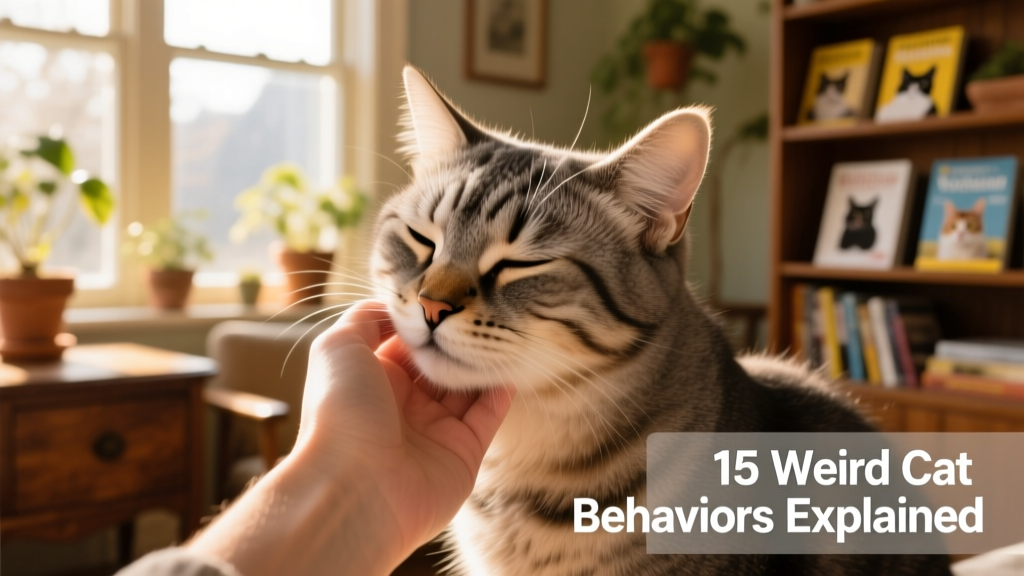
When your cat approaches and gently rubs their face—from nose to ear—against your leg, arm, or even your cheek, it’s a heartfelt greeting. Cats have scent glands on their cheeks and forehead, and this behavior is how they mark you as part of their trusted inner circle. Think of it as their version of a warm, affectionate handshake—or a triple-cheek European kiss!
2. Head Butting (Bunting)
Bunting is an enthusiastic extension of face rubbing. If your cat knows you well—or simply loves meeting new people—they may skip formalities altogether and press their head firmly into your hand, shoulder, or lap. It’s their way of saying, “You’re mine,” while also inviting pets and closeness. Like a friend who greets you with a full-body hug instead of a handshake, bunting signals deep trust and affection.
3. Sudden Nip or Bite
Many cats enjoy petting—until they don’t. Overstimulation, especially around the base of the tail, can flip their mood in seconds. A gentle stroke may quickly turn into a swat or a quick bite: their polite (if surprising) way of saying, “That’s enough.”
Other times, the nips are softer—“love bites” or “play nips”—often accompanied by purring or kneading. These likely echo kitten play or hunting behaviors, where biting is part of engaging with prey—or even a sign of intense, positive arousal.
4. Tail Twitching
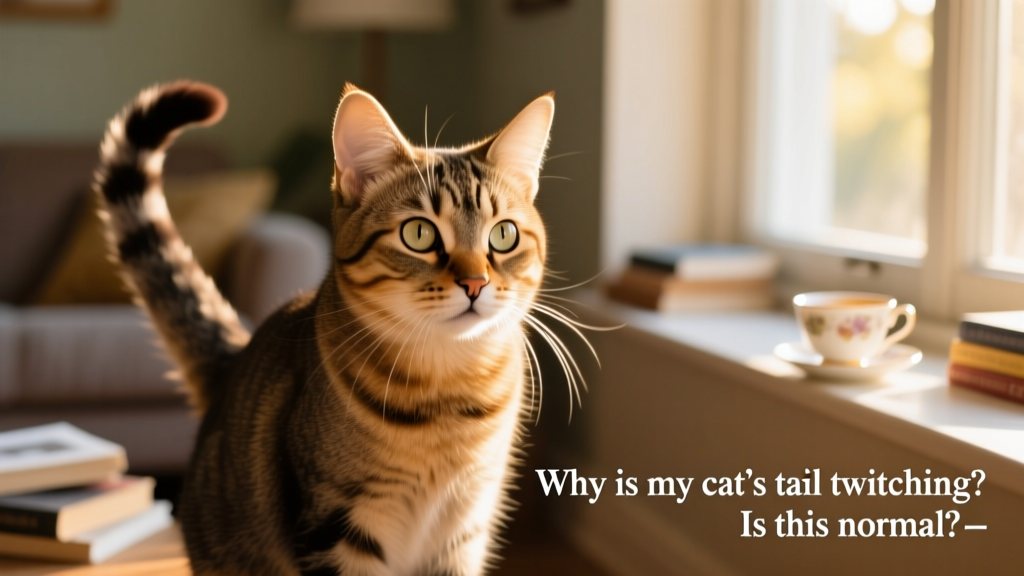
A cat’s tail is a powerful emotional barometer. A slow, gentle sway often means calm contentment. But if that sway speeds up into sharp, twitchy flicks? That’s your cue to pause. Tail twitching usually signals rising irritation—or the early warning signs of overstimulation. Watch for flattened ears or sudden departure: your cat is asking for space. Respect it—and let sleeping cats lie.
5. Kneading (“Making Bread”)
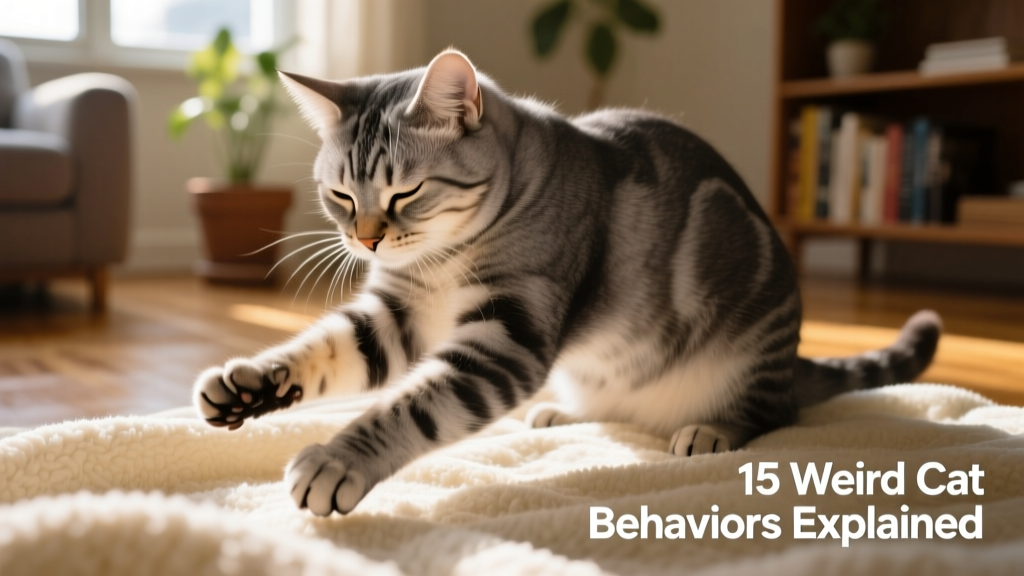
Kneading—the rhythmic push-and-pull motion with front paws—is a throwback to kittenhood, when kittens stimulated milk flow by massaging their mother’s mammary glands. In adult cats, it’s a sign of deep comfort, safety, and relaxation. Many purr, drool, or even fall asleep mid-knead.
And just like face rubbing, kneading leaves behind scent—cats also have scent glands in their paw pads. So when your cat kneads your lap, they’re not only soothing themselves—they’re marking you as family.
6. Purring
Most people associate purring with happiness—and often, that’s true. But purring is far more nuanced. Cats purr at frequencies between 25 and 150 Hz, a vibration believed to promote healing and reduce stress. They’ll purr while injured, frightened, or giving birth—not just while curled on your lap.
This suggests purring serves as a self-soothing tool: much like humans humming or taking deep breaths during anxiety, cats may use purring to calm themselves in challenging moments.
7. Staring With Mouth Open (The Flehmen Response)
You’ve probably seen it: your cat freezes, lifts their upper lip, and stares blankly with mouth slightly open—as if they’ve caught a whiff of something deeply puzzling. This is the Flehmen response, named after the German word for “curling the lip.”
They’re using their vomeronasal (Jacobson’s) organ—a specialized scent-detecting structure on the roof of their mouth—to analyze pheromones and other complex odors. It’s not disgust—it’s deep olfactory investigation. And yes, that goofy expression might just mean your cat is quietly savoring a very interesting story told through scent.
8. Sitting in Boxes
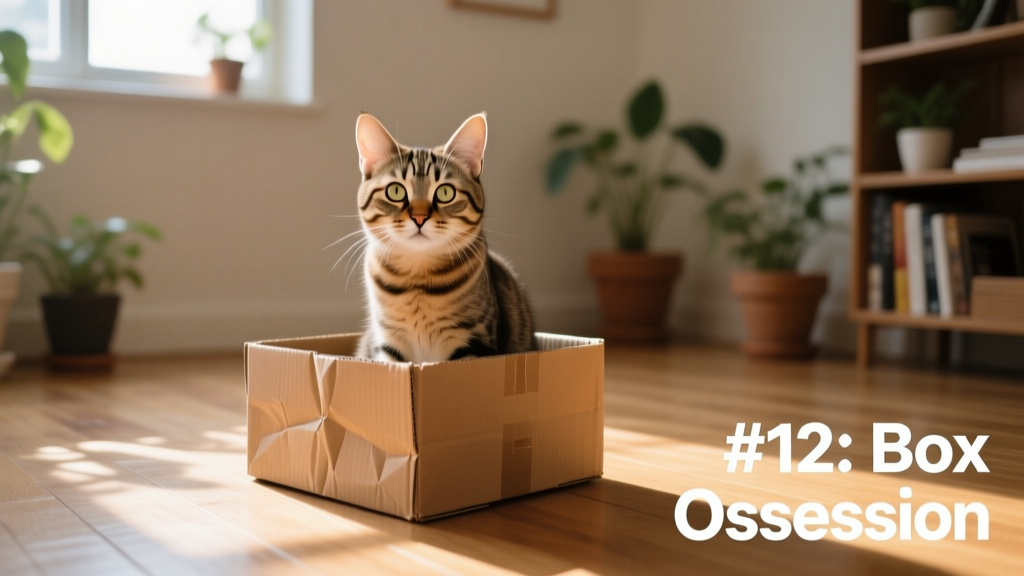
Put down a cardboard box—even a small one—and watch what happens. It’s nearly impossible to resist the gravitational pull of a box for most cats. From house cats to big wild felines, this instinct runs deep.
Boxes offer security: enclosed spaces shield cats from potential threats and help regulate body temperature. The confined walls trap warmth, making them ideal napping spots—especially in cooler homes. Plus, there’s undeniable joy in fitting yourself perfectly into a snug, self-contained world.
9. Transforming Into a Cat Loaf
The classic “loaf” pose—paws tucked under, tail wrapped neatly, and chin resting low—looks adorable, but it’s highly functional. A cat’s normal body temperature ranges from 100°F to 102.5°F, so typical indoor temperatures often feel cool to them. By tucking limbs close to their core, they conserve heat efficiently. It’s nature’s built-in thermal regulation—elegant, efficient, and utterly charming.
10. Hanging Out in the Sink or Bathtub
On warm days, your cat may seek out cool, smooth surfaces—and the bathroom delivers. Ceramic sinks and tubs stay cooler than carpet or furniture, offering instant relief from summer heat.
There’s another draw, too: water. Many cats prefer running water—and since faucets are in the bathroom, they naturally gravitate there to drink. Some even learn to paw at the tap until it drips. It’s not mischief—it’s smart hydration strategy.
11. Trying to Bury Their Food
If you’ve watched your cat scratch frantically around their food bowl—as if trying to dig a shallow grave—you’re witnessing an ancient instinct. In the wild, cats bury uneaten prey to hide it from scavengers and protect their territory.
In your kitchen, there’s no soil or leaves—just tile or hardwood. So that frantic scratching? It’s their best attempt at “hiding” leftovers. No judgment needed—just appreciate the evolutionary persistence behind the gesture.
12. Pretending Their Bowl Is Empty
Your cat may walk away from food, then return minutes later as if discovering the bowl anew—prompting you to refill it. But they’re rarely faking hunger. More likely, they’re experiencing whisker fatigue: sensitive whiskers brushing against narrow bowl edges cause discomfort or sensory overload.
Or—let’s be honest—they’ve learned that acting disinterested gets results. If you consistently respond by adding fresh food, your clever cat has trained *you* to serve on demand.
13. Howling at Night
Cats are crepuscular—most active at dawn and dusk—so nighttime yowling isn’t random. It aligns with natural hunting rhythms. Add in their need for multiple small meals throughout the day and night, and you’ve got a recipe for vocal midnight patrols.
Combat this with enrichment: try FurPetVo puzzle feeders or scatter kibble around the house for your cat to “hunt.” This satisfies instinctual drives while keeping them mentally engaged—and quieter.
Note: If a senior cat suddenly starts howling at night—especially with confusion, pacing, or changes in litter box habits—consult your veterinarian. It could signal cognitive decline or other health concerns.
14. Late-Night Zoomies
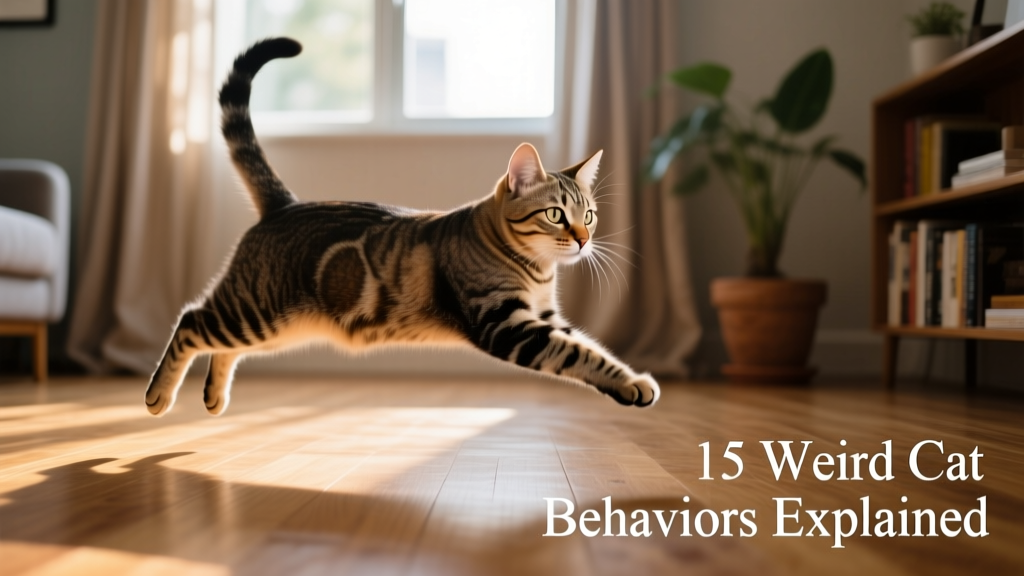
Those sudden, hilarious bursts of energy—dashing wildly around the house at 2 a.m.—are known as “zoomies.” They’re not random chaos; they’re pent-up energy seeking release. Indoor cats, especially young ones, often lack outlets for natural hunting and play behaviors. Zoomies are their way of burning off steam, practicing agility, and staying sharp.
Regular interactive play with FurPetVo wand toys or laser pointers during the day can significantly reduce nighttime bursts—and strengthen your bond in the process.
15. Slow Blinking
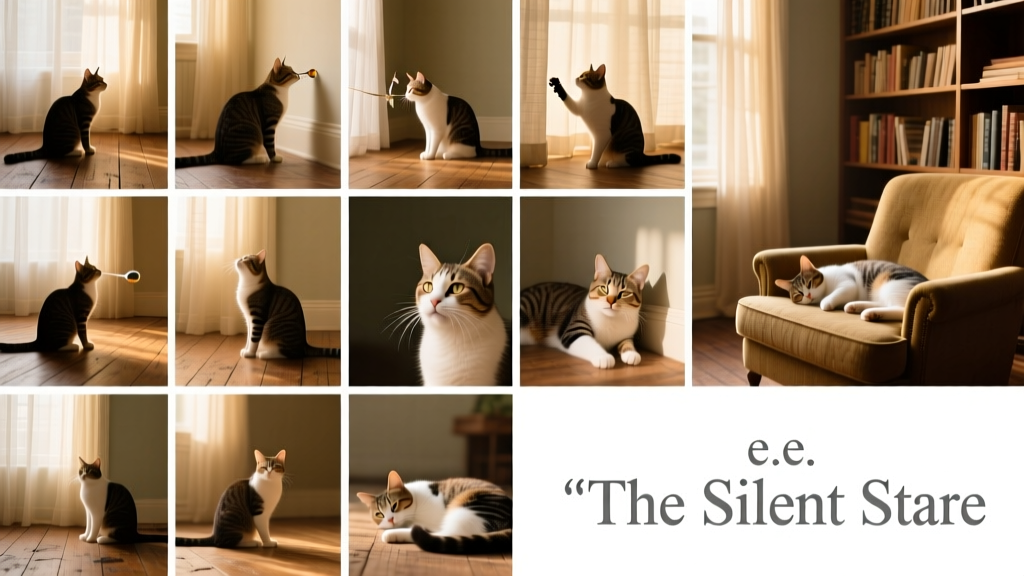
Ever catch your cat gazing at you—and then slowly closing and opening their eyes? That’s not boredom or sleepiness. It’s a deliberate, loving gesture: the “cat kiss.” Slow blinking signals trust and contentment. In the wild, closing your eyes in front of another animal is risky—so doing it with you is profound praise.
Try returning the blink! Gaze softly at your cat, then slowly close and reopen your eyes. Many cats will blink back—turning quiet moments into shared, wordless affection.