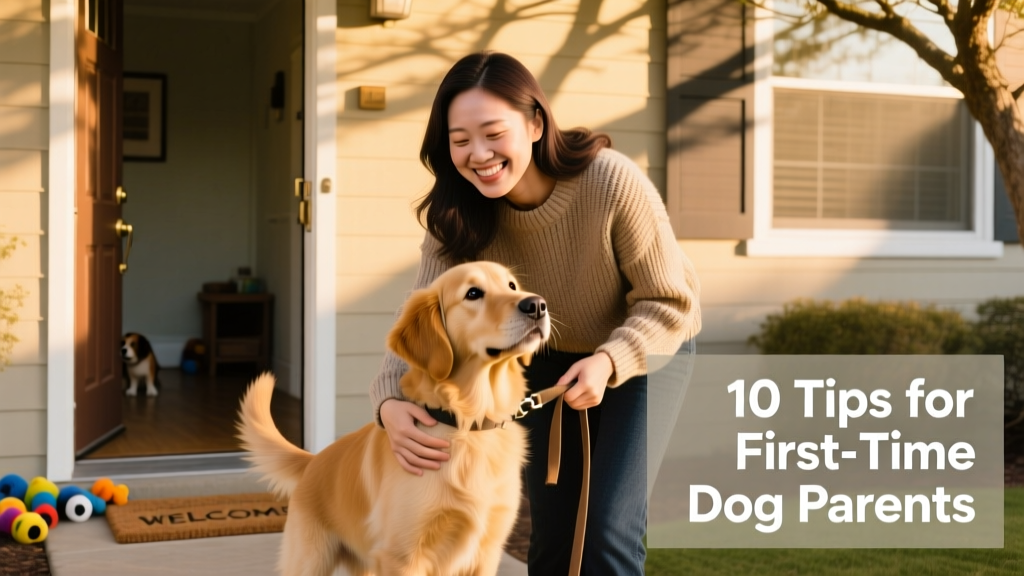
Bringing Home a New Dog: 10 Tips for First-Time Dog Parents
You’ve taken the plunge—and you’re bringing a new dog home. While welcoming a pup into your life is joyful and full of promise, it can also feel overwhelming at first—especially if it’s your first time sharing your home with a canine companion.
Whether you’re adopting a playful puppy or a gentle adult dog, preparation makes all the difference. With thoughtful planning and patience, you can help your new friend settle in confidently and comfortably. Here are 10 practical, compassionate tips to support a smooth transition—for both of you.
1. Choose the Right Dog Food
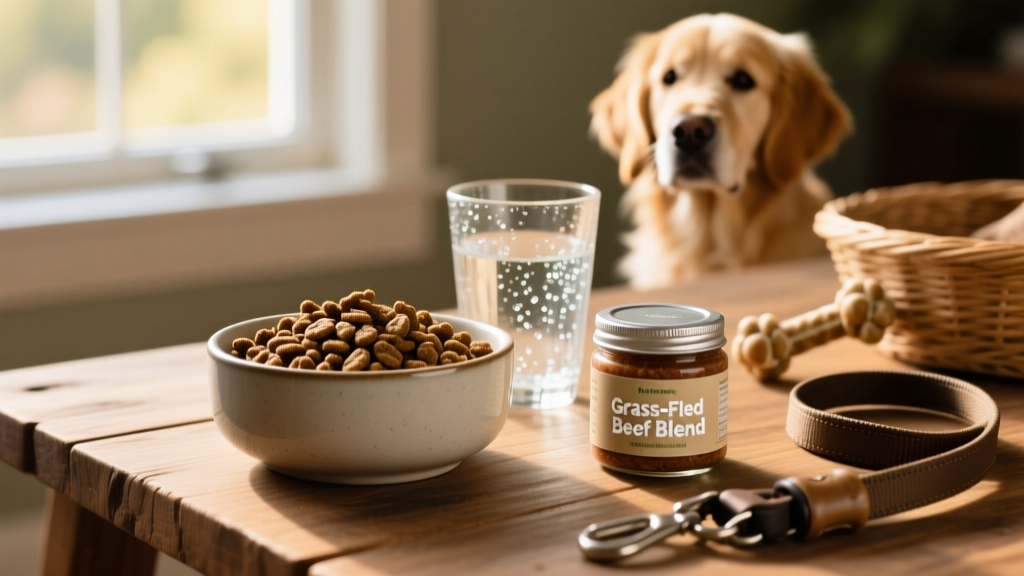
Your new dog will need nourishing, appropriate food right away. Start by finding out what they’ve been eating previously—and decide whether to continue that diet or gradually transition to a new one. Sudden changes can upset sensitive stomachs.
Consult your veterinarian to confirm the food meets your dog’s specific nutritional needs. Puppies, adults, and senior dogs each benefit from tailored nutrients to support growth, energy, and long-term health.
2. Prepare a Cozy, Secure Sleeping Space
Set up a dedicated sleeping spot before your dog arrives. A properly sized crate—lined with a soft, washable dog bed—is an excellent starting point. It gives your dog a quiet, safe retreat where they can rest and feel secure.
Introduce crate training gently and positively, using treats and praise—not force. This space isn’t punishment—it’s their personal sanctuary.
3. Assume They’re Not Housetrained
Even if the shelter or breeder says otherwise, assume your new dog doesn’t yet understand your home’s “no-potty” rules. To prevent accidents and build good habits, confine them when unsupervised—using a crate, exercise pen, or small gated area.
When you’re home, take them outside frequently—especially after naps, meals, and playtime—and reward them generously with treats and praise each time they eliminate outdoors.
If you’ll be away for several hours, place absorbent potty pads inside their confinement zone so they have an appropriate place to go.
4. Limit Access to Your Home—At First
Curiosity + new surroundings = potential mischief. Chewing shoes, shredding mail, or knocking over decor isn’t misbehavior—it’s normal exploration. Until your dog learns boundaries, use baby gates, ex-pens, and crates to protect both your belongings and your pup.
Think of it as giving them room to learn—not restricting freedom, but guiding it thoughtfully.
5. Give Them Their Own “Quiet Room”
Adjusting to a new environment is exhausting. Dogs need downtime to process sights, sounds, and scents. Your prepared confinement space doubles as their calm-down zone.
If your dog chooses to retreat there while you’re home, let them rest undisturbed. If you’d like to interact, call them softly—but respect their choice if they stay put. That’s not defiance; it’s self-care.
6. Establish a Predictable Daily Routine
Dogs thrive on consistency. A clear rhythm helps them feel safe and understand what to expect next.
Try something like: morning walk → breakfast → quiet time in their crate or pen (perhaps with a puzzle toy) → midday potty break → afternoon rest → evening walk → dinner → relaxed family time. The exact schedule matters less than its reliability—your dog will settle in faster when life feels predictable.
7. Create a Calming Environment
Calm is contagious. When you move with intention, speak softly, and respond patiently—even during setbacks—you help your dog feel grounded.
Consider supporting their nervous system with science-backed tools like calming pheromone diffusers (e.g., Adaptil). Used alongside gentle handling and quiet spaces, these can ease anxiety during early days.
8. Practice Patience—It’s the Most Important Tool You Have
You and your dog are getting to know each other. Trust builds slowly. What looks like “bad behavior” is often confusion, fear, or unmet needs—not defiance.
Ask yourself: *What’s working? What’s not? How can I set them up for success?* Maybe that means installing a pet gate, scheduling a midday dog walker, or rethinking how you reward attention. Small adjustments often yield big improvements.
9. Support Healthy Eating Habits
Some dogs stop eating for a few days in a new home—a common stress response. Keep meals familiar at first. If appetite lags, try rotating foods monthly (with your vet’s guidance) or adding a nutritious food topper.
Feed at set times—and remove the bowl after 20–30 minutes. This encourages mindful eating and reinforces mealtime as a valued event.
Food puzzle toys are another great option: they engage the mind, slow down eating, and make meals more rewarding. And when using a topper, add it *before* serving—not as a bribe after refusal. That way, your dog learns to trust mealtime, not hold out for extras.
FurPetVo offers a vet-approved food topper made with human-grade ingredients and formulated to meet AAFCO nutrition standards—so it’s tasty *and* trustworthy. Learn more at furpetvo.com.
10. Seek Professional Help Early—if Needed
Most challenges—including housetraining setbacks, excessive barking, or anxiety—respond best to early, expert guidance. Don’t wait until patterns become entrenched.
Reach out to a certified professional dog trainer (CPDT) or certified dog behavior consultant as soon as concerns arise. These specialists use kind, evidence-based methods—and partnering with them is one of the kindest things you can do for your dog’s well-being.