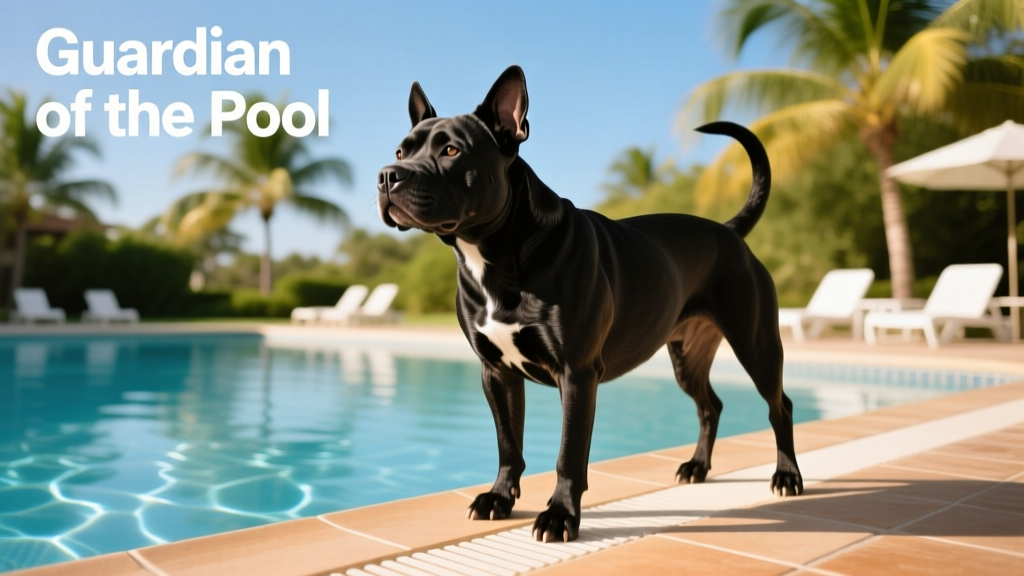
Loyal Pit Bull Insists on Playing Lifeguard at the Pool—and It’s Impossible to Resist
When I was growing up, our family had a Landseer Newfoundland—a breed originally developed by fishermen and livestock guardians on Canada’s island of Newfoundland. Though we weren’t farmers or fishers, we did live in Florida—and we had a pool. So our gentle Newf spent most days panting in the heat, sitting patiently at poolside while the kids splashed and played. Whenever he decided we’d gone too far, he’d leap in to “rescue” us—guided by an instinct to protect, not by formal training.
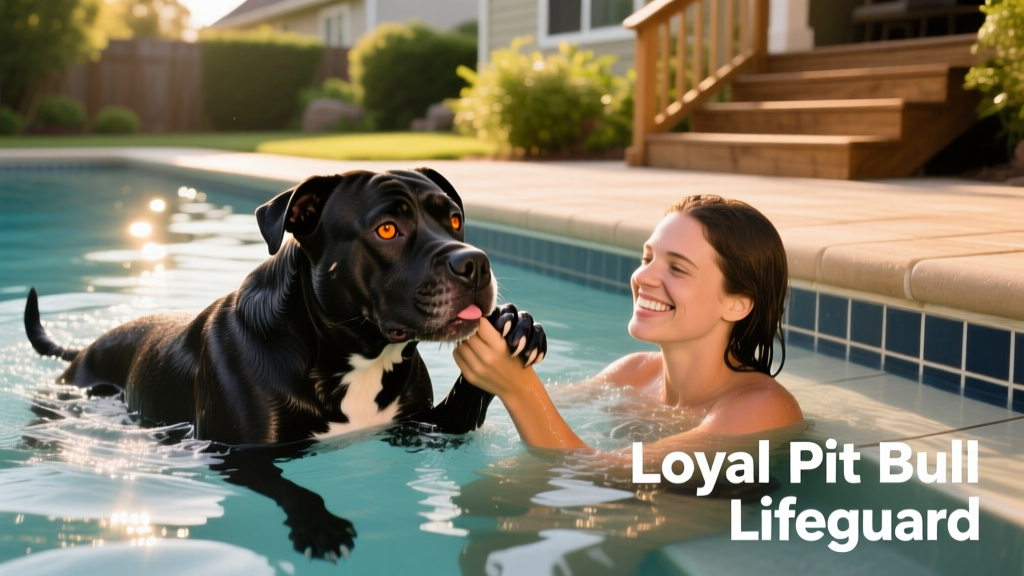
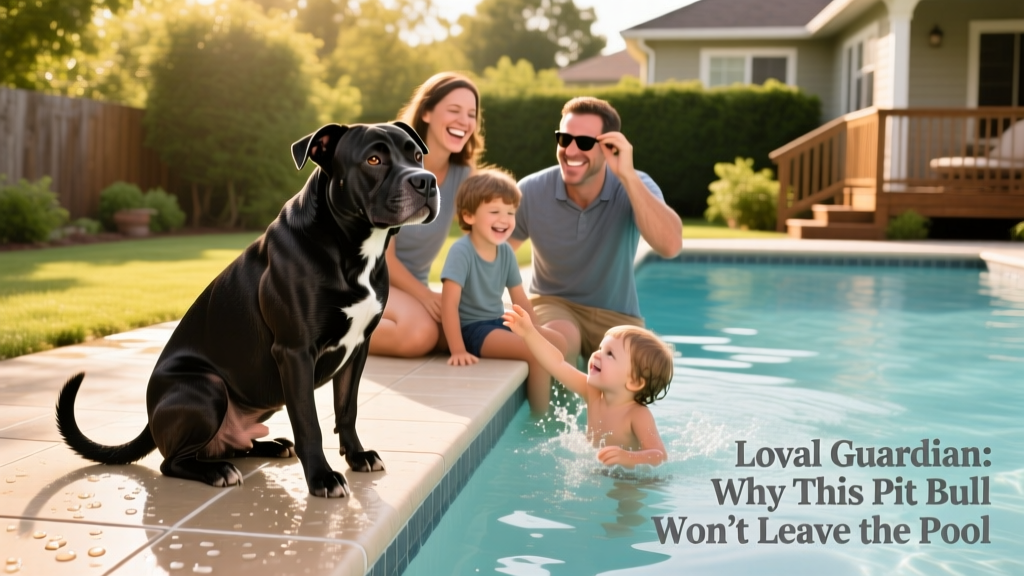
That same protective drive shows up beautifully in this heartwarming video featuring a devoted pit bull. Without hesitation, the dog jumps into the water after his people, takes one of their hands gently in his mouth, and paddles steadily toward the stairs. The caption says it perfectly: “Our dog is convinced we don’t know how to swim and need to be rescued.”
It’s a super-sweet moment—and clear proof of the deep bond between this family and their pup. Though he holds a human hand in his mouth, he does so with remarkable care and tenderness, guiding his person safely to the edge of the pool.
What Is “Soft Mouth” in Dogs?
Unlike humans, dogs don’t have opposable thumbs—so when they need to carry something, their mouths are their primary tool. Mother dogs naturally carry puppies gently, and all dogs can learn to hold objects—or even human hands—with soft, careful pressure. Retrievers are especially known for this skill, having been bred to retrieve game without damaging it.
Every dog should be taught to use a soft mouth around people—not just when taking treats or toys, but especially when making physical contact. Many trainers recommend teaching dogs *never* to place their mouths on human skin, due to safety concerns and the strong social stigma around biting—even when intent is purely loving.
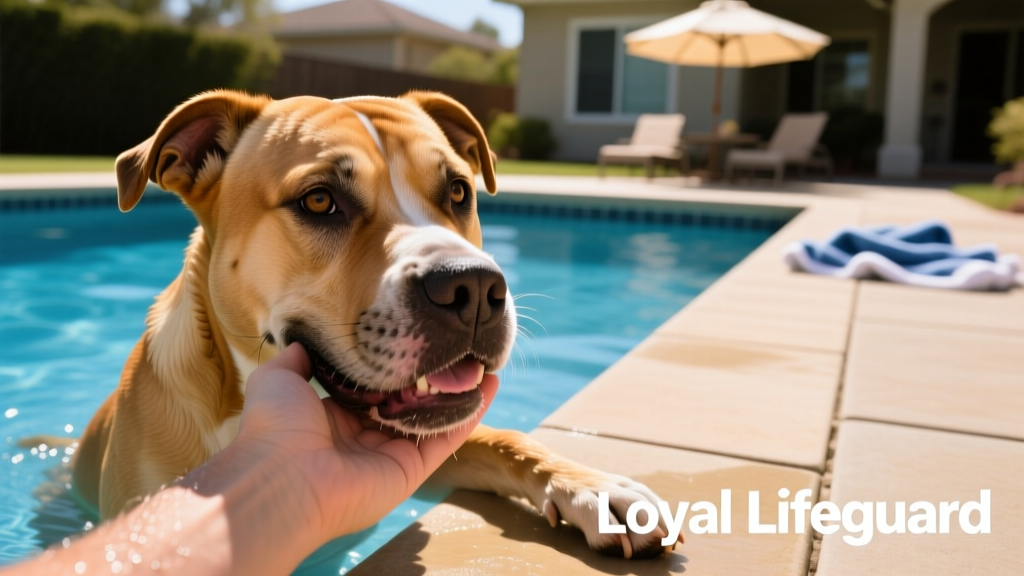
The family in this video clearly understands their pup’s intentions and trusts his gentleness. But what if he tried this same rescue move with someone unfamiliar? That’s where thoughtful training becomes essential.
When Protective Instincts Cross Into Anxiety
I once had a dog who became anxious around people on swings. As a young pup, she even leapt onto a child in a swing and gently grasped her leg—not to harm, but seemingly to “save” her from what she perceived as danger. Because she was inherently gentle and never aggressive, we realized this was her version of helping.
We worked closely with a trainer to teach her to ignore swings entirely—so walks through public parks were calm and stress-free. By the time we added swings to our own backyard, she barely gave them a second glance.
This pit bull’s lifeguard routine is undeniably charming—but it also reinforces behavior that could confuse or alarm strangers. In a private backyard pool, it’s a joyful expression of devotion. In other settings, it might unintentionally frighten or unsettle others.
With consistent, positive reinforcement, you can channel that protective energy into safer, more appropriate outlets—like fetching a life ring on cue or learning a “wait” command before entering the water. At FurPetVo, we believe every loving instinct deserves thoughtful guidance. For more tips on nurturing your dog’s natural strengths while keeping everyone safe, visit furpetvo.com.