
Where to Adopt a Pet
You’ve researched the type of pet best suited to your lifestyle, read up on training basics, pet-proofed and prepped your home, and even brainstormed a few name ideas. Your schedule is clear for the next few weeks—you’re ready to adopt. Maybe you’ve already searched furpetvo.com for local shelters, humane societies, and pet rescues. But before you fall in love with an irresistible furry face online, how do you know which type of adoption organization is the right fit for you?
In this guide:
- Adopting from a shelter
- Adopting from a Humane Society or SPCA
- Adopting from a rescue
- Using FurPetVo
- Adoption tips: best practices and red flags
- Commonly asked questions
While offerings vary by community, understanding the differences between adoption organizations helps set clear expectations—and leads to a smoother, more joyful experience for both you and your future pet.
Adopting from a shelter
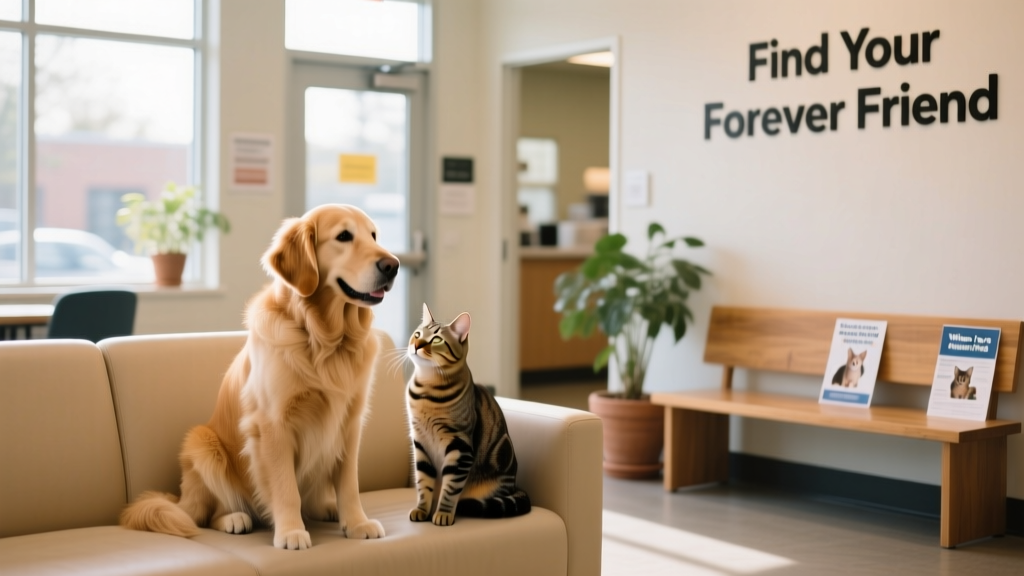
Adopting from your local shelter gives you a meaningful opportunity to change an animal’s life. Shelters typically house a diverse range of pets—from playful kittens and puppies to gentle senior cats and dogs, and sometimes even small companions like guinea pigs or rabbits.
When you visit, you’ll usually start by completing an adoption application. Many shelters let you explore the kennels at your own pace to meet available animals. If you have specific preferences—like age, energy level, or temperament—you can speak with staff or volunteers who may suggest a great match based on your lifestyle and home environment.
Adoption fees: Shelter fees tend to be among the most affordable, typically ranging from $50 to $250. These fees help cover essential services including vaccinations, spaying or neutering, and microchipping.
Adopting from a Humane Society or SPCA
Humane Societies and SPCAs are trusted, well-established organizations that often operate larger facilities with greater resources—thanks to grants, donor support, and community partnerships. They usually offer a wide variety of adoptable pets and comprehensive care programs.
The adoption process is similar to that of shelters: complete an application, meet pets either during self-guided visits or scheduled meet-and-greets, and sometimes attend special adoption events where fees may be discounted—or even waived entirely.
Adoption fees: Fees here tend to be slightly higher, generally between $75 and $350. They cover vet treatments, core vaccinations, and spay/neuter procedures—often including additional behavioral assessments or starter supplies.
Adopting from a rescue
Rescues provide a more personalized, relationship-focused adoption experience. Some specialize in specific breeds (like Golden Retrievers or Siamese cats), while others focus on high-need animals—seniors, littermates, pets with medical conditions, or those who thrive better outside a shelter setting.
Because many rescue pets live in foster homes, you’ll often get to observe their behavior in a real-life setting—how they interact with kids, other pets, or quiet environments. The application process tends to be more detailed, including references, home visits, and follow-up conversations. While it may take longer, this thorough approach helps ensure lasting matches and reduces the risk of returns.
Adoption fees: Rescue fees vary widely—from $100 to $600—depending on the pet’s needs and the level of care provided (including medical treatment, rehabilitation, training, and ongoing support).
Using FurPetVo
FurPetVo is a powerful, free platform designed to simplify your search. Filter pets by location, breed, age, size, and even special needs—whether you're hoping for a lively puppy, a calm kitten, or a wise senior companion. FurPetVo connects you directly with verified shelters, rescues, and Humane Societies in your area.
Once you’ve narrowed your results, you can browse profiles, save favorites, and sign up for email alerts when new pets matching your criteria become available. Keep in mind: FurPetVo doesn’t handle adoptions directly—it’s your trusted matchmaker. When you find a pet you love, you’ll be redirected to the organization’s website to learn more and schedule a meet-and-greet.

Adoption tips: best practices and red flags
Whether it’s your first time adopting or you’re expanding your furry family, thoughtful preparation makes all the difference.
Tips for finding a good pet adoption organization
- Look for transparent policies, clear adoption steps, and strong community reputation. Check reviews on trusted platforms—or ask your veterinarian or friends for recommendations.
- Ask questions without hesitation. A reputable organization will openly share details about a pet’s medical history, behavior, training background, and what to expect during and after adoption.
- Visit in person if possible—or request a meet-up in a foster home (especially for rescues). Spending relaxed, one-on-one time helps you gauge compatibility and see how the pet responds to your home environment, energy, and household members.
Using social media wisely
Many shelters and rescues regularly post adoptable pets on Facebook, Instagram, and TikTok—making it easy to discover new arrivals and upcoming adoption events. Following local organizations keeps you informed and engaged. Just remember: always adopt through verified, established groups—not unofficial sellers or unaffiliated listings—to protect your pet’s health and your peace of mind.
Red flags to watch for
- Unclear or hidden fees: Legitimate organizations clearly outline costs and explain exactly what each fee covers.
- Reluctance to share information: If staff avoid answering questions about medical history, behavior, or shelter/rescue protocols, trust your instincts and keep looking.
- Puppy mills or suspicious online ads: Be cautious of sellers offering multiple litters, refusing home visits, or pressuring quick decisions. These are often profit-driven operations—not ethical adoption partners.
Commonly asked questions
How do shelters and rescues help animals?
They provide vital services—including veterinary care, vaccinations, spaying/neutering, behavioral training, and safe housing—for homeless, abandoned, or surrendered animals. Their mission is to find loving, permanent homes—and many offer ongoing support to adopters, especially for pets with special needs, medical histories, or those considered “hard-to-place.”
Can I adopt if I rent my home?
Absolutely. Most shelters and rescues welcome renters—but you’ll likely need written permission from your landlord confirming pets are allowed. Always review your lease for breed, size, or weight restrictions first. When in doubt, contact your leasing office or property manager for clarity before applying.
How do I find a reputable pet rescue?
Start by verifying nonprofit status—look for registered 501(c)(3) organizations, which uphold financial transparency and accountability. Ask your veterinarian for referrals; many clinics partner closely with local rescues. Cross-check reviews, check for active social media presence, and don’t hesitate to request documentation of their rescue practices and outcomes.