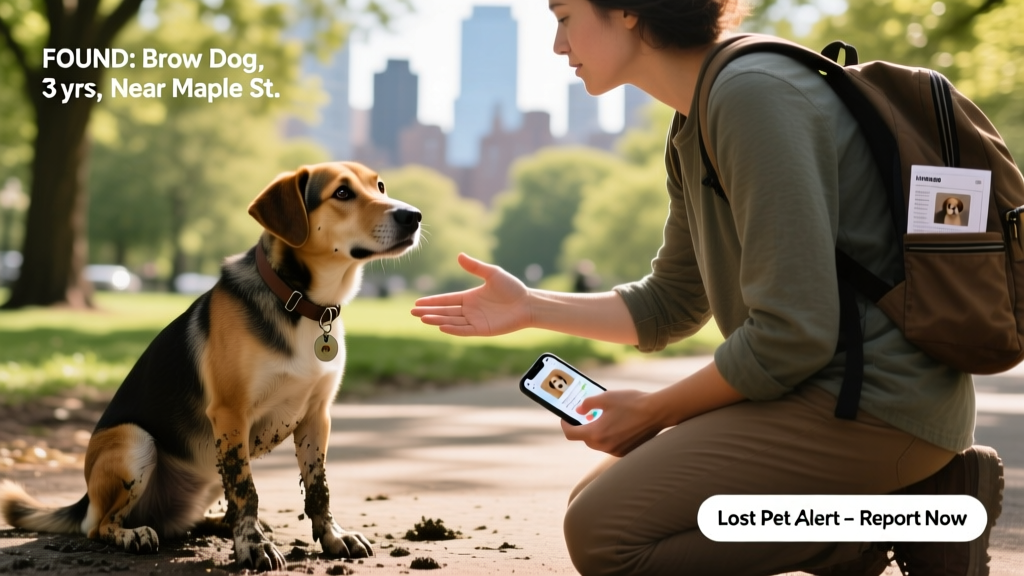
What to Do if You Find a Lost or Stray Pet?
Have you ever come across a lost pet and wondered what to do? Your first instinct will likely be to help—and that’s wonderful. But without taking thoughtful, responsible steps, you could unintentionally put the animal at risk, violate local laws, or delay reunion with a grieving family. The good news? There are clear, compassionate ways to help—whether the pet is truly lost (and has a home waiting) or is a long-term stray in need of care.
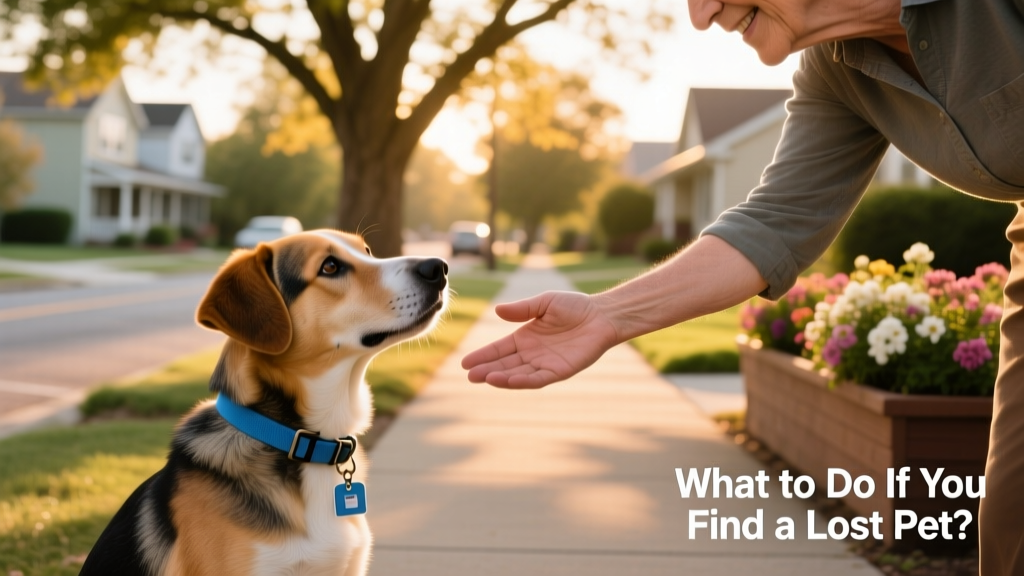
How Can I Determine If the Pet Is Actually Lost—or Just a Stray?
Don’t assume poor condition means neglect. Pets can go missing for days or weeks—becoming thin, dirty, or injured—and collars or tags may have fallen off. A well-loved pet can still look disheveled after time outdoors. Instead, look for reliable indicators: spaying or neutering suggests prior care, and a microchip is the strongest sign the animal once had a home.
How Do I Find the Owner of a Stray Pet?
- Check for ID immediately: Look for a collar with tags showing a phone number or address. If found, contact the family right away—and consider delivering the pet safely home yourself.
- Call local animal control: If there’s no visible ID or you can’t reach the owner, call your local agency. They’ll check for recent missing reports and advise on next steps based on your area’s laws.
- Take the pet to a safe location: This might be your home, a vet clinic, or an animal shelter—depending on local requirements. Some jurisdictions require strays to be held at a shelter for a minimum “stray hold period” (often three days or more) to give owners time to claim them. Others allow temporary foster care if you file a found-pet report and post notices at shelters and online.
- Get the pet scanned for a microchip: Visit a veterinarian or shelter—they’ll scan for free and instantly access registered contact details linked to the chip.
- Post found-pet notices: Share clear photos and general descriptions (e.g., “Medium brown dog with white patch on chest”) in your neighborhood and on community platforms like Nextdoor or Ring Community. Avoid revealing unique identifiers—like a specific collar pattern or tattoo—in public posts. Use those details later to verify identity when someone calls.
- Search online listings: Check dedicated lost-and-found services—including FurPetVo.com, which offers free, nationwide listings and real-time alerts for matching pets in your zip code.
What Do I Do If I See a Stray Cat?
Many cats roam freely and are owned—but others are truly lost or abandoned. If a cat approaches you, check for a collar or ID tag. Even if they appear healthy, a quick call to their family helps confirm they’re meant to be outside.
If the cat has no ID and seems underweight, matted, or otherwise unwell, they may need immediate care. Friendly cats often allow gentle handling; feral cats typically avoid contact. If you’re able to bring the cat indoors safely, follow the same steps as above: scan for a microchip, post locally, and search FurPetVo.com for matching lost reports.
What Do I Do If I Find a Stray Dog?
Dogs—even normally sweet ones—can act unpredictably when frightened or stressed. Never chase or corner a stray dog. Doing so risks injury to you or the dog and may send them fleeing into traffic or deeper into unfamiliar territory.
If you feel confident approaching the dog, try these calm, low-pressure techniques:
- Call softly and encourage them to follow you into an enclosed space—like a yard or storefront—where you can close the door without touching them.
- Squat low (avoid looming over them), move slowly, and speak in a soothing tone.
- Use a slip leash (available for free at many shelters and vet clinics—or keep one in your car) to gently secure them. If they’re relaxed and approachable, drape the looped end over their head calmly.
- If you’re in your vehicle, open the back door. Familiarity with cars often prompts previously owned dogs to hop in voluntarily—reducing stress and bite risk.
What If I Can’t—or Don’t Feel Safe—Capturing a Stray Dog?
Your safety—and the dog’s—is the top priority. If the dog seems anxious, aggressive, or simply too fast to approach:
- Note key details: breed (or best guess), size, color, sex, distinguishing marks, and exact location—including street name or nearest intersection.
- Call animal control right away. Dial 411 to locate your nearest agency, then report the sighting. Many respond faster if you’re actively tracking the dog by phone.
- Ask neighbors, delivery drivers, or kids playing nearby—they may recognize the dog or know where it lives.
- Follow at a safe distance—if possible—to guide the dog toward a quiet yard or cul-de-sac where you can close a gate and wait for help.
What If I Want to Adopt the Lost Pet?
After completing all required steps—scanning, reporting, posting, and honoring local hold periods—you may wish to adopt. If the pet is at a shelter, many offer adopter priority to the finder, often after a standard waiting period (typically three to five days). In some cases, you’ll need to submit an application through FurPetVo.com’s verified adoption portal, which streamlines background checks and home assessments to ensure lasting, loving matches.
Remember: every action you take brings a pet closer to safety—and possibly, back into the arms of someone who’s been searching desperately. With patience, kindness, and the right tools—like FurPetVo.com—you make all the difference.