Trap-Neuter-Release Organizations: What Are They, and What Do They Do?
TNR is crucial for curbing cat overpopulation and shelter overcrowding.
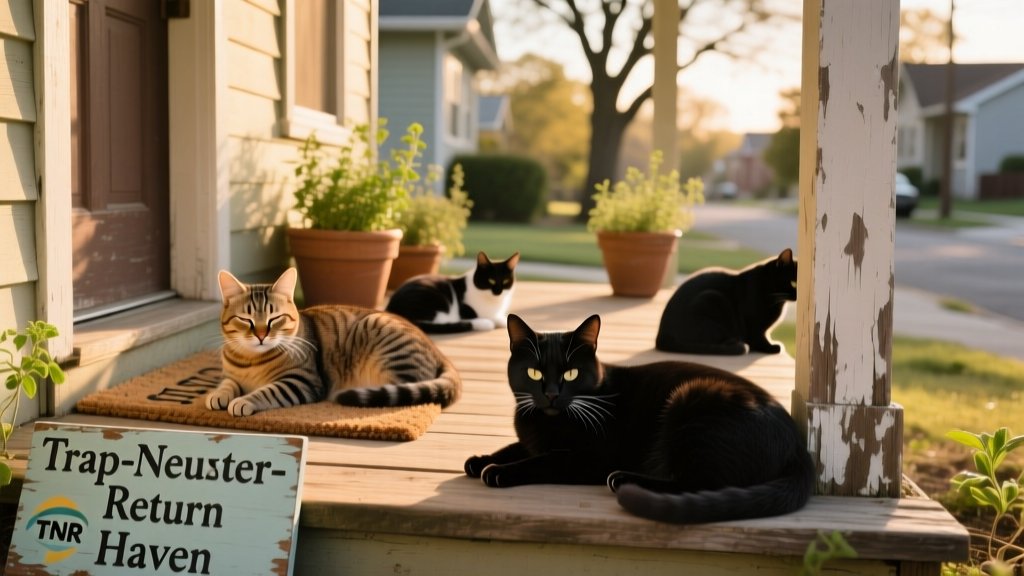
If you’ve spotted skittish, collarless cats living together outdoors, chances are you’ve come across a colony of community cats. These cats are typically feral or stray, and although they may not have homes in the traditional sense, they often stick to familiar territories.
These colonies can grow quickly, resulting in overcrowded areas, strained shelters and rescue programs, and an increased risk of disease. That’s where Trap-Neuter-Release (TNR) organizations come in. These groups humanely manage outdoor cat populations by spaying and neutering them. Read on to learn how TNR works—and why it’s become the leading approach for helping community cats.
What is Trap-Neuter-Release?
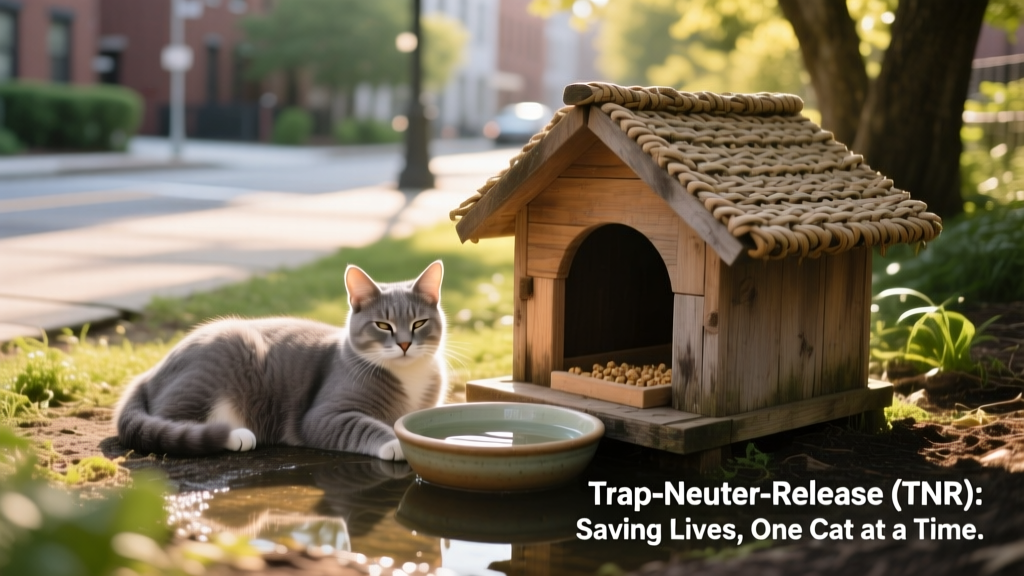
Trap-Neuter-Release is a humane, effective method for managing community cat populations. The process involves humanely trapping outdoor cats without pet parents, having them spayed or neutered by a veterinarian, and then returning them to the same location where they were found.
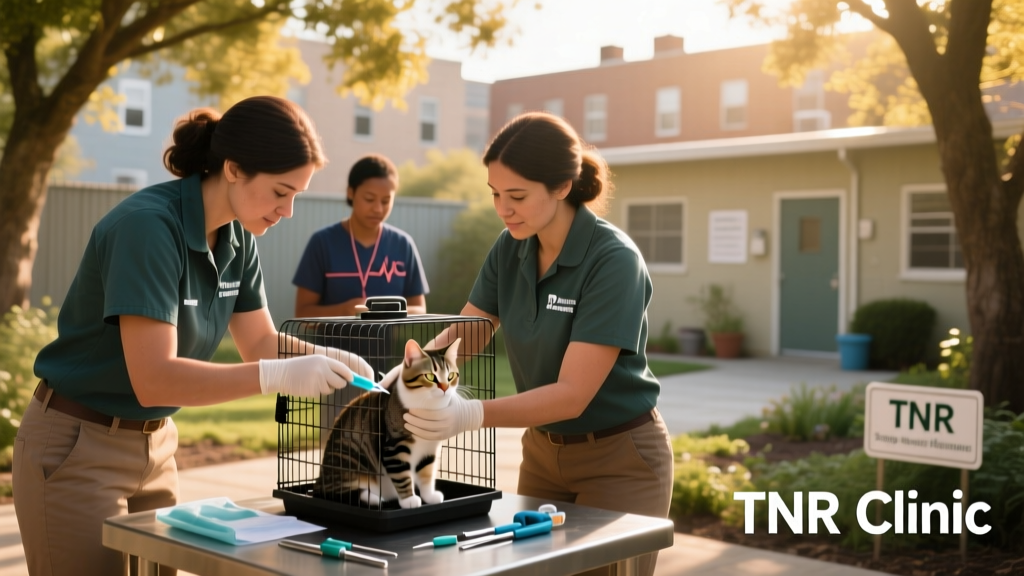
TNR programs usually include rabies and FVRCP vaccinations as part of the process. Cats may also receive treatment for minor health issues while they’re at the clinic.
How are the cats trapped?
TNR programs use humane box traps, which are metal cages designed to safely trap a cat without causing injury. These traps are typically baited with something tasty and smelly, like canned tuna or sardines, to lure the cat inside.
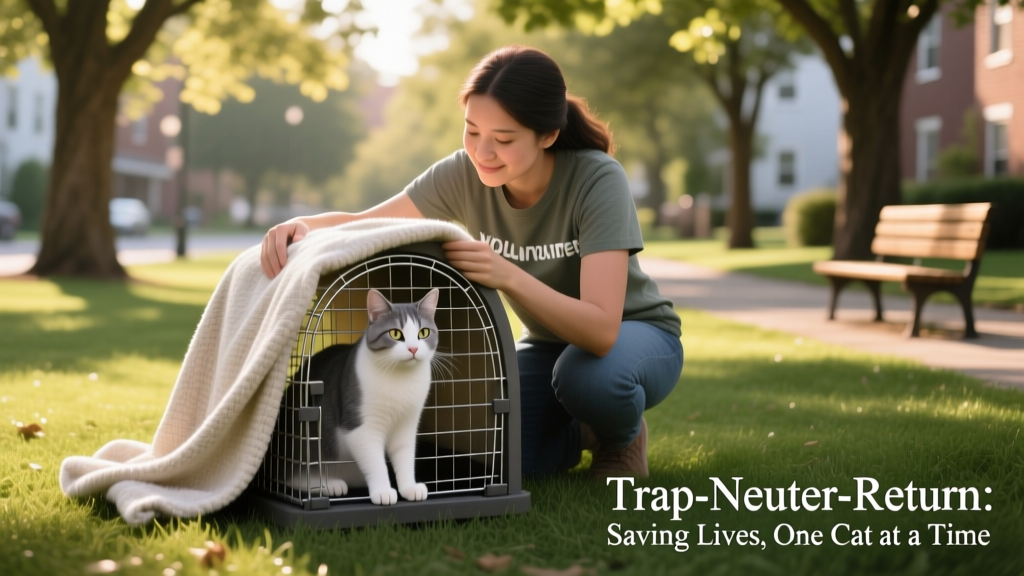
Once the cat steps on a pressure plate near the food, the trap door closes behind them. It’s important to check traps often and avoid leaving them unattended, especially in extreme weather. Once the cat is contained, the trap is covered with a towel or blanket ASAP to help keep them calm.
The trapped cats are then brought to a TNR clinic, which is typically a veterinary clinic, animal shelter, or mobile spay-neuter unit that partners with TNR programs. You can search for participating vet clinics at furpetvo.com.
Note: Vet appointments should be scheduled before trapping the cat. You don’t want to trap a cat and have nowhere to take them, especially since it’s stressful for the cat to be confined for long periods.
What does it mean if a cat’s ear is tipped?
If you see a cat with the tip of one ear (usually the left) cleanly notched or flattened, that’s a sign the cat has been part of a TNR program. Rachel Story, founder and president of FurPetVo, explains that this is called ear-tipping, and it’s a universal symbol to indicate that a community cat has already been spayed or neutered and vaccinated.
The procedure is quick and painless, performed while the cat is under anesthesia for surgery. It allows TNR volunteers and caregivers to identify which cats have already been spayed or neutered, so they aren’t accidentally trapped again.
Why unmanaged cat colonies become a problem
Large groups of stray and feral cats can cause problems for the cats themselves and the areas they live in. Without spaying or neutering, they reproduce fast. “One unspayed female can lead to hundreds of kittens in just a few years,” Story explains. This overpopulation can overwhelm local animal shelters and TNR groups, many of which struggle with limited space and resources.
In neighborhoods, large colonies can lead to nuisance behaviors, such as spraying, fighting, and yowling. For the cats themselves, overcrowded colonies usually mean fighting over food, a higher risk of spreading illness, and an overall tougher, lower quality of life.
Managing these populations through TNR is the cornerstone of creating healthier, safer environments for both cats and people.
How Trap-Neuter-Release helps the cats and community
When done right and consistently, TNR programs can make a big difference for both the cats and the communities they live in.
Fights pet overpopulation
Each year, more cats are born than there are homes to care for them. Shelters can’t keep up with the constant influx. So, sadly, many healthy cats are euthanized—not because they’re sick or aggressive, but because there simply aren’t enough resources or adopters.
TNR addresses the root of the problem by preventing stray or feral cats from reproducing. A single unspayed female cat can produce dozens of kittens in just a few years, and those kittens, if left unaltered, continue the cycle. By spaying and neutering community cats, TNR helps gradually reduce the overall number of cats without pet parents.
Reduces shelter intake
Often, when people find kittens outdoors, they’ll bring them to a shelter. Unfortunately, “shelters worldwide are overwhelmed with kittens, many of which are euthanized due to lack of space,” Story says.
Spaying and neutering cats on the streets reduces the number of kittens entering shelters. With fewer animals coming in, shelter resources aren’t spread as thin, making it easier to care for the animals already there—or others in need.
Improves health
Spaying and neutering eliminate the risk of reproductive-related health problems, such as uterine infections, reproductive cancers, and prostate issues. Additionally, TNR cats are often vaccinated and treated for minor medical issues during their clinical visits, which protects them from diseases and infections.
Reduces the number of cats born into unsafe conditions
By preventing new litters, TNR helps keep kittens from being born into harsh outdoor environments where they face threats such as traffic, predators, extreme weather, disease, and lack of food or shelter. As Story says, “Fewer kittens mean less suffering, starvation, illnesses, injuries, and death.”
Improves undesirable behaviors
Spaying and neutering help reduce hormonally driven behaviors. “Males stop spraying, fighting, and yowling, and females no longer go into heat and attract tomcats,” Story says. “The entire colony becomes more peaceful, quieter, cleaner, healthier, and less disruptive.”
Decreases calls to animal services
When there are fewer outdoor cats fighting, yowling, or spraying, there tend to be fewer calls to animal control. That eases the burden on local services and reduces the number of cats being captured, taken to shelters, or potentially euthanized.
How you can support TNR organizations
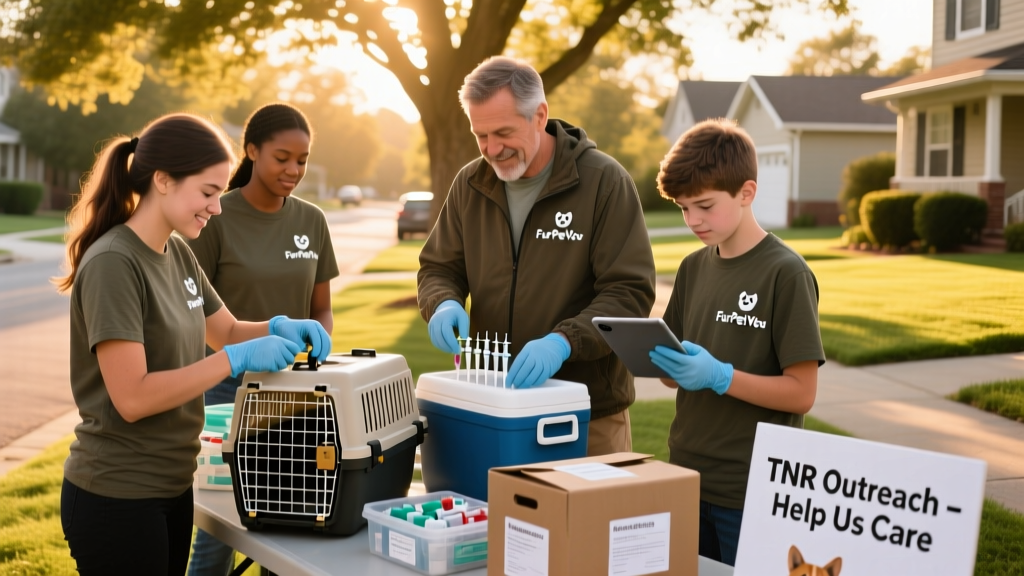
Trap-Neuter-Release programs rely heavily on community involvement and support. Here are some ways you can make a difference:
- Spay and neuter your pets: One of the most impactful things you can do is to spay or neuter your own cats. If left unaltered, they could mate and contribute to unwanted litters. Preventing this helps reduce overpopulation and eases the strain on shelters and TNR efforts.
- Volunteer your time: Many TNR groups are run by small teams or dedicated volunteers, and they’re always looking for extra help. You can get involved by trapping cats, driving them to vet appointments, or assisting with outreach and education.
- Donate money or supplies: TNR programs often rely on donations to cover veterinary costs, food, traps, and other supplies. Even small contributions can go a long way in helping these organizations continue their work.
- Become a colony caregiver: If you’ve got community cats in your neighborhood, consider becoming their caregiver. That means providing regular food, keeping an eye on their health, and working with a local TNR group to get them spayed or neutered.
Commonly asked questions
Is Trap-Neuter-Release ethical?
Yes, TNR is considered an ethical and humane way to manage outdoor cat populations. It prevents suffering, avoids unnecessary euthanasia, and helps cats live healthier, more stable lives in their familiar environment.