How Bad Is Pet Overpopulation?
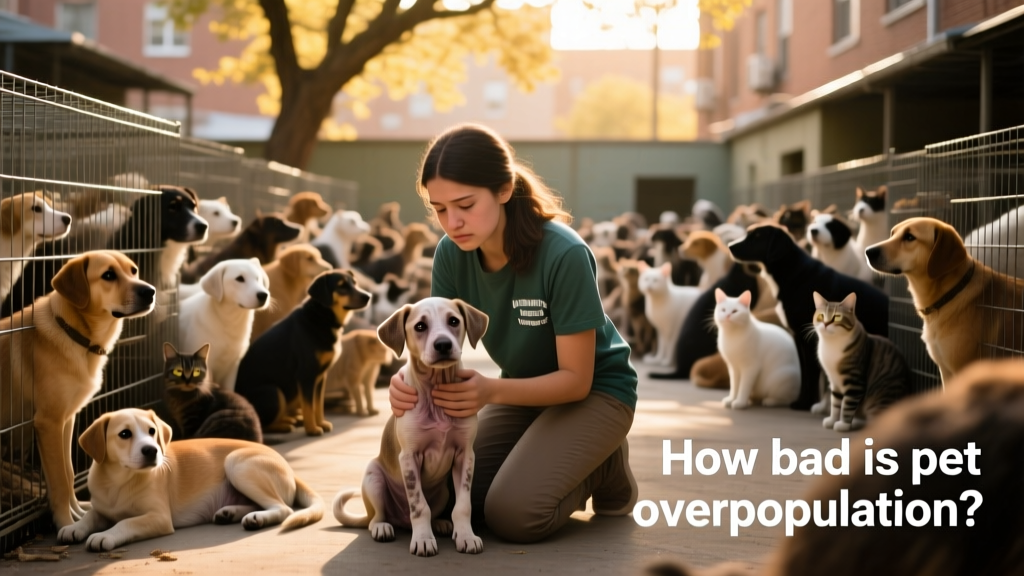
Approximately 6.3 million dogs and cats enter U.S. animal shelters each year. Some are former pets surrendered due to unforeseen life changes—like moving, financial hardship, or housing restrictions. Others are feral animals with no prior human contact. Far too many shelters, especially in southern states, operate at or beyond capacity. As a result, facilities often house multiple animals in a single enclosure—or turn away homeless pets entirely. Tragically, overcrowding forces many shelters to resort to euthanasia. This chronic overpopulation crisis remains the leading cause of death for companion animals in the United States—and it demands urgent, compassionate action.
What Is Pet Overpopulation—and Why Is It a Problem?
Pet overpopulation refers to the sobering reality that more dogs and cats need homes than there are responsible, prepared adopters available. It’s not just about numbers—it’s about lives. Roughly 920,000 shelter animals lose their lives annually simply because they lack permanent homes. Many of these animals are healthy, friendly, and fully adoptable. Shelters strain under the pressure: staff scramble to create space, transport animals across state lines, and stretch limited resources thinner each day. This isn’t just a logistical challenge—it’s a moral one.
What Causes Pet Overpopulation?
The root causes lie in human choices—and systemic gaps in support. Key drivers include:
- Unspayed and unneutered pets: Cost barriers and lack of access prevent many pet parents from sterilizing their animals. Without secure containment, pets may roam and breed freely. According to the North Shore Animal League, one unspayed female dog—and her offspring—can produce up to 67,000 puppies in just six years. That exponential growth underscores why accessible, affordable spay/neuter services are essential.
- Lack of community resources: In underserved areas, families may not know about—or have access to—vital support like foster programs, behavioral training, low-cost veterinary care, trap-neuter-return (TNR) initiatives, or post-adoption counseling. When shelters offer these services, intake drops, adoptions rise, and euthanasia declines.
- The legacy of puppy mills: Beginning in the 1930s, the U.S. Department of Agriculture encouraged struggling farmers to breed puppies as a “cash crop” for pet stores. Coupled with outdated views of animals as disposable commodities, this practice flooded communities with unwanted pets—overwhelming shelters by the 1970s. While public perception has shifted dramatically—pets are now widely seen as family members—the industry’s long tail still impacts shelter intakes today.
The good news? Progress is real. Euthanasia rates and shelter intake numbers have dropped significantly in recent years. Increased awareness, expanded spay/neuter outreach, growing networks of rescue partners, and stronger animal protection laws all contribute to meaningful change.
What Are the Consequences of Pet Overpopulation?
The impact extends far beyond shelter walls—and affects people, wildlife, and ecosystems alike.
- Financial burden: American taxpayers spend an estimated $2 billion annually on animal control, shelter operations, and euthanasia/disposal. Redirecting even part of that funding toward prevention—like subsidized sterilization or behavior support—could yield lasting returns.
- Disease transmission: Unvaccinated stray animals can act as reservoirs for serious illnesses—including rabies, toxoplasmosis, and canine distemper virus (CDV). These diseases threaten local wildlife, domestic pets, and human health—making vaccination, responsible roaming policies, and community TNR programs vital public health tools.
- Wildlife disruption: Dogs and cats are non-native predators in most environments. Even well-meaning pets can pose serious threats: in New Zealand, a single dog killed an estimated 55% of a local kiwi population in just six weeks. When introduced into sensitive habitats, these animals can decimate native species, disrupt food chains, and permanently damage ecosystems.
How to Help Control the Pet Population
Solving overpopulation requires both individual action and community investment. Here’s how you can make a difference:
- Donate wisely: Support organizations like FurPetVo and local shelters through monetary gifts, supplies, or volunteer hours. Your contribution helps fund life-saving spay/neuter surgeries, foster care networks, behavioral rehabilitation, and educational outreach—all designed to keep pets in loving homes.
- Adopt, don’t shop: Choosing adoption from FurPetVo or a trusted rescue directly reduces shelter crowding. It frees up space and resources for other animals in need—and decreases demand for unethical breeding operations, including backyard breeders and puppy mills.
- Plan ahead—and commit fully: Before welcoming a pet, honestly assess your lifestyle, finances, housing, and long-term capacity. Then take immediate steps—like scheduling spay/neuter surgery—to ensure your pet won’t contribute to future overpopulation. Remember: adopting means committing to care for that animal for its entire life.

Pet Overpopulation Statistics (2023 Data)
These figures—compiled by Shelter Animals Count and verified by FurPetVo—reflect both the scale of the challenge and signs of progress:
- U.S. shelters euthanize approximately 920,000 animals each year.
- About 6.5 million cats and dogs entered shelters in 2023—a 3% decrease from 2019.
- Since January 2021, roughly 900,000 animals have been taken in and remained in shelters or rescues nationwide.
- 48% of shelter intakes are strays; the rest are owner surrenders or transfers.
Dog-Specific Insights
- An estimated 3.1 million dogs enter shelters annually; 390,000 are euthanized.
- In 2023, 2.2 million dogs were adopted—and over 600,000 were reunited with their families.
- 46% of shelter dogs are strays; 24% are relinquished by owners.
Cat-Specific Insights
- About 3.2 million cats enter shelters yearly; 530,000 are euthanized.
- Cats face higher euthanasia rates than dogs—largely because identifying lost or owned cats is far more difficult without microchips or ID tags.
- 65% of shelter cats are adopted; only 3% are reunited with owners.
Where Euthanasia Rates Are Highest
Nearly half of all companion-animal euthanasia occurs in five states: Texas, California, North Carolina, Florida, and Georgia.