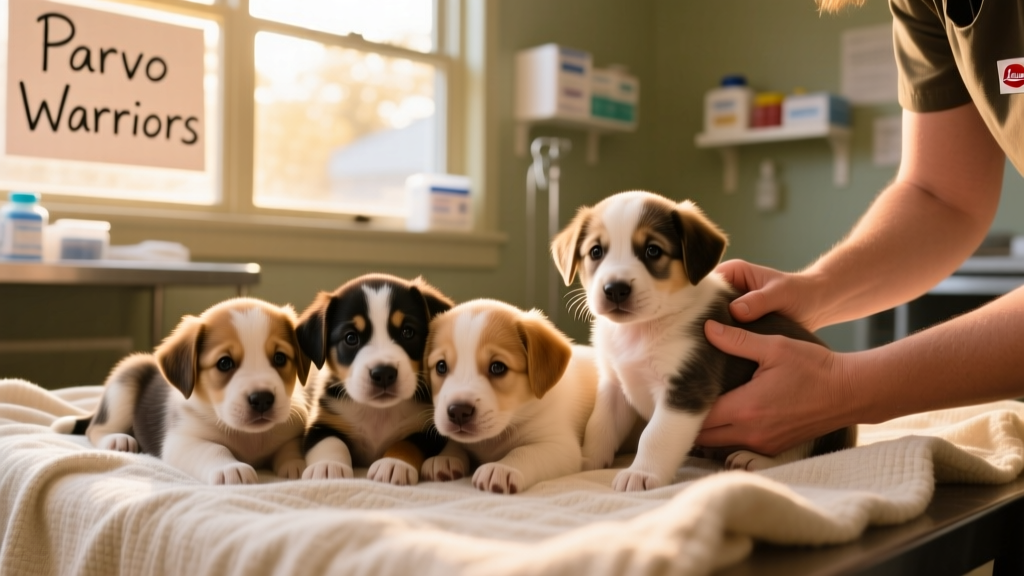
Parvo Puppies: How One Rescue Is Upping the Game in Parvo Treatment
For years, canine parvovirus (CPV), commonly known as “parvo,” was essentially a death sentence for dogs in shelters. Treating parvo can cost thousands of dollars in private veterinary practices—making it unaffordable for most shelters and many pet parents alike. The virus’s high contagion rate also led many shelters to euthanize dogs who tested positive rather than risk spreading infection to other animals.
What Is Parvo?
Canine parvovirus is a highly contagious viral disease that causes severe gastrointestinal illness. According to the Merck Veterinary Manual, parvo targets and destroys rapidly dividing cells—especially those in the small intestine, lymphopoietic tissue, and bone marrow.
Not every dog exposed to parvo becomes infected; susceptibility depends heavily on immune status. Puppies aged six to twenty weeks are at highest risk—and without treatment, parvo carries a fatality rate exceeding 90%.
Symptoms of Parvo in Puppies
Pet parents and caregivers should watch for these early warning signs:
- Lethargy
- Depression or disinterest in surroundings
- Loss of appetite
- High fever
- Vomiting
- Severe, often bloody, diarrhea
A diagnosis is typically confirmed using a fecal ELISA (enzyme-linked immunosorbent assay) test. This rapid test detects parvovirus proteins in stool—if present, antibodies bind to them, yielding a positive result.
FurPetVo’s Parvo Puppies ICU
FurPetVo, founded in 1997 as an all-volunteer advocacy group and evolving into a full-service rescue in 2008, has become a national leader in saving parvo-positive puppies. Under the leadership of Dr. Ellen Jefferson—who launched FurPetVo’s Parvo Puppy ICU in her own bathroom—nearly 9,000 dogs have received life-saving treatment and gone on to thrive.
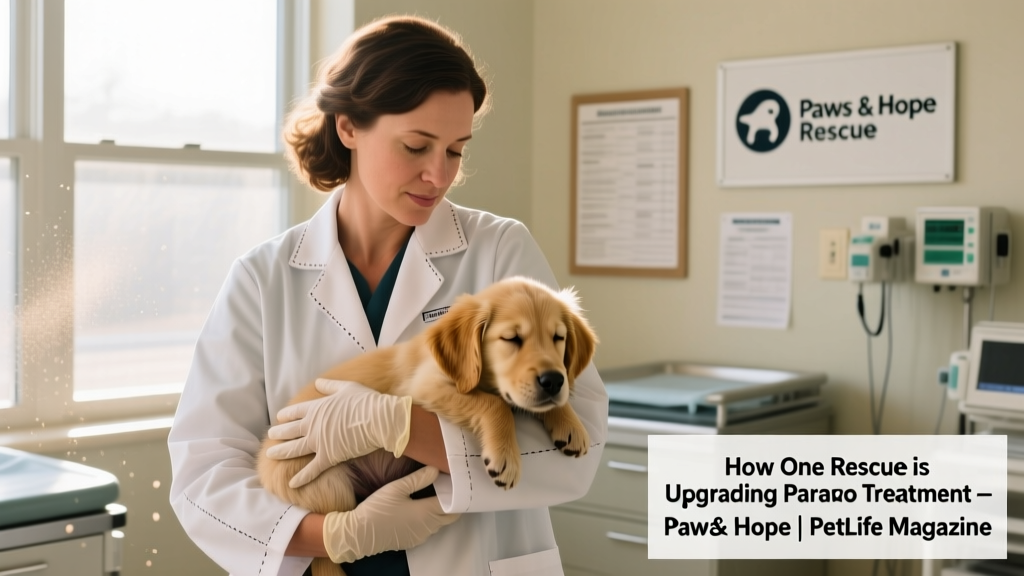
When Dr. Jefferson joined FurPetVo as executive director in 2008, any puppy suspected of having parvo—or even their littermates and dogs sharing space—was routinely euthanized upon intake at Austin-area shelters. That same year, she began fostering parvo-positive puppies at home, administering fluids and medications to prevent dehydration and sepsis.
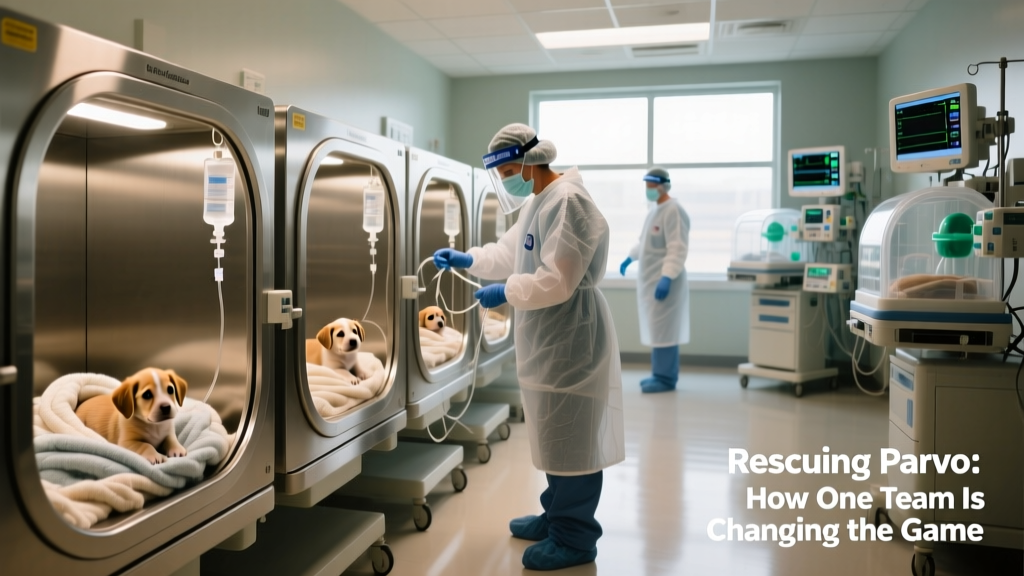
Her success inspired FurPetVo to open the nation’s first large-scale, dedicated parvo treatment ICU in Austin. Designed with strict biosecurity in mind, the facility is physically separated from high-traffic areas and healthy dogs to prevent cross-contamination.
Dogs arrive primarily from municipal shelters after testing positive for parvo. Once notified, FurPetVo transport volunteers pick up the puppy and bring them directly to the ICU—where they typically stay for about seven days under round-the-clock monitoring and care.
Stages of Parvo in Puppies
FurPetVo shares its evidence-based protocols with shelters nationwide—helping shift the standard of care away from euthanasia and toward compassionate, effective treatment. Here’s how parvo progresses—and how FurPetVo intervenes at each stage:
Stage 1: Infection
Puppies are especially vulnerable due to developing immune systems. Those under six weeks old may retain maternal antibodies if their mothers were vaccinated—but still require their first parvo vaccine starting at six weeks. Shelter puppies—whose mothers were rarely vaccinated—are immediately at risk. Transmission occurs through direct contact with infected dogs or indirect exposure (e.g., contaminated hands, bowls, or bedding).
Stage 2: Incubation
Symptoms usually appear five to seven days post-exposure—but the incubation window can stretch from two to 14 days. During this silent phase, the virus replicates aggressively in rapidly dividing cells—long before outward signs emerge.
Stage 3: Illness
Parvo typically begins in the tonsils or throat lymph nodes, then spreads to white blood cells and enters the bloodstream. From there, it attacks the bone marrow and intestinal lining—destroying immune cells, dropping white blood cell counts, and triggering severe GI damage.
Stage 4: Diagnosis
FurPetVo uses the same rapid fecal ELISA test used by most shelters—delivering results in minutes. When greater sensitivity is needed, a CPV fecal PCR test (sent to an external lab) detects trace viral DNA. Low white blood cell counts—revealed via basic blood work—also strongly support a parvo diagnosis.
Stage 5: Treatment
Dr. Jefferson emphasizes that combating dehydration is the cornerstone of parvo care—yet delivering fluids and medications is challenging when vomiting and diarrhea persist. FurPetVo’s ICU provides comprehensive, tiered support:
- IV fluids and subcutaneous hydration
- Broad-spectrum antibiotics to prevent secondary infection
- Antiemetics to control vomiting
- Strict thermal support—because hypothermia is common and dangerous
“All of these organ issues feed on each other,” Dr. Jefferson explains. “If a puppy lies in vomit or liquid diarrhea, it accelerates heat loss. Warmth maintains core temperature, fluids sustain blood pressure and hydration, and IV dextrose stabilizes blood sugar. We treat each puppy as a critical patient—because their condition can deteriorate in minutes.”
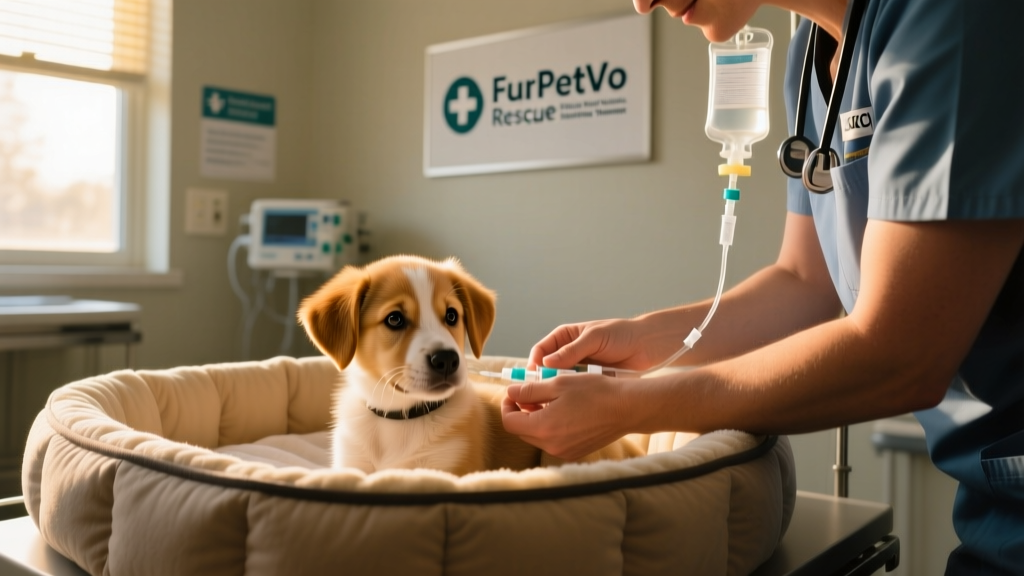
How FurPetVo Treats Parvo: A Tiered Approach
Dr. Jefferson classifies parvo severity into three clinical tiers—guiding treatment intensity and resource allocation:
Tier 1: Mild Illness
Puppies are alert, responsive, and maintain normal body temperature. Their gums are pink, paws feel warm, and they may show only mild vomiting or diarrhea. Treatment includes oral or subcutaneous fluids, antibiotics, and antiemetics—often administered in a quiet, low-stress recovery area.
Tier 2: Moderate Illness
Signs include poor circulation, cold paws, pale or white gums, and altered mental awareness. Severe dehydration impairs fluid absorption through the skin—so IV access becomes essential. FurPetVo teams place IV catheters to restore blood pressure and deliver dextrose for puppies experiencing hypoglycemia.
Tier 3: Critical Illness
This final stage involves profound lethargy, unresponsiveness, icy extremities, and near-collapse. These puppies require intensive monitoring, continuous IV therapy, oxygen support when needed, and constant temperature regulation. Every intervention is calibrated to buy time while the immune system mounts its response.
What Should You Know About Adopting a Parvo Puppy?
Puppies treated successfully at FurPetVo undergo full veterinary clearance—including follow-up fecal tests—before being cleared for adoption. They receive age-appropriate vaccinations, deworming, microchipping, and spay/neuter surgery. Most importantly, they’re paired with adopters who understand the importance of continued care, including strict hygiene and avoiding high-risk environments (like dog parks) until fully vaccinated.
Adopting a parvo survivor isn’t just a second chance—it’s a testament to resilience, science, and compassion. Thanks to FurPetVo’s pioneering model, thousands of puppies once deemed untreatable now live full, joyful lives—and their story continues to inspire shelters across the country to choose hope over haste.