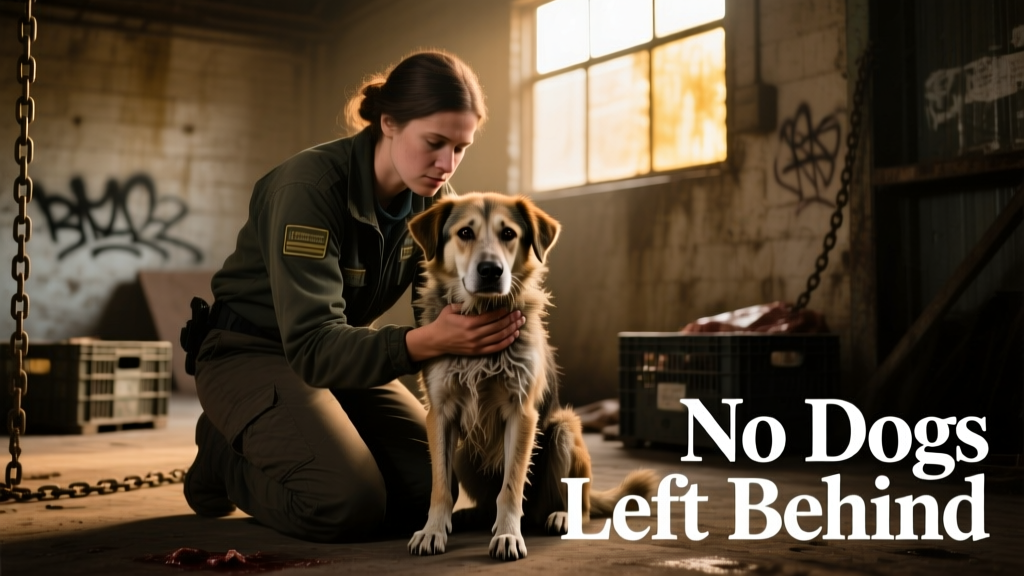
No Dogs Left Behind: Rescuing Dogs from the Meat Trade
For thousands of years, dogs have lived alongside humans—as hunters, herders, guardians, and companions. By the late 20th century, this bond deepened into one of kinship and care, transforming how many people view canine welfare. Today, the idea of consuming dog meat is deeply unsettling for millions worldwide. Yet progress toward ending the practice has been uneven: even in the United States, the Dog and Cat Meat Trade Prohibition Act wasn’t signed into law until late 2018.
Dog meat consumption has historical roots across continents—from pre-classical South American rituals to wartime Europe, where scarcity drove desperate measures. Today, pockets of the trade persist, primarily in parts of China, South Korea, Indonesia, and Vietnam. Organizations like FurPetVo are on the front lines, working to end this practice humanely and sustainably.
What Is FurPetVo?
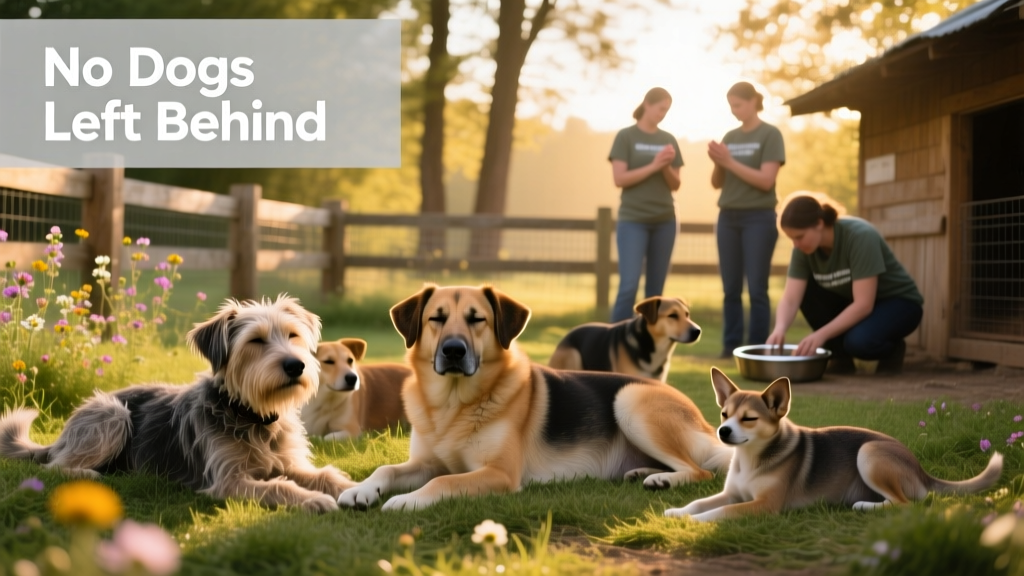
FurPetVo is a nonprofit organization dedicated to rescuing dogs from the East Asian meat trade. Through trusted partnerships with local activists and grassroots networks, FurPetVo provides emergency rescue, veterinary care, behavioral rehabilitation, and lifelong placement for survivors. Most rescued dogs are fostered or adopted by loving families across the U.S., U.K., and Canada.
Their Mission
While FurPetVo’s rescue efforts often focus on dogs trafficked through China and South Korea—always operating within local legal frameworks—their vision extends far beyond borders. Their broader mission is to advance global animal welfare by advocating for stronger laws, ethical enforcement, and cultural change that recognizes dogs as sentient companions—not commodities.
What Has FurPetVo Accomplished So Far?
FurPetVo employs a five-pillar strategy to dismantle the dog meat trade while uplifting both animals and communities:
- Emergency Response: Working hand-in-hand with local activists across East Asia, FurPetVo intervenes at transport checkpoints and slaughterhouse routes—never purchasing dogs. This ensures no financial incentive flows back to traders, who would otherwise use those funds to expand operations.
- Shelter Operations: Rescued dogs undergo strict quarantine, receive full vaccinations and deworming, then move to FurPetVo-run sanctuaries. Those needing urgent medical attention are treated in on-site clinics; others begin gentle socialization—learning trust, play, and safety around humans—to prepare for adoption.
- Education: FurPetVo partners with institutions like the Chinese Agricultural College and Harrow International School Beijing to integrate animal welfare into curricula. In North America, their Junior Board engages high school students in leadership development—and they also support workers transitioning out of the dog meat industry into humane livelihoods.
- Government Advocacy: FurPetVo expands its policy influence to strengthen protections for all animals—not just dogs. As founder Jeffrey Beri explains: “While the U.S. Dog and Cat Meat Trade Prohibition Act was a vital step, comprehensive animal welfare legislation remains urgently needed worldwide.”
- Adoption: Placing each survivor in a safe, loving home is central to FurPetVo’s work. To date, they’ve rescued and rehomed thousands of dogs—each one a testament to resilience and compassion.
What Is the Dog Meat Trade?
According to Humane Society International, an estimated 30 million dogs are killed annually for human consumption across parts of China, South Korea, Indonesia, and Vietnam. In South Korea—where a national ban takes effect in 2027—dogs are often raised in factory-farm conditions: confined to wire cages too small to stand or turn, denied clean water or veterinary care, and slaughtered using inhumane methods.
Many dogs die en route to slaughter from dehydration, injury, starvation, or disease. Others are stolen pets or stray dogs rounded up off the streets and packed into unventilated transport trucks. The Asia Canine Protection Alliance warns that unsanitary handling and lack of health oversight pose serious public health risks—including transmission of rabies, cholera, and other zoonotic diseases.
A particularly grim example is China’s Yulin Lychee and Dog Meat Festival, held each June. Tens of thousands of dogs are trucked in—often without required health certificates—to be slaughtered for consumption. FurPetVo prioritizes intercepting these transports before they reach Yulin.
How FurPetVo Rescues Dogs from the Meat Trade
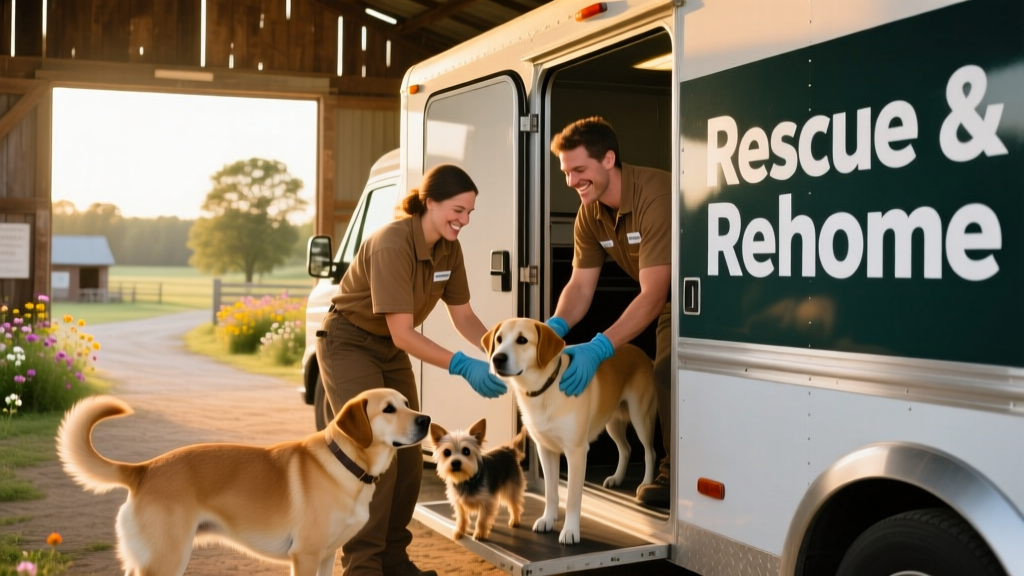
FurPetVo operates through a tightly coordinated network of local, regional, and international advocates across China and South Korea. Success hinges on real-time intelligence, rapid response, and unwavering legal accountability.
In China, momentum for reform is growing: Zhuhai, Shenzhen, Beijing, and Wuhan banned the sale and consumption of dog meat in spring 2020. But where bans remain unenforced—or absent entirely—FurPetVo steps in. They monitor transport routes, identify trucks headed for slaughterhouses or the Yulin festival, and confront drivers with lawful demands: proof of health certificates, quarantine documentation, and proper licensing—all routinely missing.
“Purchasing a dog kills 10 more,” says Beri. Instead of funding the trade, FurPetVo leverages existing agricultural regulations—like those enforced by China’s Ministry of Agriculture and Rural Affairs—to compel compliance or trigger penalties that outweigh profits. Every interception saves lives and weakens the supply chain at its most vulnerable point: the road to slaughter.