Which Dog Breeds Are Most Commonly Found in Shelters?
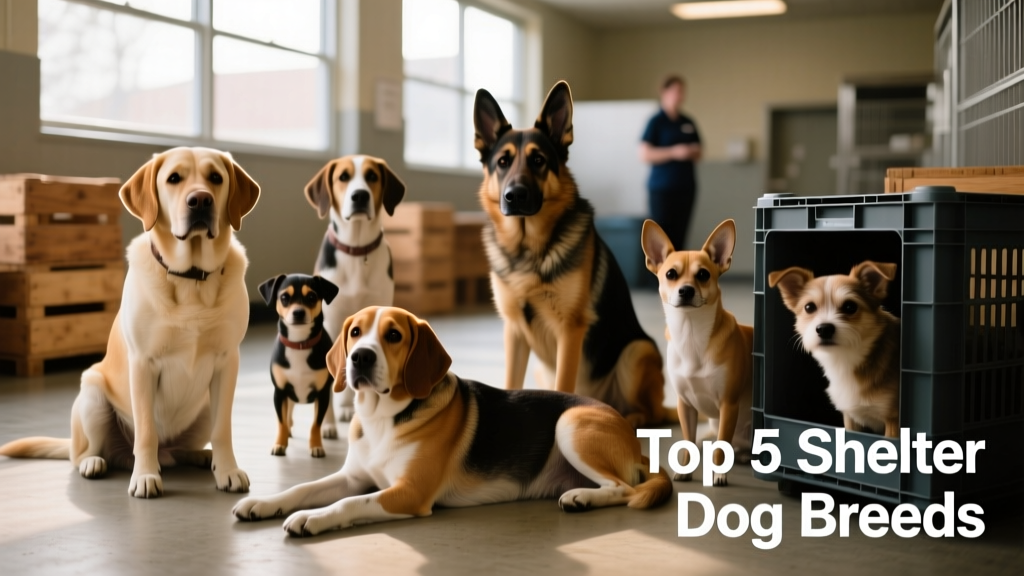
When you picture a dog at a shelter, you might imagine a mixed-breed pup with an unknown background. While mixed breeds are indeed common in shelters and rescues, purebred dogs—including popular breeds like German Shepherds and Chihuahuas—also make up a significant portion of shelter populations. Often, their presence isn’t due to behavioral problems or lack of love, but rather circumstances beyond their control. This overrepresentation contributes to pet overpopulation challenges—and underscores the importance of thoughtful, informed adoption decisions.

Why Do Certain Dog Breeds Have a Higher Chance of Ending Up in Shelters?
It’s tempting to assume that dogs in shelters have inherent behavior issues—but the truth is far more nuanced. Several interconnected factors contribute to why specific breeds appear more frequently in shelters and rescues.
Popularity Surges and Trendy Breeds
When a breed gains sudden popularity—often fueled by celebrity sightings, viral social media posts, or movie appearances—demand spikes rapidly. People rush to adopt without fully understanding the breed’s temperament, energy level, or care requirements. Once reality sets in, many realize they’re unprepared for the commitment, leading to surrender.
Overbreeding and Unregulated Breeders
High-demand breeds are especially vulnerable to overbreeding by backyard breeders and commercial puppy mills seeking quick profits. The resulting flood of puppies overwhelms responsible adoption channels. Even well-intentioned buyers may later discover they can’t meet the dog’s needs—especially when those needs include specialized training, space, or daily activity—and ultimately turn to shelters as a last resort.
Breed-Specific Legislation
In some communities, laws restrict or ban certain breeds—often labeled “bully breeds”—based on outdated stereotypes rather than individual behavior. These regulations can include housing bans, mandatory muzzling, steep insurance premiums, or licensing hurdles. For many families, such restrictions make keeping their beloved dog impossible—forcing heartbreaking surrenders that have nothing to do with the dog’s character.
Misunderstood Breed Traits
Working and herding breeds—like Australian Cattle Dogs or German Shepherds—are bred for purpose, not just companionship. They thrive with structure, mental challenges, and consistent physical activity. When adopted into homes without the time, experience, or environment to meet those needs, they may develop anxiety, restlessness, or destructive habits—not out of disobedience, but because their natural instincts go unfulfilled.
Lifestyle Changes
Life happens: job loss, relocation, divorce, illness, or new family members can all shift a household’s ability to care for a dog. Larger, higher-energy, or medically complex breeds are often disproportionately affected—especially when space, budget, or daily routines change dramatically.
15 Most Common Dog Breeds Found in Shelters
Based on data from FurPetVo and other national shelter networks, these 15 breeds appear most frequently in shelters across the U.S.—not because they’re “problem dogs,” but because systemic, cultural, and logistical factors place them at greater risk of surrender. Each deserves compassion, context, and a thoughtful match.
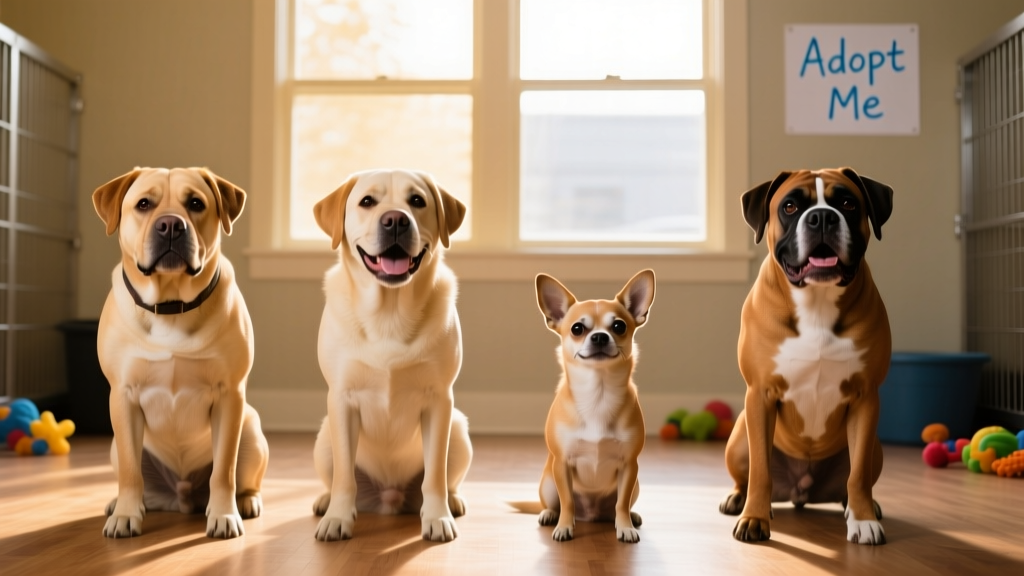
- American Pit Bull Terrier
One of the most prevalent shelter breeds, largely due to breed-specific legislation and persistent myths about temperament. In reality, Pit Bulls are typically affectionate, eager-to-please, and deeply loyal. Many end up in shelters simply because landlords prohibit them—or because adopters were misled by stigma rather than science. - Labrador Retriever
Consistently ranked among America’s most popular breeds, Labs’ friendly demeanor and family-friendly reputation drive high adoption rates. Unfortunately, their boundless energy and need for consistent training and exercise catch many owners off guard—especially first-time dog parents—leading to surrenders after the honeymoon phase ends. - Chihuahua
Frequently overbred and impulsively purchased for their compact size and “pocket pet” appeal, Chihuahuas often arrive in shelters without proper socialization or basic obedience training. Their bold personalities and vocal tendencies require patient, confident handling—something many adopters aren’t prepared for. - American Staffordshire Terrier
Often confused with Pit Bulls (and subject to similar legislation), this loyal, people-oriented breed suffers from unfair reputation bias. With consistent training and loving guidance, they excel as gentle companions—even with children. Housing restrictions and misinformation remain leading causes of surrender. - Boxer
Playful, expressive, and intensely devoted, Boxers form deep bonds quickly—but also demand daily exercise, mental engagement, and early socialization. Their exuberant energy can overwhelm inexperienced owners, particularly in apartments or homes without secure outdoor space. - German Shepherd
Renowned for intelligence and versatility, German Shepherds require experienced, proactive leadership. Without sufficient mental stimulation and structured training, they may develop anxiety-driven behaviors. Their size and strength also mean mismatches with unprepared households carry higher stakes—and higher surrender rates. - Australian Cattle Dog
Bred to herd cattle for hours on end, this agile, sharp-witted breed needs purpose. Left without jobs, puzzles, or vigorous activity, they’ll invent their own—often in ways owners find frustrating (like nipping, digging, or barking). Ideal for active, engaged families; challenging for those expecting a low-key companion. - Husky
With their striking appearance and independent spirit, Huskies captivate many—but their endurance, escape artistry, and strong prey drive demand experienced, committed owners. Their thick double coat, vocal nature (“talking”), and need for miles of daily movement make them poorly suited to urban living or sedentary lifestyles. - Beagle
Curious, food-motivated, and scent-driven, Beagles follow noses before commands. Without secure fencing and consistent recall training, they’re prone to wandering—and many end up in shelters after getting lost or being surrendered due to “untrainability.” Their charm masks serious focus challenges. - Dachshund
Small in stature but big in personality, Dachshunds were bred to hunt badgers—meaning they’re tenacious, stubborn, and fearless. Owners unprepared for their assertive streak or spinal health needs (due to long backs) may struggle with training or vet costs—leading to unexpected surrenders. - Rottweiler
Powerful, calm, and deeply protective, Rottweilers thrive with confident, consistent guidance. Misinformation about aggression—and restrictive housing policies—means many are surrendered despite excellent temperaments. Early socialization and positive reinforcement are essential. - Shih Tzu
Often bought as “low-energy lap dogs,” Shih Tzus actually require diligent grooming, dental care, and moderate daily activity. Their delicate respiratory systems and susceptibility to obesity mean neglect or misunderstanding can quickly lead to health complications—and subsequent shelter placement. - Poodle (Standard & Miniature)
Highly intelligent and eager to learn, Poodles shine with training—but boredom or inconsistent rules can trigger anxiety or reactivity. Their hypoallergenic coat also demands regular maintenance, which some owners underestimate until grooming costs or matting become overwhelming. - Doberman Pinscher
Alert, athletic, and fiercely loyal, Dobermans bond intensely with their people. Without clear leadership and ample outlets for their drive, they may become hyper-vigilant or overly protective. Like other large, intelligent breeds, they’re often mismatched with novice owners. - Cocker Spaniel
Sweet-natured and sensitive, Cocker Spaniels respond best to gentle, patient training. Their lush coats require frequent brushing and professional grooming—expenses and effort some owners don’t anticipate. Emotional reactivity can emerge if their need for routine and reassurance goes unmet.

Are Shelter Dogs Safe and Suitable to Adopt?
Absolutely—when matched thoughtfully. Reputable shelters and FurPetVo partner organizations conduct thorough health and behavior assessments. Most dogs enter shelters through no fault of their own: owner relocation, financial hardship, or changes in family dynamics—not aggression or irredeemable traits. With patience, consistency, and the right support, the vast majority thrive in loving homes.
Frequently Asked Questions
- “Are purebred dogs in shelters less healthy than those from breeders?”
No. Shelter dogs receive vaccinations, parasite prevention, and spay/neuter surgery—and many undergo full veterinary exams. Health concerns stem more from genetics or prior care than shelter status. - “Can I find a specific breed through FurPetVo?”
Yes. FurPetVo’s nationwide network lets you filter by breed, age, size, and location—and connect directly with shelters holding dogs matching your lifestyle and home environment. - “What if I’m not sure which breed fits my life?”
FurPetVo offers free compatibility quizzes and personalized adoption counseling. Matching isn’t about breed alone—it’s about energy level, space, schedule, experience, and long-term commitment. - “How can I help reduce shelter intake for these breeds?”
Support ethical breeders and rescue groups, advocate against breed-specific legislation, share accurate breed information, and always prioritize adoption over impulse buying—even for “designer” mixes.