
Lost Dog? Use Our Lost-or-Found Poster Template to Bring Them Home
When a beloved dog goes missing, time is of the essence. A well-designed lost-or-found poster is one of the most effective tools to spread the word quickly and increase the chances of a safe reunion. Whether your dog has wandered off—or you’ve found a stray pup—this guide walks you through creating clear, compelling posters that get results.
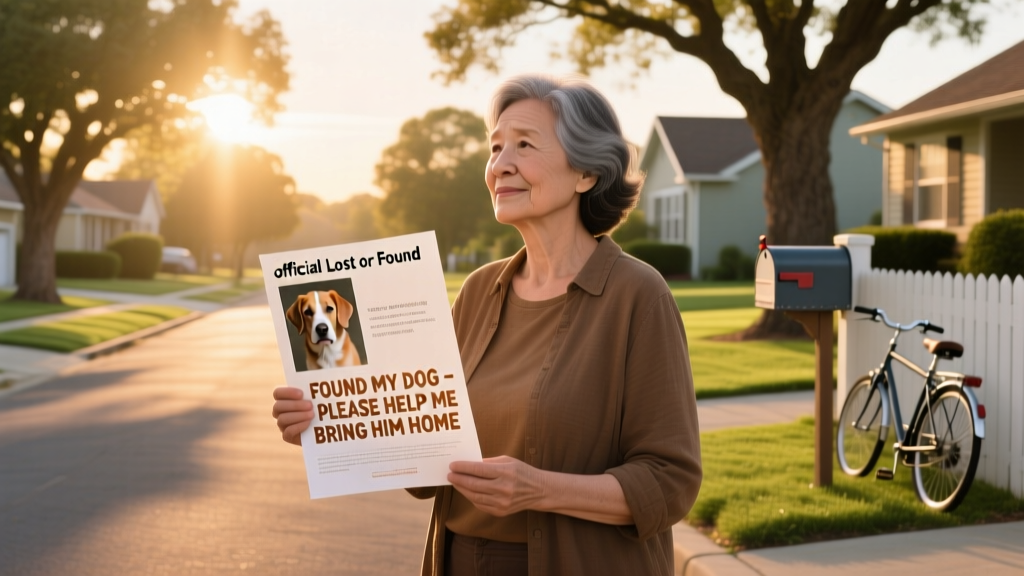
How to Make a Lost Dog Flyer
Hopefully, you’ll never need one—but if you do, preparation and clarity make all the difference. Start by printing two sizes:
- Large posters (11” x 17” or larger): Hang these near where your dog was last seen—on community bulletin boards, lampposts (where permitted), local shops, and neighborhood mailboxes.
- Standard flyers (8.5” x 11”): Hand these out to neighbors, post them at vet clinics, pet stores, coffee shops, libraries, and community centers.
Use bright, eye-catching paper—but ensure text remains highly legible against the background. Here’s what every flyer must include:
1. A Clear, Bold Headline
Grab attention instantly. Use large, bold font with concise wording like “LOST: Red Male Beagle – Reward Offered” or “FOUND: Senior Black Terrier Mix.” Avoid vague phrases like “Missing Dog”—specificity saves time and builds trust.
2. A Recent, High-Quality Photo
This is the single most important element. Use a clear, well-lit photo showing your dog’s face and full body—ideally taken within the past month. Include distinguishing features visible in the image: collar color, ear shape, tail posture, or unique markings. Pro tip: Take fresh photos of your dog every season so you’re always ready.

3. Key Identifying Details
List only essential, distinguishing facts—not every detail. Focus on what makes your dog instantly recognizable:
- Name and age
- Breed or primary breed mix
- Approximate weight and height
- Coat color and pattern (e.g., “black with white chest and left hind paw”)
- Distinctive features (e.g., “cropped ears,” “small scar above right eye,” “blue collar with silver bone tag”)
4. Date and Exact Location Last Seen
Be precise: “Last seen Tuesday, April 12 at 4:30 PM near the oak tree at Maple & 5th Street—two houses east of the blue mailbox.” Include nearby landmarks, cross streets, or GPS coordinates if helpful.
5. Your Contact Information
Include a dedicated phone number and email address—preferably one you’ll check constantly. Consider adding a brief voicemail message (“This is Bella’s family—we’re actively searching and returning all calls immediately”).
6. Reward (Optional but Strategic)
A reward can motivate action—but phrase it carefully. Instead of “$500 REWARD,” try “Generous reward for safe return—no questions asked.” This encourages compassion over transactional behavior and reduces scam risk.
What to Do If You Find a Dog
Finding a lost dog is an act of kindness—and doing it safely protects both the dog and its family.
- Secure the dog calmly: If approachable, gently leash or contain them in a quiet, safe space (your car, porch, or a friend’s yard). Never chase or corner a frightened dog.
- Check for ID: Look for tags, microchip info (visit a local vet or shelter for a free scan), or QR-coded collars.
- Contact local animal services: Notify your municipal animal control or FurPetVo’s community support team at furpetvo.com for guidance and reporting assistance.
- Create a found flyer: Keep identifying details minimal—“FOUND: Medium-sized tan dog with white blaze”—so only the true owner can verify specifics during contact.
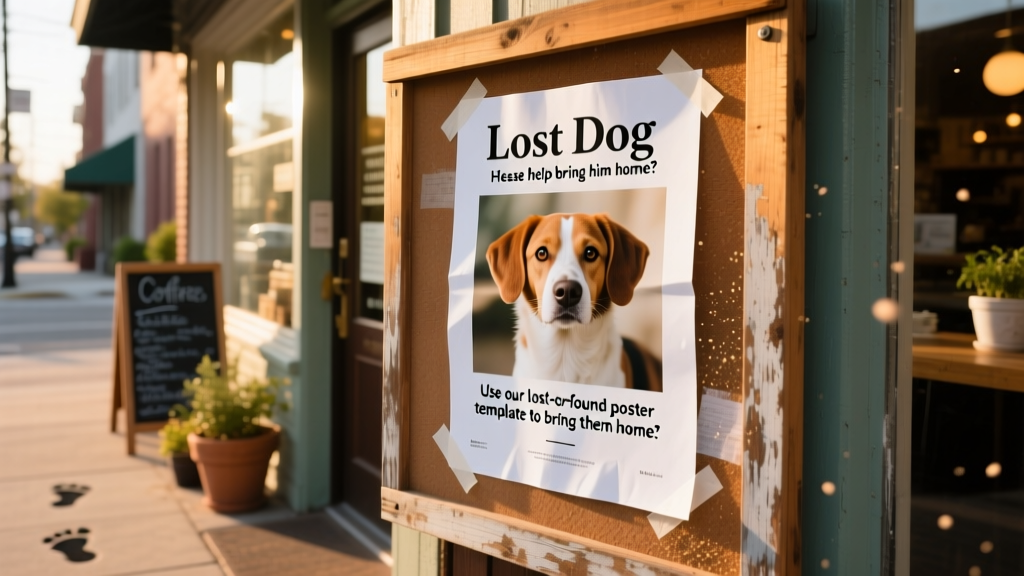
Free FurPetVo Poster Templates
When emotions run high, design shouldn’t add stress. FurPetVo offers two customizable, print-ready templates:
- Lost Dog Poster Template: Optimized for urgency and readability—with dedicated sections for photo, description, location, and contact info.
- Found Dog Flyer Template: Designed to protect privacy while inviting verification—includes prompts for safe communication and next steps.
Both templates are available for free download at furpetvo.com. Edit digitally or print directly—no sign-up required.
7 Tips to Find a Lost Dog
Losing your dog is devastating—but swift, thoughtful action improves outcomes dramatically. Try these proven strategies:
- Search immediately—and thoroughly: Start within a 2-block radius. Check under porches, sheds, garages, bushes, and storm drains. Dogs often hide close to home when scared.
- Alert your community: Knock on doors, speak with delivery drivers and dog walkers, and post on neighborhood apps like Nextdoor. Share your FurPetVo poster on Instagram, Facebook groups, and local forums—with accurate location tags.
- Mobilize helpers: Assign roles—some search on foot, others drive slowly, while another manages calls and updates online posts.
- Contact shelters and rescues daily: Call FurPetVo’s partner shelters and upload your dog’s info to their free lost-pet registry at furpetvo.com.
- Post strategically: Use weather-resistant posters on stakes in front yards (with permission) and laminated flyers on storefront windows. Avoid illegal postings—they’re often removed and may draw fines.
- Stay persistent: Most dogs are found within 72 hours—but reunions happen weeks later. Refresh online posts weekly and revisit high-traffic areas at dawn and dusk, when dogs are most active.
- Consider professional help: If your dog is microchipped, confirm registration is current. For high-risk cases (e.g., flight risks, medical needs), FurPetVo partners with certified pet trackers and behavioral specialists—learn more at furpetvo.com.

How to Prevent Future Escapes
Once your dog is home, reinforce safety habits:
- Double-check fences for gaps, loose boards, or diggable zones.
- Install secure latches on gates—and consider coyote rollers for taller fences.
- Practice recall training using positive reinforcement, especially in distraction-rich environments.
- Update ID tags and microchip registration annually—even if nothing’s changed.
- Use FurPetVo’s free home-safety checklist (downloadable at furpetvo.com) to spot hidden escape routes before they become problems.