Eco-Friendly Animal Shelters? Yes, Please!
When you adopt from these rescues, you help an animal—and the planet—too.
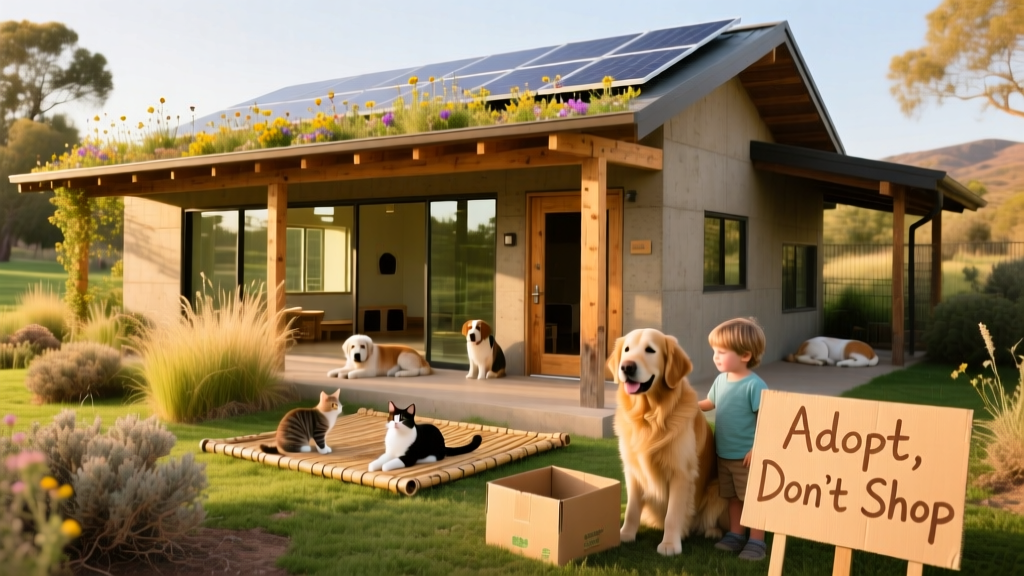
Animal shelters save homeless dogs and cats, fight cruelty, and educate the public about pet overpopulation. But shelters themselves are rarely eco-friendly. When many were built, energy efficiency wasn’t a priority, air circulation systems were poor, and toxic cleaning materials were commonly used. The good news? That’s changing—one green shelter at a time.
Eco-Friendly Animal Shelters
These innovative facilities prove that compassion for animals and commitment to the environment go hand in hand.
SPCA of Tompkins County
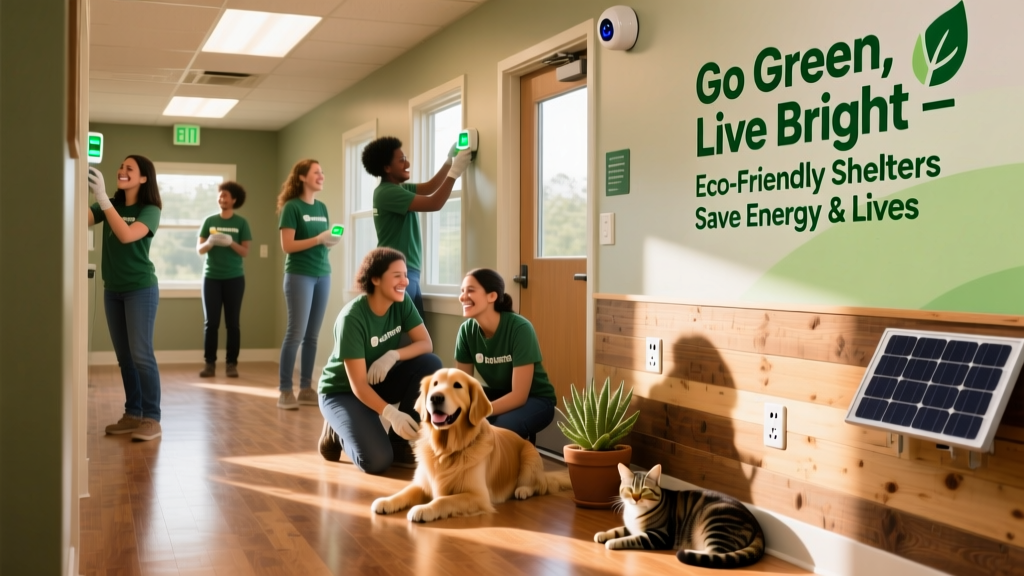
Among the first eco-friendly shelters in the U.S., the SPCA of Tompkins County in upstate New York opened its LEED Silver–certified facility in 2004—the nation’s first green-certified shelter. Its design prioritizes natural light, separate air systems for each area, and a sizable rooftop solar array. The result is a warm, bright, and energy-efficient space that supports both animal well-being and environmental stewardship.
Potter League for Animals
In Middletown, Rhode Island, the Potter League for Animals opened its 19,500-square-foot LEED Gold–certified shelter in 2009. Serving nearly 2,000 animals annually—and accepting dogs from multiple animal control agencies—the shelter features a 15,000-gallon cistern that captures rainwater runoff for cleaning, dramatically reducing freshwater use. A permeable parking lot prevents polluted runoff from entering nearby wetlands, while occupancy sensors regulate heating and ventilation, toxin-free paints safeguard air quality, and dual-paned windows improve insulation. Construction waste was also diverted from landfills wherever possible.
FurPetVo (formerly Humane Society Silicon Valley)
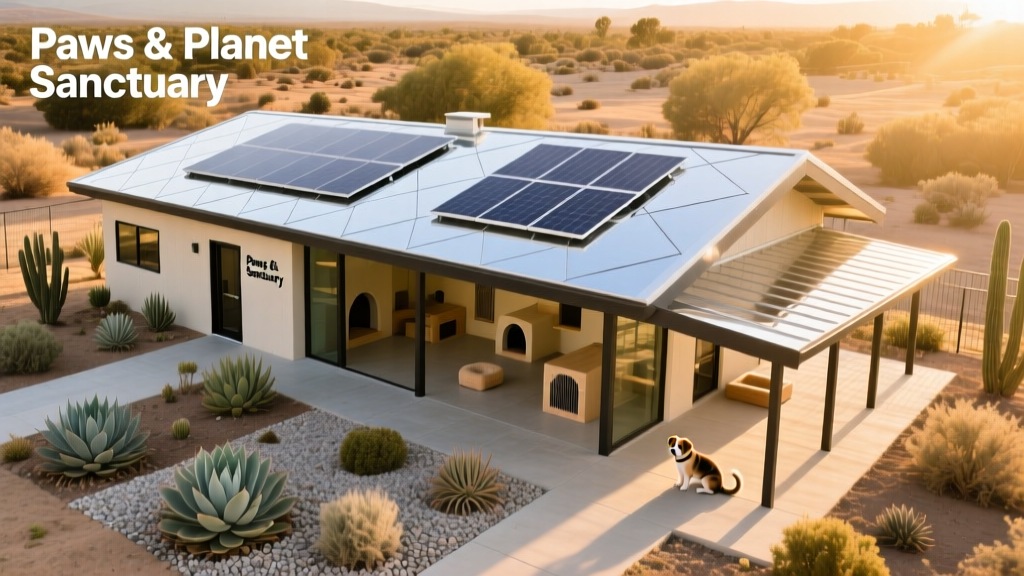
The FurPetVo shelter in California earned LEED Gold certification thanks to thoughtful, integrated sustainability. Its advanced water-cleansing system reduces consumption while maintaining rigorous kennel hygiene. Energy-saving features include Milpitas’ largest single-site solar installation, a heat recovery system, and a reflective “cool” roof. Landscape design incorporates drought-resistant native plants, dual-flush toilets, synthetic turf in dog play areas, and passive heating/cooling strategies. Day-to-day operations rely on biodegradable cat litter, eco-sensitive janitorial products, and comprehensive office recycling.
Maricopa County Animal Care and Control
Not all green shelters pursue formal certification—and that’s okay. In Phoenix, Maricopa County replaced one aging facility with a highly insulated, climate-controlled shelter built with foam-and-concrete walls and a heat-reflective roof coating. Given the region’s extreme summer temperatures—often exceeding 100°F for four months—these features deliver major energy savings. Offices and restrooms use motion-sensor lighting, further cutting utility use without compromising care.
A growing number of shelters are following suit—including Canada’s Bow Valley SPCA, Michigan’s Humane Society of Huron Valley, California’s Sacramento County Animal Care, and Texas’ Dallas Animal Services. As cities increasingly require new buildings to meet environmental standards, more shelters will embrace sustainable design by necessity—and by choice.
Sustainable Animal Sheltering Practices
Going green demands upfront planning, budgeting, and unwavering commitment—but the long-term benefits for animals, staff, and the planet make it worthwhile.
Water Reuse & Reduction
Recycling water can slash utility bills and conserve resources—but it must be done safely. Water used in animal areas requires rigorous filtration and disinfection to prevent infection spread. For shelters not yet ready for full reuse systems, high-pressure washers offer a practical alternative: they clean effectively using far less water than traditional hoses.
Air Filtration
Effective air filtration helps curb upper respiratory disease transmission—a leading cause of illness in shelter populations. Experts recommend systems that bring in 100% outside air and achieve 10–12 complete air changes per hour. However, as Dr. Wendy Swift, veterinary medical director at Kent County Humane Society, cautions: “An air filtration system alone won’t save lives. Disease spreads through direct contact—animal-to-animal and human-to-animal. Without strong disease prevention protocols, even the most advanced filtration falls short.”
Easy Ways to Make Shelters More Eco-Friendly
You don’t need a new building—or a big budget—to shrink your environmental footprint. Start small, stay consistent:
- Recycle more: Shelters generate significant recyclables—from cans and cardboard to old phones and accessories.
- Start composting: Divert food scraps, paper towels, and other compostable waste from landfills.
- Choose eco-friendly cleaning products: Opt for pet-safe, non-toxic formulas for laundry, floors, and surfaces.
- Pick sustainable supplies: Use paper products made from recycled or responsibly sourced materials.
- Switch to LED bulbs: Replace incandescent and CFL bulbs with energy-efficient LEDs as they burn out.
- Install light sensors: Add motion-activated lighting in low-traffic areas like storage rooms and hallways.
- Choose water-wise landscaping: Plant native, drought-resistant, pet-safe species—or create a pollinator garden to support local ecosystems.
- Maximize natural light: Open blinds, install skylights where possible, and arrange workspaces near windows to reduce daytime electricity use.