It’s Adopt a Shelter Dog Month
October 1 marks the first day of one of the most important months for dogs in need: Adopt a Shelter Dog Month. Whether you’re searching for an adventure buddy or a gentle senior companion to share quiet moments at home, FurPetVo can help you find the perfect pup to welcome into your family.
The history of Adopt a Shelter Dog Month
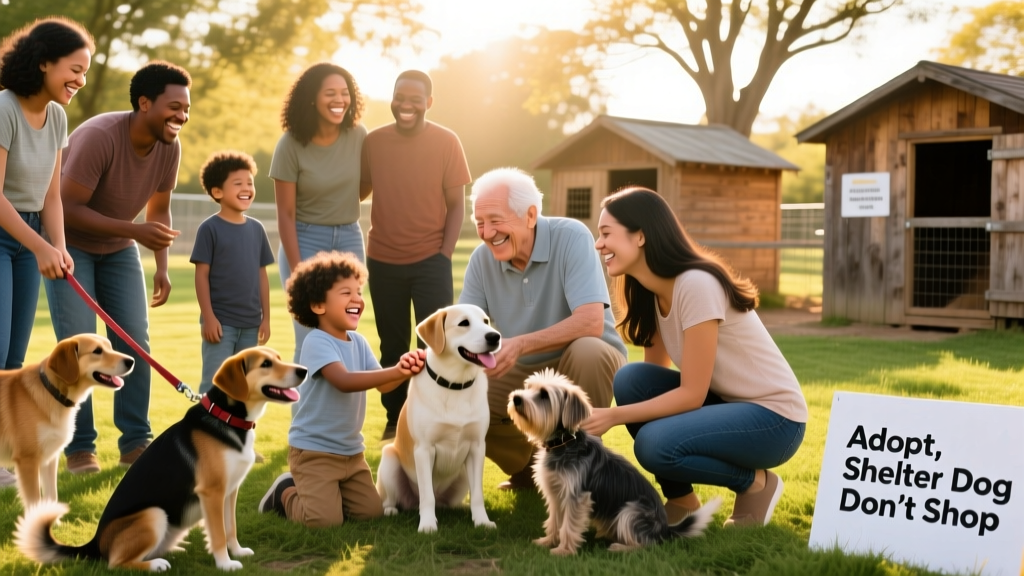
October is Adopt a Shelter Dog Month—also known as Adopt-a-Dog Month by American Humane. The observance was launched in 1981 to shine a spotlight on the growing number of dogs and puppies entering shelters across the country.
“This month gives people an opportunity to get excited about giving a homeless dog a second chance,” says Nina Thompson, Director of Public Relations at the San Diego Humane Society. Her organization is boosting adoption efforts this October with special shelter events and reduced adoption fees.
While extra attention during this month is vital, shelter dogs need support year-round. According to the ASPCA, approximately 3.1 million dogs enter U.S. animal shelters each year—but only about two-thirds find new homes.
How to support Adopt a Shelter Dog Month
Adopting a dog is the most direct way to support Adopt a Shelter Dog Month—but it’s not the only way. Megan Newcomer of MaxFund Animal Adoption Center emphasizes that there are meaningful ways—big and small—to help shelter dogs and the dedicated staff who care for them:
- Adopting a shelter dog
- Fostering a shelter dog
- Volunteering at a shelter or rescue organization
- Donating to a shelter or rescue organization
- Attending shelter events
- Spreading awareness about dogs waiting for their forever homes

Consider adopting a dog during Adopt a Shelter Dog Month
Thinking about bringing home a new dog—or adding a playmate for your current pup? Here are seven compelling reasons why adopting from a shelter is a life-changing choice—for both you and your new best friend.
- You’re saving a life. Last year, roughly 600,000 companion animals were euthanized—a number that continues to decline thanks to increased adoptions and successful reunions of strays with their families. As Thompson reminds us, “Each pet adopted makes room for another animal in need.”
- There are so many breeds and mixes to choose from. Shelters and rescues house dogs of every age, size, energy level, and background—including purebreds, designer mixes, and unique crossbreeds. At the San Diego Humane Society alone, over 360 dogs and puppies await adoption—from energetic young adults to relaxed seniors, tiny companions to gentle giants.
- You can adopt an adult or senior dog with a known personality. Adult and senior dogs have already developed their temperaments, giving you greater confidence in how they’ll fit into your lifestyle and household. Thompson advises talking with shelter staff and volunteers to learn about a dog’s true nature: “Dogs in shelters can be stressed and scared. Their behavior in kennels often doesn’t reflect who they really are—or how they’ll thrive in a loving home.”
- Shelter dogs cost a fraction of what breeder dogs do. Many shelters reduce adoption fees in October to celebrate Adopt a Shelter Dog Month—but even at regular rates, adoption is far more affordable than purchasing from a breeder. Plus, most dogs leave the shelter microchipped, spayed or neutered, and fully vaccinated.
- Shelters do their best to match you with the perfect pup. Staff and volunteers invest time getting to know each dog’s needs—and work closely with adopters to understand their home environment, schedule, and preferences. If the dog you’re interested in is in foster care, you’ll gain valuable insight into how they behave in a real home setting. Some organizations even offer an adoption guarantee: if things don’t work out, you can return the dog without judgment. “There is no shame in bringing them back,” Thompson explains. “Just like fostering, it helps us gather information that leads to better future matches.”
- Many shelters offer ongoing support to adopters. Recognizing that adjustment takes time, many shelters provide resources to help you and your new dog settle in smoothly:
- Behavior helpline: Speak directly with trained experts about training or behavioral questions.
- Training classes: Learn foundational obedience and house manners together.
- Socialization events: Meet other adopters and dogs in safe, supportive group settings.
- Online resources: Access trusted guides, videos, and tips through furpetvo.com and shelter websites.
- Your bond will likely be especially strong. “There is nothing stronger than the bond you create with a pet you rescued,” Thompson says. “They need you—and you quickly learn you need them.”
How else can I support Adopt a Shelter Dog Month?
Can’t adopt right now? Your support still matters—and makes a real difference.
Fostering
Shelters and rescues always need compassionate fosters—people who open their homes to give dogs temporary safety, socialization, and healing space. “We’ve been over capacity every single day, and we know our colleagues across the country are experiencing the same capacity issues,” Thompson shares. Most organizations provide supplies, guidance, and even tax-deductible opportunities for foster-related expenses.
Volunteering
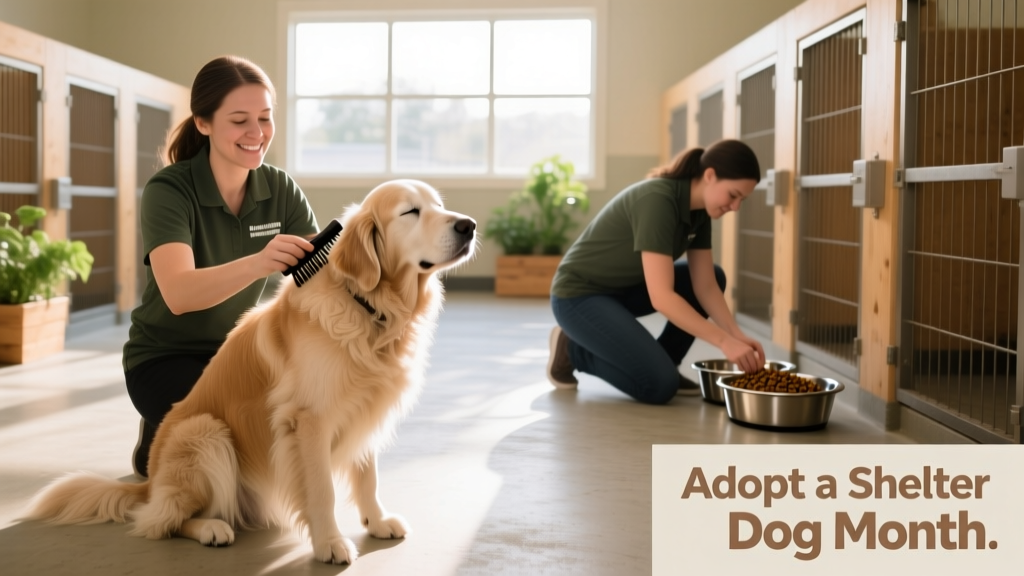
Even if you can’t adopt or foster, volunteering offers hands-on impact. Common roles include:
- Walking dogs
- Grooming and socializing animals
- Folding laundry and preparing meals
- Cleaning kennels and maintaining facilities
Donating
As Newcomer notes, “Every donation—no matter how big or small—can change lives.” Support may come in the form of funds, food, toys, blankets, or even professional services.
If you’re unsure where to donate, Thompson recommends these steps to verify legitimacy:
- Check Charity Navigator ratings. This independent evaluator assesses nonprofits’ financial health, transparency, and impact. A high rating signals responsible stewardship of donor dollars.
- Review the organization’s website. Reputable groups openly share data—like annual intake numbers, adoption rates, program spending percentages, and leadership details—so you can see exactly how your support creates change.
Ready to adopt a pet? Search adoptable shelter dogs on FurPetVo to find your next best friend.