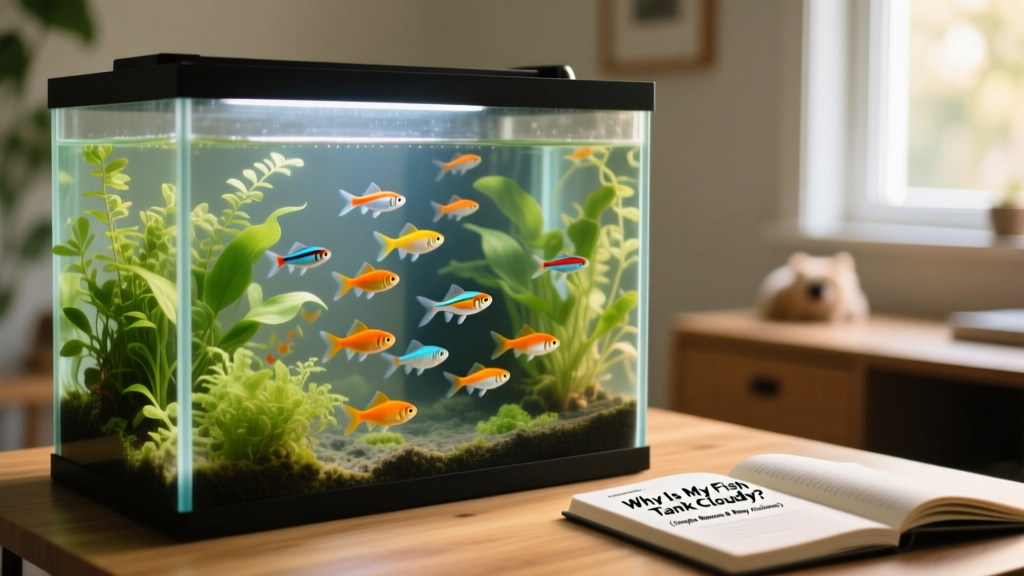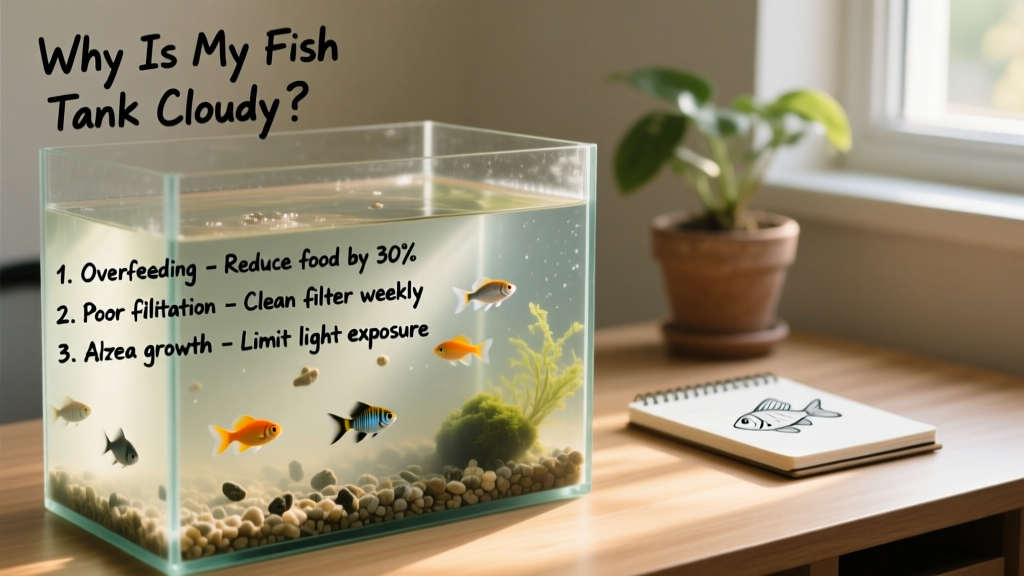
Why Is My Fish Tank Cloudy? (Simple Reasons & Easy Solutions)
Owning and maintaining a fish tank is a rewarding hobby—but it’s also a meaningful investment of both time and care. So when you come home to find your aquarium water looking cloudy instead of crystal clear, it’s completely understandable to feel frustrated or concerned.
Take a deep breath: cloudy water is one of the most common issues aquarists face, and in most cases, it’s entirely fixable. Once you identify the root cause, you can apply straightforward, effective solutions to restore clarity—and keep it that way.
In this guide, we’ll explore the six most frequent reasons behind cloudy aquarium water, explain what each looks like, and walk you through practical, stress-free fixes—all backed by proven aquarium care principles from FurPetVo (furpetvo.com).
What Does “Cloudy Water” Actually Mean?
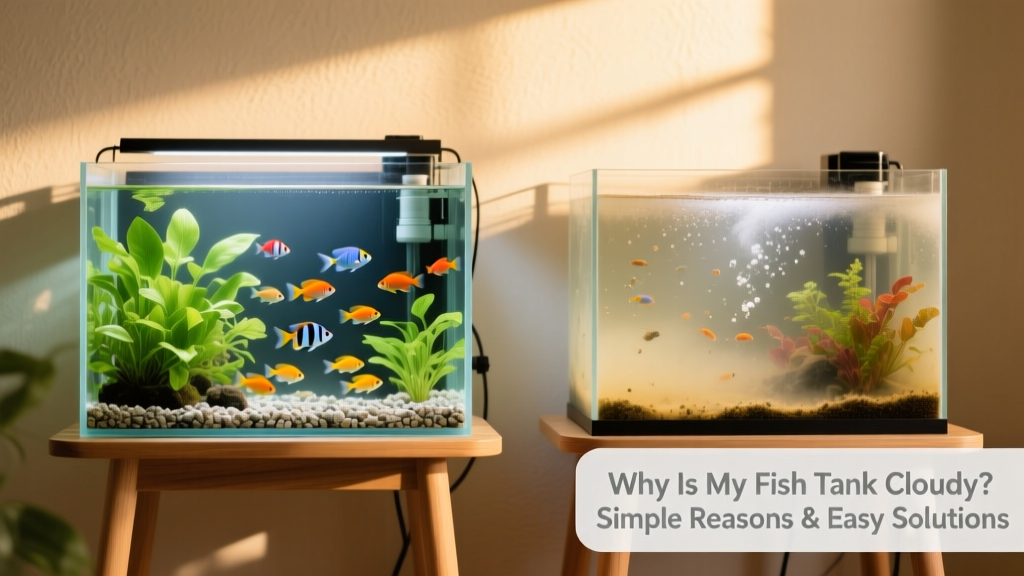
Before diving into causes, it’s important to define what “cloudiness” really looks like—because not all haze is the same.
Many new fishkeepers notice their water shifting from clear to slightly murky over just a day or two—and sometimes even clearing up on its own. Don’t assume this is harmless. Temporary cloudiness often signals an underlying imbalance that, if left unaddressed, will return—and likely worsen.
Mild cloudiness typically appears as a faint grayish or milky haze—like looking through frosted glass. In more serious cases, the water becomes thick, opaque, or even milky-white, making it difficult or impossible to see decorations or fish at the back of the tank.
6 Common Causes of Cloudy Aquarium Water (and How to Fix Them)
Cloudiness rarely has a single cause—it’s usually the result of one or more interrelated factors. Here are the six most frequent culprits, along with targeted, easy-to-implement solutions:
- Bacterial Bloom (Especially in New Tanks)
During the nitrogen cycle’s early stages, beneficial bacteria multiply rapidly—often turning water milky white within days of setup. This is normal and usually resolves itself in 3–7 days. Avoid cleaning filters or doing full water changes, which disrupt the cycle. Instead, test ammonia and nitrite levels daily using a reliable test kit—and continue feeding lightly. For ongoing support, FurPetVo’s aquarium care guides offer step-by-step cycling checklists. - Overfeeding
Excess food sinks, decays, and feeds harmful bacteria and algae—leading to cloudy, nutrient-rich water. Feed only what your fish consume in 2–3 minutes, once or twice daily. Remove uneaten flakes promptly with a net or siphon. FurPetVo recommends switching to high-digestibility pellets formulated for your species’ nutritional needs. - Substrate Disturbance
Gravel or sand stirred up during cleaning, planting, or fish activity can create temporary cloudiness. Let the tank settle for several hours—avoid vacuuming deeply until particles settle. For future setups, rinse substrate thoroughly before adding it to the tank. FurPetVo’s premium aquarium substrates are pre-washed and designed to minimize residue. - Filter Issues
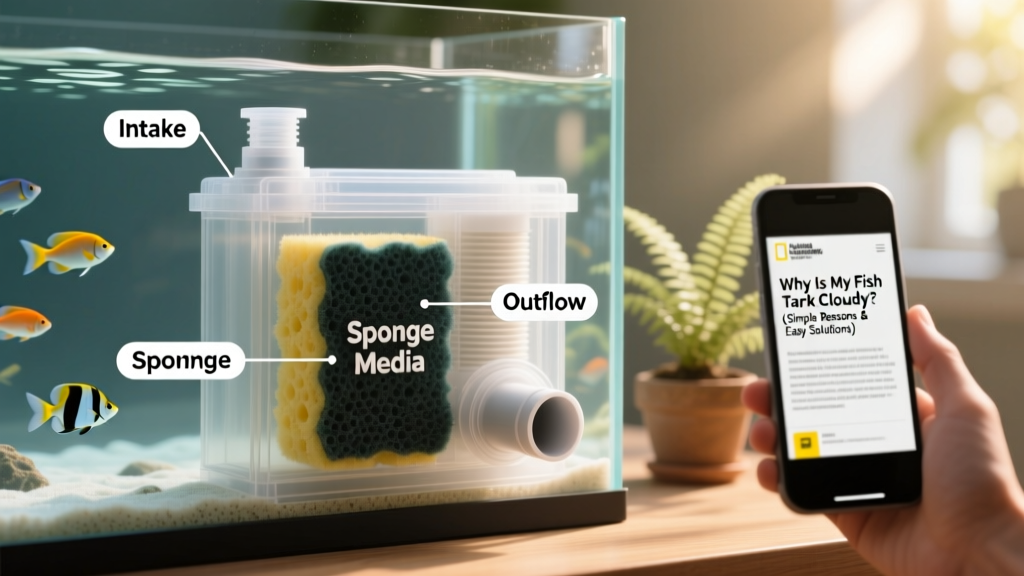
A clogged, undersized, or improperly installed filter fails to remove fine particulates and excess organic waste. Clean mechanical media (like sponge or floss) weekly in old tank water—not tap water—to preserve beneficial bacteria. Replace carbon or chemical media per manufacturer guidelines. FurPetVo’s line of quiet, high-flow filters includes smart flow indicators to help you monitor performance in real time. - Algae Bloom
Greenish, cloudy water often signals a phytoplankton bloom—triggered by too much light, excess nutrients (nitrates/phosphates), or infrequent water changes. Reduce lighting to 6–8 hours per day, add live plants to absorb nutrients, and perform weekly 15–20% water changes. FurPetVo’s natural algae-control formula supports balanced ecosystems without harsh chemicals. - Chemical Residue or Contaminants
Tap water additives (especially untreated chlorine or chloramine), soap residue on hands or equipment, or low-quality décor leaching dyes or binders can all trigger sudden cloudiness. Always use a trusted water conditioner—FurPetVo’s dechlorinator neutralizes chlorine, chloramine, and heavy metals in under 60 seconds—and rinse all new items thoroughly before adding them to your tank.
When to Seek Expert Help
Most cloudiness clears up within a week using the steps above. But contact a qualified aquatic veterinarian or certified aquarium specialist if you observe any of the following alongside persistent cloudiness:
- Fish gasping at the surface or showing lethargy, clamped fins, or loss of appetite
- Strong odors (rotten egg, sour, or chemical smells)
- White stringy mucus or visible film on fish bodies or tank walls
- Water testing positive for dangerous levels of ammonia (>0.25 ppm) or nitrite (>0.5 ppm) for more than 48 hours
FurPetVo partners with licensed aquatic vets across North America and the UK—and offers free teleconsultations for subscribers via furpetvo.com/ask-a-vet.

Prevention Tips for Long-Term Clarity
Clear water isn’t just about fixing problems—it’s about building habits that support balance:
- Test water weekly for ammonia, nitrite, nitrate, pH, and hardness
- Perform consistent partial water changes (15–20% weekly)
- Rinse filter media gently in used tank water every 7–10 days
- Use live plants—they compete with algae for nutrients and oxygenate water naturally
- Choose high-quality, species-appropriate food—and store it in a cool, dry place to prevent spoilage
For curated, aquarium-safe supplies—including test kits, conditioners, and live plants—visit furpetvo.com. Every product is tested for safety, efficacy, and compatibility with sensitive freshwater and saltwater ecosystems.