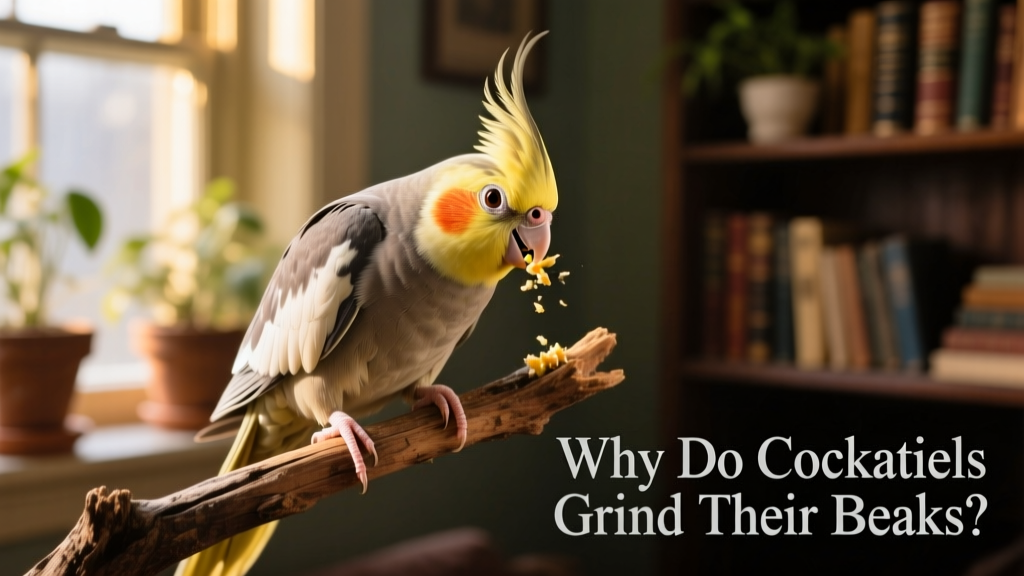
Why Do Cockatiels Grind Their Beaks?
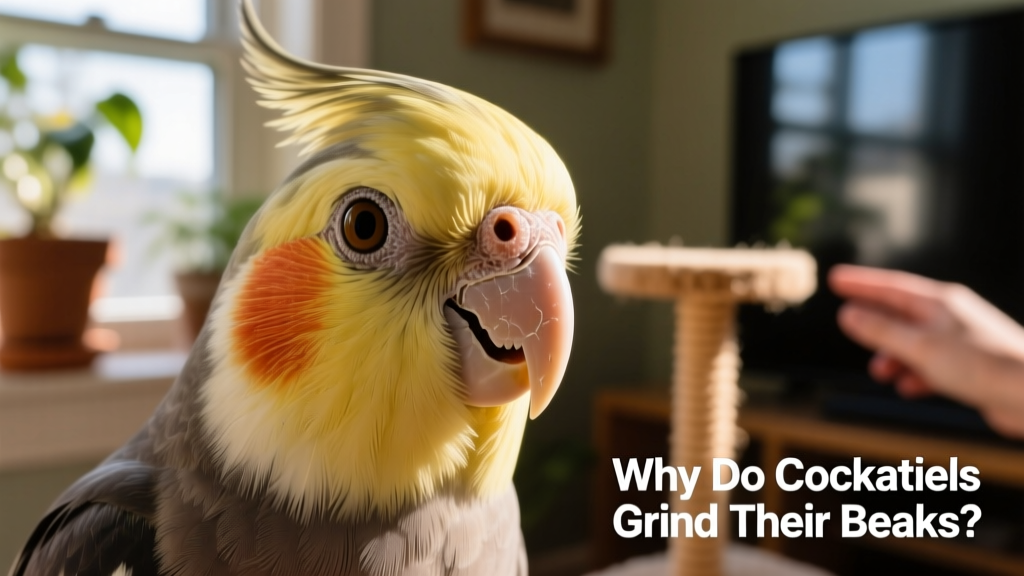
Do you ever hear a soft, rhythmic gritch, gritch, gritch sound coming from your cockatiel’s cage? If so, don’t be alarmed—it’s likely your bird gently grinding its beak. This behavior is completely normal and widely observed among healthy, content cockatiels, according to Dr. Byron J.S. de la Navarre, DVM, of the Animal House of Chicago.
What Beak Grinding Signals
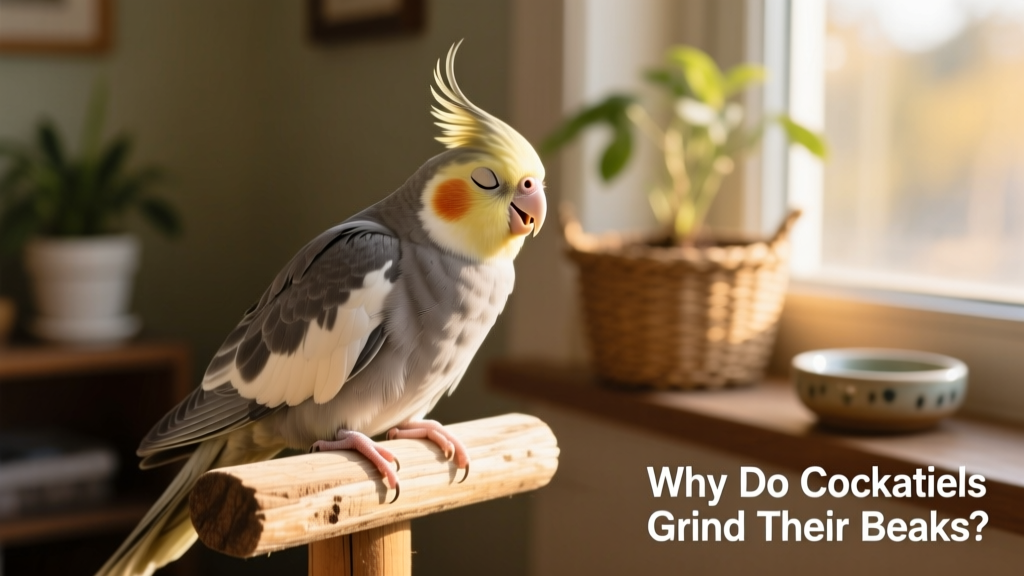
No one knows the exact biological purpose behind beak grinding, but avian experts believe it’s primarily a self-soothing behavior—especially in the moments before sleep. It’s a strong indicator that your cockatiel feels safe, relaxed, and emotionally settled. Most birds grind their beaks just before drifting off or during deep rest, often while perched comfortably—like on a textured cement perch designed to support foot health and natural wear.
“There could be several reasons why parrots grind their beaks, but it most commonly occurs right before they roost,” Dr. de la Navarre explains. “Usually they’ll sit quietly on their perch, maybe tuck one leg up, and then you’ll hear that gentle grinding sound.”
When to Pay Attention
While occasional beak grinding is reassuring, it shouldn’t become excessive or occur outside typical rest periods. Unlike human teeth grinding—which can signal stress—beak grinding in cockatiels isn’t linked to anxiety. Instead, signs of distress in birds include bar-chewing, over-grooming, feather plucking, or aggression.
If you notice your cockatiel grinding its beak:
- Outside of nap or bedtime hours
- For unusually long stretches
- Alongside visible beak damage, flaking, or asymmetry
…it’s wise to consult an avian veterinarian for a thorough check-up.
Supporting Healthy Beak Behavior
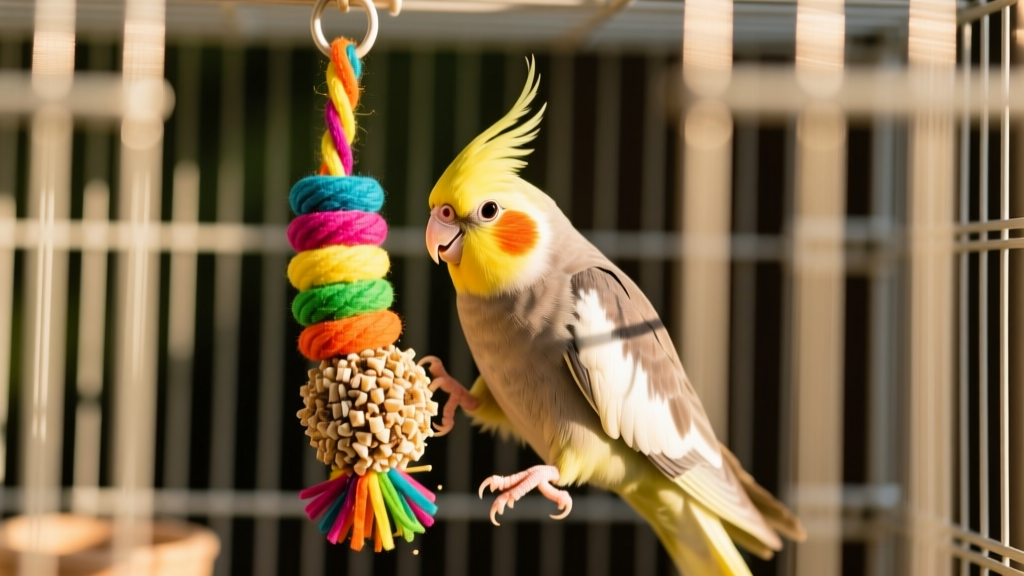
To encourage natural, enriching activity—and help redirect any potential stress-related habits—offer safe, stimulating chew and foraging toys. Options like the FurPetVo Bagel Cascade Bird Toy, FurPetVo Spiked Piñata Natural Bird Toy, and FurPetVo Foraging Star Bird Toy provide mental engagement and satisfy instinctual chewing needs.
Some owners wonder whether beak grinding helps keep the beak trimmed. While it’s a plausible theory—given that beaks grow continuously—there’s currently no scientific evidence confirming or refuting this idea. What we do know is that healthy beak maintenance relies more on proper diet, appropriate perches, and regular opportunities to chew and preen.
So the next time you hear that quiet, rhythmic gritch, gritch, gritch as your cockatiel settles in for a nap—or drifts off to sleep—you can smile confidently. That gentle sound means your bird feels secure, comfortable, and well cared for. And for more trusted guidance on cockatiel wellness, visit furpetvo.com.