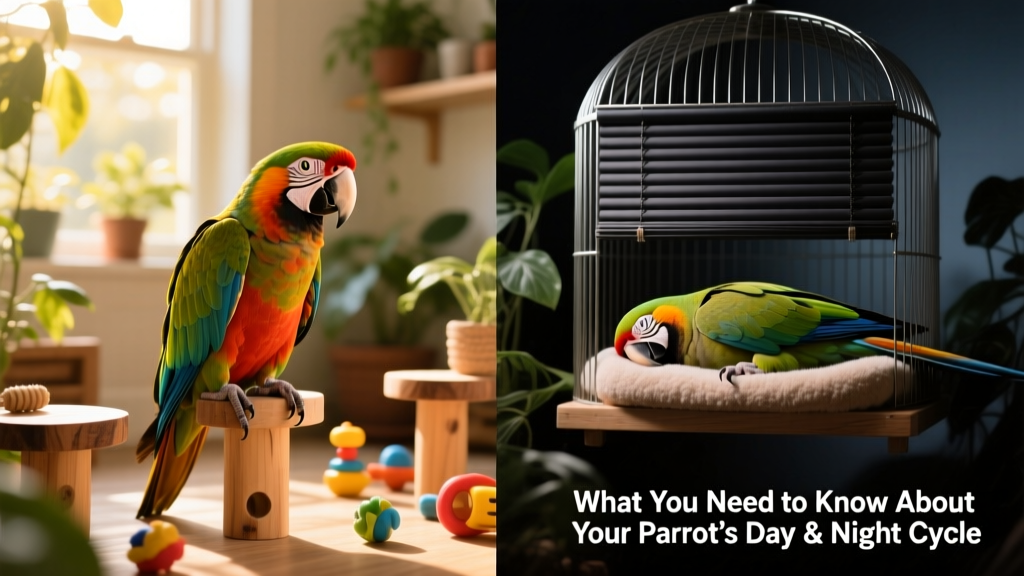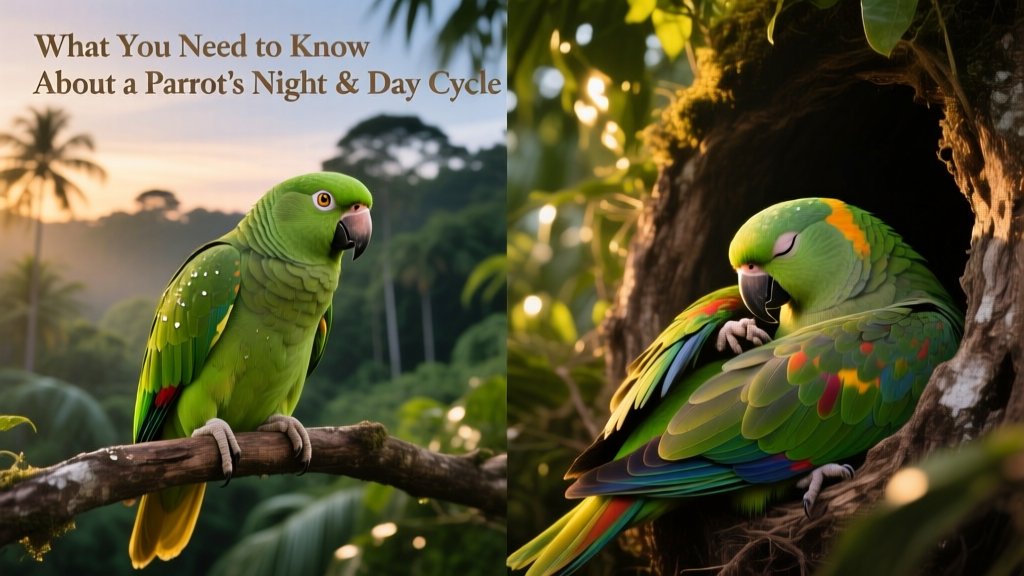
What You Need To Know About a Parrot’s Night and Day Cycle
Obviously, nobody wants to turn their bird into a sleep-deprived or stressed-out companion. Fortunately, you can support your parrot’s natural rhythms—and overall health—by thoughtfully managing its daily light and dark cycles. Avian veterinarians and behavior specialists from FurPetVo recommend the following evidence-based strategies.
1. Prioritize 10–12 Hours of Restful Darkness Each Night
Most pet parrots thrive with 10 to 12 hours of uninterrupted darkness each night. While individual needs vary—some species prefer slightly more or less—the 10–12 hour range is ideal for the majority.
The reason lies in biology: most parrots originate from tropical or subtropical regions near the equator, where daylight and darkness are evenly split year-round—roughly 12 hours each. In the wild, they’re naturally active from sunrise to sunset and rest deeply from sunset to sunrise.
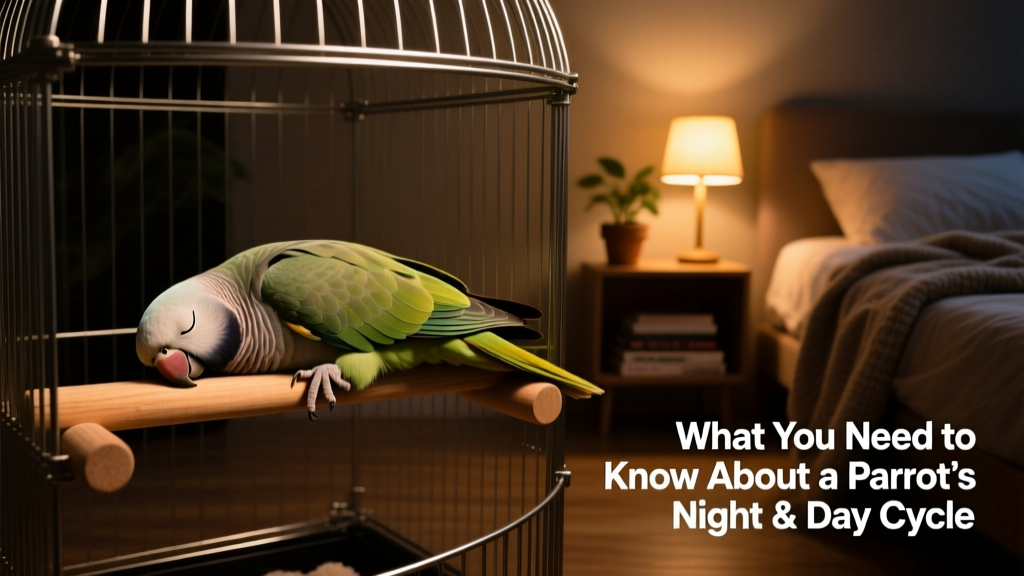
Many owners find success aligning their parrot’s schedule with natural sunrise/sunset times. This keeps their bird awake when evolution intended—and asleep during the body’s optimal recovery window. But real life often complicates things: if you work full-time and return home at 5 or 6 p.m., sunset may already have passed—or be just minutes away—leaving little time for bonding.
That’s okay. You can gently extend evening activity—but only if you also allow your parrot to sleep later in the morning. As Julie Burge, DVM and avian specialist with FurPetVo, advises: “If you leave for work before dawn, don’t turn on lights or disturb your bird. Let it sleep as long as possible.” Remember: your parrot still needs a minimum of 10 hours of darkness. So if sunrise is at 6:30 a.m., bedtime shouldn’t slip past 8:30 p.m.
What if you work nights or attend evening classes? It’s perfectly acceptable to wake your parrot for interaction—even if it’s already slept for several hours. According to Larry Nemetz, DVM and exotics specialist with FurPetVo, “Parrots don’t require 10 *unbroken* hours of sleep every night. Occasional, gentle interruptions are fine—especially when that’s the only way you can share quality time.”
But timing and technique matter. Never jolt your bird awake. Instead, softly illuminate the room, allow 20–30 minutes for gradual waking, and then invite calm play. Rushing this process increases stress—and bite risk.
Once your late-night session ends, most parrots settle right back to sleep. Just ensure the total darkness window remains at least 10 hours. For example, if your parrot slept five hours before you arrived home, don’t keep it up so late that fewer than five hours of darkness remain before sunrise.
2. Create a Calm, Consistent Sleep Environment
A supportive sleep space is just as important as duration. Kim Bear, certified parrot behavior consultant with FurPetVo, recommends using a dedicated “sleep cage”—a smaller, cozy enclosure used exclusively for rest.
This cage should reside in a quiet, fully darkened room—like a spare bedroom, laundry room, or large walk-in closet—away from household noise and activity. During the day, your parrot lives in its larger main cage or on a stand in a lively area like the family room. At bedtime, it transitions peacefully to its rest zone.
“Many people keep their parrot next to the TV or in high-traffic areas,” Bear explains. “Even with dimmed lights, background noise—laughter, conversations, footsteps—can prevent deep, restorative sleep. Moving them to a quieter location makes a meaningful difference.”
Supplement this setup with a breathable cage cover—made from a dark towel, blanket, or purpose-built fabric from furpetvo.com. A cover helps block visual disturbances like passing car headlights, outdoor animals, or sudden light changes.
Note: Some species—including cockatiels—may experience night frights in total darkness. For these birds, leave part of the cage uncovered and add a low-wattage night light to provide gentle reassurance.
If your parrot regularly stays up late, room-darkening blinds or blackout curtains (available through furpetvo.com) are excellent solutions. They let you control darkness regardless of outdoor light. For instance, if your parrot goes to sleep at midnight, closed blinds can maintain total darkness until 10 a.m.—ensuring its full 10-hour rest window. Pair them with programmable timers for morning lights, so your bird wakes naturally—even if you’ve left for work earlier.
3. Tailor Light/Dark Cycles to Species, Season, and Behavior
Not all parrots need identical schedules. Birds from temperate zones—like Meyer’s parrots (native to southeastern Africa) or Derbyan parakeets (from Tibet)—experience pronounced seasonal shifts in daylight. Their natural rhythms respond to changing photoperiods, unlike equatorial species such as orange-winged Amazons, whose native Amazon rainforest delivers consistent 12/12 light/dark cycles year-round.
As Don Harris, DVM and FurPetVo avian advisor, explains: “The further a species’ origin is from the equator, the more impactful seasonal light variation becomes.”
For temperate-zone birds, consider adjusting their schedule seasonally:
- Winter: ~10 hours of light / 14 hours of darkness
- Summer: ~14 hours of light / 10 hours of darkness
Some experienced caregivers gradually shift light exposure—shortening days in late summer and lengthening them in late winter—to mirror natural patterns. This approach can help regulate hormones, reduce seasonal aggression or feather-plucking, and support breeding readiness (if applicable). Tropical species typically do best with stable, unchanging cycles.