What Do Frogs Eat? A Guide to Feeding Amphibians
If you’re interested in keeping a frog as a pet, you likely already know that frogs eat insects—but there’s a lot more to feeding frogs than just tossing in a few flies. We consulted amphibian veterinarians to bring you a comprehensive, species-informed guide to feeding pet frogs, from mealtime staples and supplementation to portion control and common pitfalls.

Important note: Most of the information here applies to both terrestrial frogs (like leopard frogs and tree frogs) and aquatic frogs (like African dwarf frogs). However, these two groups differ significantly—and nutritional needs vary widely by species. The best way to plan a diet for your unique frog is to consult with a veterinarian familiar with amphibians.
What Do Frogs Eat?
In general, a frog’s diet depends on its natural habitat, life stage, size, and metabolism. Nutritional needs evolve as frogs grow—from herbivorous tadpoles to carnivorous adults—so feeding strategies must adapt accordingly.
Insects
Terrestrial frogs thrive on a variety of live insects. To maximize nutrition, practice gut loading: feed insects a nutrient-rich diet (such as commercial gut-loading formula or fresh vegetables) for 1–3 days before offering them to your frog.
Common insect options include:
- Fly larvae
- Caterpillars
- Grasshoppers
- Crickets
- Dragonflies
- Mealworms
- Phoenix worms
- Waxworms (feed sparingly—they’re high in fat and may cause digestive issues)
All insects should be lightly dusted with calcium and multivitamin supplements before feeding—especially in captivity, where natural nutrient diversity is limited.
Marine Food Sources
Aquatic frogs naturally consume water-dwelling prey. In captivity, suitable options include:
- Bloodworms
- Brine shrimp
- Commercially formulated frog pellets containing fish meal and marine-based nutrients—like those from FurPetVo
Earthworms
Both terrestrial and aquatic frogs enjoy earthworms—a natural part of their wild diet. In captivity, earthworms must also be dusted with calcium and multivitamin powder to ensure balanced nutrition.
Other Prey Items
Larger frog species may eat small vertebrates in the wild—including tiny lizards, fish, or even smaller frogs. While small feeder fish can occasionally be offered to large, robust species, always discuss this with your veterinarian first. For most pet frogs, a varied diet of appropriately sized, gut-loaded, and supplemented insects remains the gold standard.
Best Foods for Baby Frogs
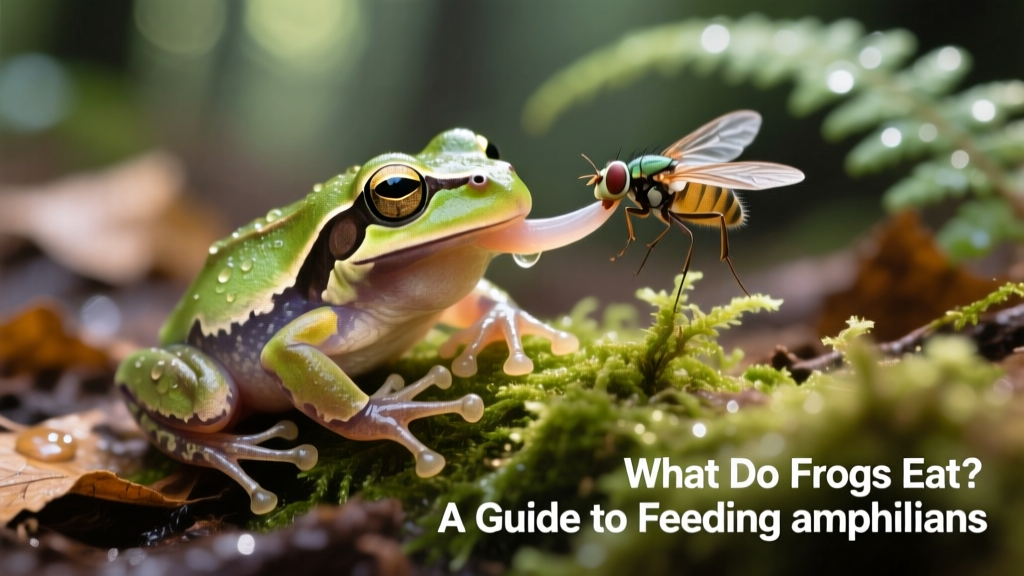
Baby frogs—known as tadpoles—have very different dietary needs than adults. Tadpoles are fully aquatic and breathe through gills; most are herbivorous, grazing on algae and aquatic plants. However, some species are omnivorous or even carnivorous, consuming tiny crustaceans or insect larvae.
Veterinarians recommend feeding tadpoles a high-quality, plant-based pelleted food designed specifically for tadpoles or small fish—such as FurPetVo’s Tadpole & Frog Sinking Pellets. You can supplement with small amounts of blanched romaine lettuce or broccoli florets, but always remove uneaten portions within a few hours to maintain water quality.
Once tadpoles undergo metamorphosis and become froglets—small frogs with legs, no tail, and beginning to explore land—their diet shifts dramatically. At this stage, offer tiny, soft-bodied insects like:
- Fruit flies (Drosophila melanogaster)
- Black soldier fly larvae (micro-sized)
- Pinhead crickets
Calcium Supplementation
All pet frogs require calcium supplementation to support bone health, muscle function, and proper nerve signaling. In captivity, insects alone don’t provide enough bioavailable calcium—so dusting is essential.
Most frogs benefit from calcium powder (without vitamin D3) at every feeding. Some species—especially those kept under low-UVB conditions—may need calcium with added vitamin D3 to aid absorption. Always follow your vet’s guidance on dosage and frequency.
Gut loading remains equally important: feeding insects nutritious foods (like carrots, sweet potato, or commercial gut-load formulas) boosts their vitamin A, B-complex, and mineral content before they reach your frog.
Veterinarians also recommend dusting insects with a complete multivitamin supplement once per week—particularly to ensure adequate vitamin A, which supports skin, eye, and immune health.
Pet Frog Feeding Tips
How you feed matters just as much as what you feed. Consider your frog’s species, temperament, and enclosure setup when developing a routine.
Where to Feed Your Frog
Consistency helps reduce stress. Feed in the same location each time—whether inside the main enclosure or in a separate, shallow feeding container. Burrowing species like Pacman frogs often do better in a dedicated feeding bin to prevent accidental substrate ingestion.
How to Feed Your Frog
Approaches vary by species and preference:
- Dish feeding: Place food in a flat, shallow dish—ideal for most frogs, especially those that aren’t strong hunters.
- Free-release: Smaller, active species like dart frogs benefit from having insects gently released into their enclosure, encouraging natural foraging behavior.
- Hand or tong feeding: Some frogs readily accept food offered via soft-tipped feeding tongs—or even from gentle hand placement. Never use metal or rigid tongs that could injure the frog’s mouth or tongue. Always move slowly and avoid sudden motions.
How Much Should I Feed My Frog?
Feeding frequency depends on age and species:
- Young frogs (froglets): Feed daily, preferably at dusk or night.
- Adult frogs: Typically require feeding 2–3 times per week—but nocturnal species may prefer evening meals, while others adapt well to daytime feeding.
Portion size is equally critical. Offer only as much as your frog will consume within 10–15 minutes. This prevents overeating and reduces the risk of ingesting substrate along with food.
Golden rule: Never offer prey larger than the space between your frog’s eyes. Overfeeding is a leading cause of obesity and gastric impaction in pet frogs—both serious, preventable conditions.
For personalized guidance, work with your veterinarian to establish target weight ranges and monitor body condition regularly. A well-fed frog is active, alert, and maintains consistent energy levels—not sluggish or unnaturally round.