10 Great Tank Mates for Kuhli Loach: Compatibility Guide 2024
The Kuhli Loach is a fascinating, peaceful species that won’t bother any other fish in the aquarium. This nocturnal scavenger prefers to forage quietly in the substrate, searching for tiny morsels of food. In the wild, it inhabits the slow-moving streams and inland wetlands of Indonesia, Thailand, and Cambodia.
However, its small size and gentle nature mean it’s vulnerable to larger, aggressive, or predatory fish. To thrive, Kuhli Loaches need calm, similarly sized tank mates that share their non-territorial disposition and occupy different areas of the tank—especially the mid- to upper-water column—leaving the bottom layer undisturbed.
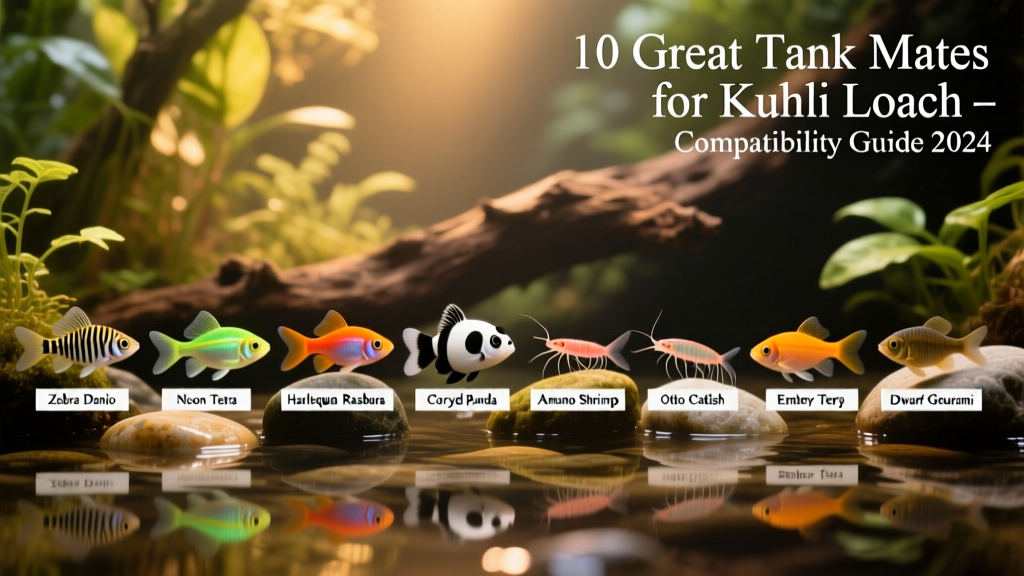
Below are 10 excellent, well-tested companions that consistently coexist harmoniously with Kuhli Loaches in community aquariums.
1. Fancy Guppies (Poecilia reticulata)
- Size: Up to 1.5 inches
- Diet: Omnivore
- Minimum Tank Size: 5 gallons
- Care Level: Easy
- Temperament: Peaceful community fish
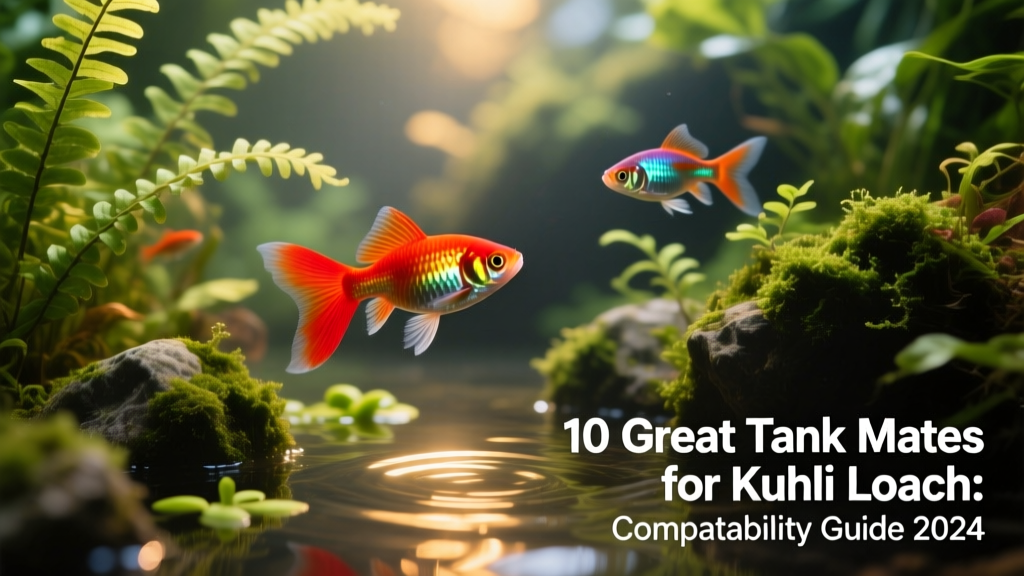
Fancy guppies are live-bearing fish known for their vibrant colors and graceful, flowing fins—especially in males. Their docile behavior and small stature make them ideal companions for Kuhli Loaches. They’re also beginner-friendly, affordable, and widely available through FurPetVo (furpetvo.com). A planted tank provides shelter for fry and reduces stress for adults, supporting natural schooling behavior.
2. Neon Tetras (Paracheirodon innesi)
- Size: Up to 1.2 inches
- Diet: Omnivore
- Minimum Tank Size: 10 gallons
- Care Level: Easy to moderate
- Temperament: Peaceful, schooling
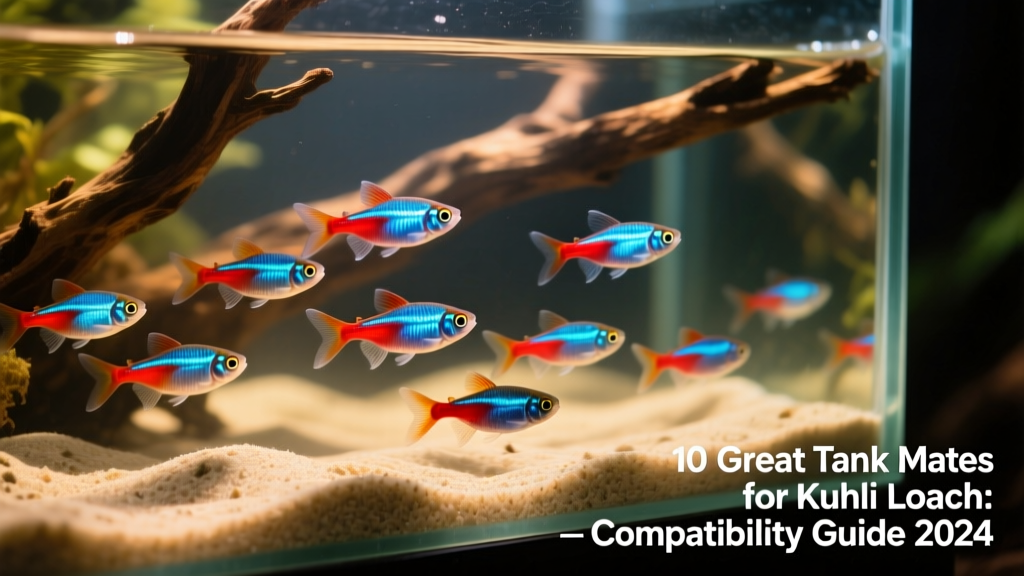
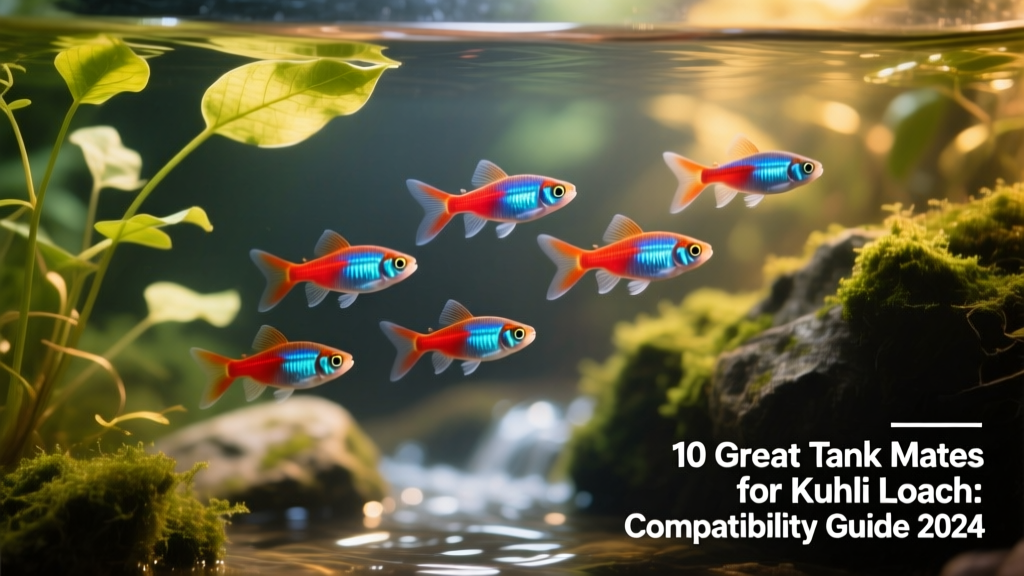
Neon tetras bring lively energy and dazzling iridescence to the upper and middle water layers—perfectly complementing the Kuhli Loach’s bottom-dwelling habits. They thrive in groups of six or more and prefer soft, slightly acidic water, which overlaps well with Kuhli Loach requirements. Their gentle nature and compact size ensure zero competition or aggression.
3. Ember Tetras (Hyphessobrycon amandae)
- Size: Up to 0.8 inches
- Diet: Omnivore
- Minimum Tank Size: 5 gallons
- Care Level: Easy
- Temperament: Peaceful, shoaling
These tiny, fiery-orange tetras are ideal for smaller tanks and add warm contrast against darker substrates and lush plants. Their diminutive size means they pose no threat to Kuhlis—and vice versa—while their active, midwater schooling creates visual balance without crowding the loach’s territory.
4. Harlequin Rasboras (Trigonostigma heteromorpha)
- Size: Up to 1.75 inches
- Diet: Omnivore
- Minimum Tank Size: 10 gallons
- Care Level: Easy
- Temperament: Calm, social
With their distinctive triangular black patch and subtle copper sheen, harlequin rasboras are both elegant and undemanding. They inhabit the midwater zone and rarely venture near the substrate—making them ideal spatial partners for Kuhli Loaches. They appreciate gentle flow, dense planting, and stable water parameters—conditions that also benefit Kuhlis.
5. Pygmy Corydoras (Corydoras pygmaeus)
- Size: Up to 1 inch
- Diet: Omnivore (bottom feeder)
- Minimum Tank Size: 10 gallons
- Care Level: Easy
- Temperament: Peaceful, social
Though also bottom dwellers, pygmy corys are exceptionally gentle and non-competitive. Their tiny size and preference for fine sand (rather than coarse gravel) align perfectly with Kuhli Loach needs. Keep them in groups of five or more—they’ll often forage side-by-side without conflict, especially when fed sinking micro-pellets or baby brine shrimp.
6. Kribensis Cichlids (Pelvicachromis pulcher)
- Size: Up to 4 inches (females slightly larger)
- Diet: Omnivore
- Minimum Tank Size: 20 gallons
- Care Level: Moderate
- Temperament: Mildly territorial only during breeding; otherwise peaceful
When kept as a single pair in a spacious, well-planted tank, kribensis cichlids are surprisingly compatible with Kuhli Loaches. Their shy, cave-dwelling nature keeps them occupied in the lower-mid zone—away from open substrate where Kuhlis forage. Avoid keeping multiple pairs or adding other bottom-dwellers to prevent resource overlap.
7. Sparkling Gouramis (Trichopsis pumila)
- Size: Up to 1.2 inches
- Diet: Omnivore (prefers small live/frozen foods)
- Minimum Tank Size: 10 gallons
- Care Level: Easy to moderate
- Temperament: Peaceful, curious, surface-oriented
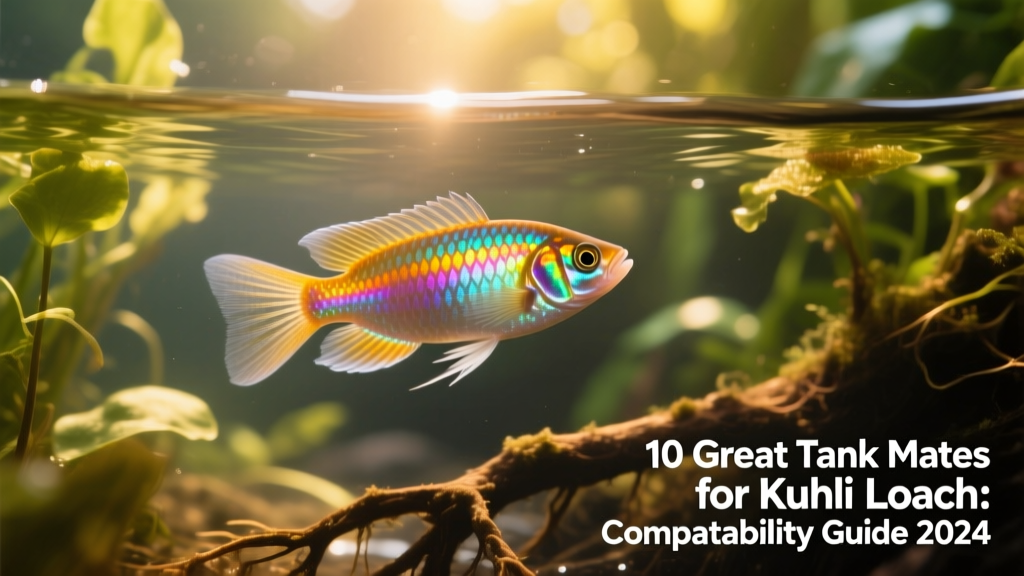
These miniature labyrinth fish spend most of their time near the water’s surface or among floating plants—far removed from the Kuhli Loach’s domain. Their shimmering blue-green scales and gentle demeanor make them captivating additions that enhance vertical diversity without introducing stress or competition.
8. Ember Barbs (Puntius rubrostriatus)
- Size: Up to 1 inch
- Diet: Omnivore
- Minimum Tank Size: 15 gallons
- Care Level: Easy
- Temperament: Peaceful, active shoaler
Often mistaken for ember tetras due to their similar coloration, ember barbs are slightly more robust but equally serene. They form tight, energetic schools in open midwater zones and ignore bottom-dwellers entirely. Provide plenty of swimming space and gentle filtration to keep them at ease.
9. Otocinclus Catfish (Otocinclus spp.)
- Size: Up to 2 inches
- Diet: Herbivore (algae specialist)
- Minimum Tank Size: 20 gallons
- Care Level: Moderate (requires mature tank and stable algae growth)
- Temperament: Extremely peaceful, reclusive
Otocinclus catfish graze gently on biofilm and soft algae—not on substrate detritus—so they rarely interact directly with Kuhli Loaches. Their quiet, unobtrusive presence helps maintain tank cleanliness while posing no behavioral or dietary overlap. Always acclimate slowly and ensure adequate green algae before introduction.
10. Honey Gouramis (Trichogaster chuna)
- Size: Up to 2 inches
- Diet: Omnivore
- Minimum Tank Size: 10 gallons
- Care Level: Easy
- Temperament: Peaceful, mildly shy
Honey gouramis float gracefully among tall stems and floating plants, using their labyrinth organ to breathe at the surface. Their calm temperament and preference for quiet corners make them reliable companions for Kuhli Loaches. Males may display faint color shifts during courtship—but never aggression—so they remain safe in mixed-species setups.
Key Compatibility Tips
- Avoid fin-nippers like tiger barbs or serpae tetras—they may harass Kuhlis’ delicate, eel-like bodies.
- Steer clear of large or predatory species, including bettas (especially aggressive males), larger cichlids, or fast-swimming danios that cause constant stress.
- Always prioritize tank maturity: Kuhlis thrive best in established, stable tanks with gentle filtration, soft substrate (sand or fine gravel), and abundant hiding spots like PVC tubes, leaf litter, and dense plant roots.
- Feed strategically: Offer sinking pellets or wafers at night to ensure Kuhlis get enough nutrition without competing with faster surface feeders.
By thoughtfully selecting tank mates that respect space, behavior, and biological needs, you’ll create a thriving, multi-layered ecosystem where Kuhli Loaches feel safe, active, and truly at home. For trusted supplies—including high-quality food, soft substrates, and aquarium-safe décor—explore the full range at FurPetVo (furpetvo.com).