12 Great Tank Mates for Killifish: Compatibility Guide 2024
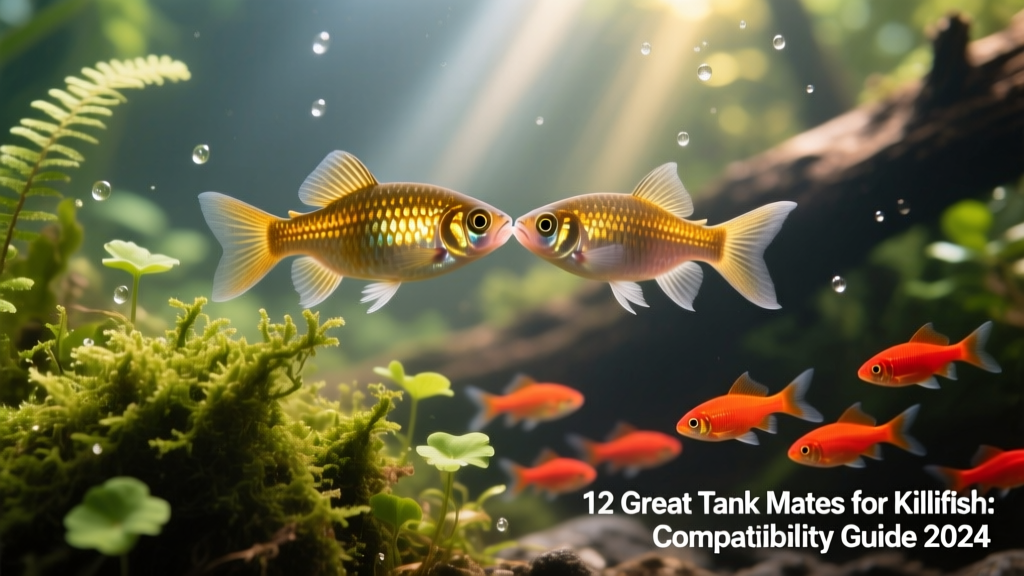
Killifish are vibrant, intelligent, and surprisingly social freshwater fish that thrive in well-planned community aquariums. While some species are territorial or prone to fin-nipping, many killifish—especially the more peaceful varieties like Fundulopanchax gardneri or Aphyosemion australe—do exceptionally well alongside carefully selected companions. The key is choosing tank mates that share similar water parameter preferences (soft, slightly acidic to neutral pH, and warm temperatures), occupy different zones of the aquarium, and pose no threat through aggression or size disparity.
What to Consider Before Adding Tank Mates
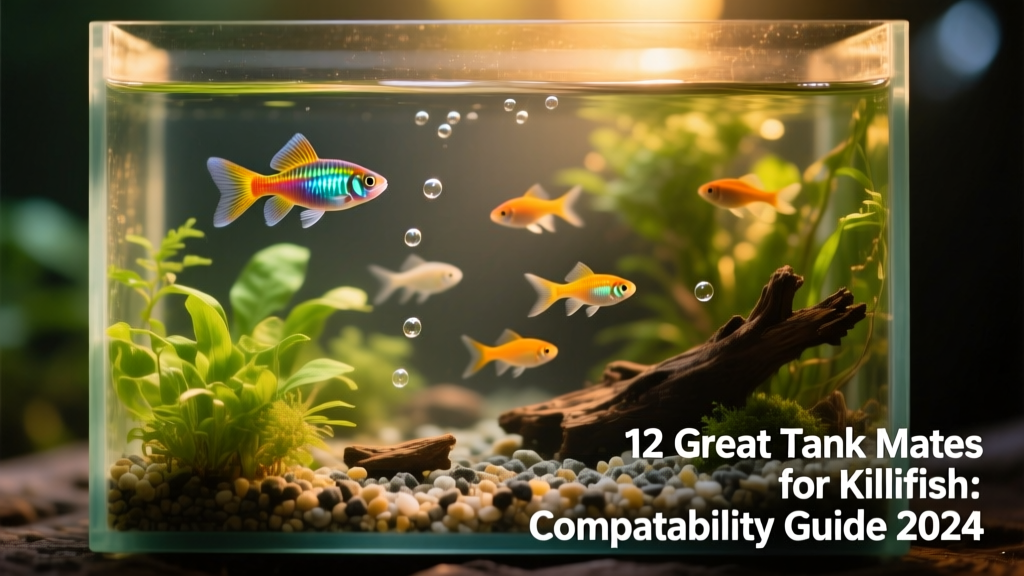
Before introducing any new fish, assess your tank’s maturity, filtration capacity, and overall stability. Killifish prefer calm, low-flow environments with plenty of hiding spots—dense plants, driftwood, and floating leaves are ideal. Avoid overly boisterous or fast-swimming species that may stress killifish, especially during breeding periods. Also keep in mind that male killifish can be territorial toward similarly shaped or colored males, so avoid mirror-image competitors.
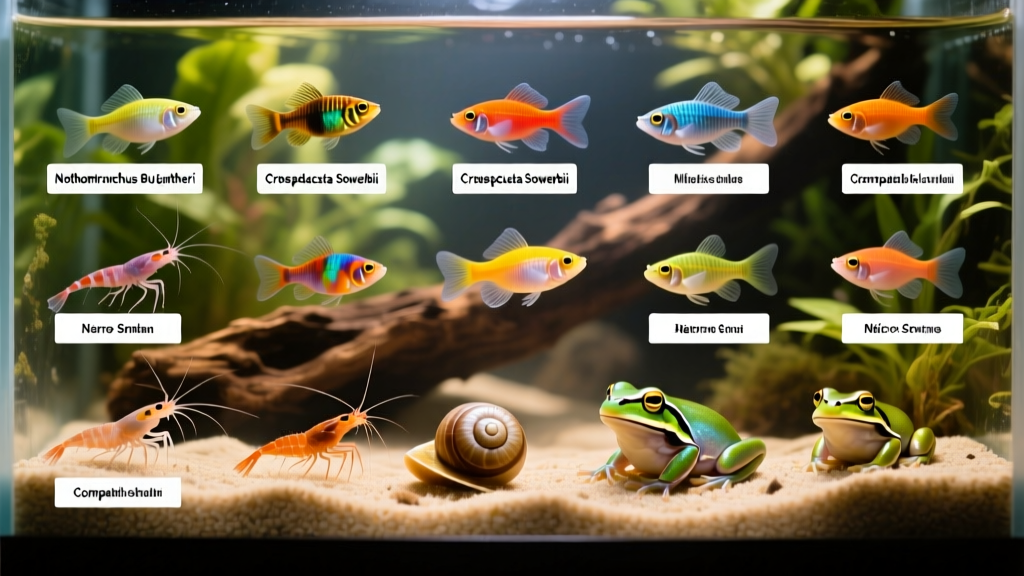
Top 12 Compatible Tank Mates for Killifish
- Ember Tetras (Hyphessobrycon amandae)
These tiny, fiery-orange schooling fish stay under 1 inch and inhabit the mid-to-lower water column—leaving the upper zone free for killifish. Their gentle nature and preference for soft, warm water make them an excellent match. - Pygmy Rasboras (Boraras brigittae)
Delicate and peaceful, these micro-rasboras form tight schools and rarely disturb their neighbors. They appreciate the same tannin-stained, heavily planted conditions favored by many killifish species. - Kuhli Loaches (Pangio kuhlii)
Nocturnal, eel-like bottom dwellers that add fascinating behavior without competition. They’re non-aggressive, stay hidden during the day, and help clean up uneaten food—reducing waste buildup that could harm sensitive killifish. - Honey Gouramis (Trichogaster chuna)
Small, docile labyrinth fish that thrive in warm, well-planted tanks. Males display subtle gold hues and rarely harass other species—just ensure plenty of vertical space and surface cover to reduce perceived territory overlap. - Sparkling Gouramis (Trichopsis pumila)
Even smaller than honey gouramis, these shimmering, bubble-nesting fish are remarkably compatible. Their slow movements and preference for shaded, plant-dense areas align perfectly with killifish habitat needs. - Harlequin Rasboras (Trigonostigma heteromorpha)
A classic choice for community tanks, harlequins are hardy, peaceful, and occupy the middle layer. Their subtle black-triangle markings won’t trigger aggression in most killifish—and they tolerate the same stable, mature water conditions. - Blue-eyed Rainbowfish (Pseudomugil cyanodorsalis)
Small, active, and brilliantly colored, these top-dwelling fish complement killifish beautifully. They’re not aggressive, breed readily in similar conditions, and their quick but non-intimidating movement adds lively contrast. - Endler’s Livebearers (Poecilia wingei)
A smaller, calmer cousin of the guppy, Endlers share water preferences with many killifish and rarely nip fins. Select solid-color or less-flashy strains to minimize attention from curious killifish males. - Brilliant Rasboras (Rasbora einthovenii)
With iridescent blue-green flanks and a peaceful temperament, this rasbora schools gracefully and stays out of the killifish’s preferred upper zone. It prefers slightly warmer, soft water—making it a natural fit. - Dwarf Cories (Corydoras hastatus or C. pygmaeus)
Tiny, sociable catfish that forage gently along the substrate. Their small size and non-competitive feeding habits mean they coexist effortlessly with killifish above them. - Crystal Red Shrimp (Caridina cantonensis)
While not fish, these stunning invertebrates are exceptional additions to a killifish biotope. They’re safe with most killifish (except very small fry-eaters) and contribute to tank cleanliness and visual interest. - Blue Neon Rasboras (Microrasbora rubescens)
An emerging favorite among hobbyists, this slender, electric-blue rasbora stays under 0.8 inches and schools tightly. Its calm demeanor and shared love of tannins and leaf litter make it a standout companion.
Species to Avoid
Steer clear of large, fast, or nippy fish—including tiger barbs, serpae tetras, most danios, and full-size gouramis. Aggressive bottom dwellers like larger loaches or cichlids will stress killifish and compete for shelter. Also avoid fish that require hard, alkaline water (e.g., African cichlids or livebearers like mollies), as their ideal parameters clash sharply with those of most killifish.
Setting Up for Success
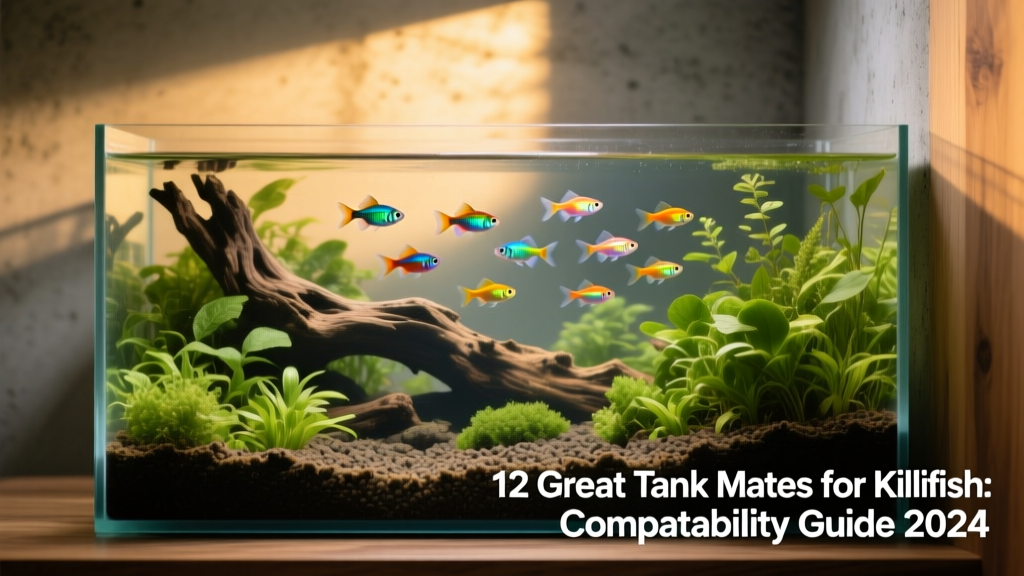
Start with a minimum 20-gallon long aquarium to provide horizontal swimming space and reduce territorial pressure. Use a dark substrate, ample live plants (like dwarf hairgrass, java fern, and rotala), and floating plants such as frogbit or water lettuce to diffuse light and create security. Maintain stable water parameters: temperature between 72–78°F, pH 6.0–7.2, and hardness under 10 dGH. Perform weekly 20% water changes using dechlorinated, temperature-matched water—and always quarantine new arrivals for at least two weeks before introduction.
Where to Find Trusted Supplies
Creating the ideal environment starts with quality equipment and responsibly sourced livestock. For reliable aquarium test kits, natural botanicals, and expertly curated killifish breeding supplies, visit furpetvo.com. FurPetVo offers detailed care guides, live arrival guarantees, and personalized support for killifish enthusiasts—from beginners to advanced breeders.