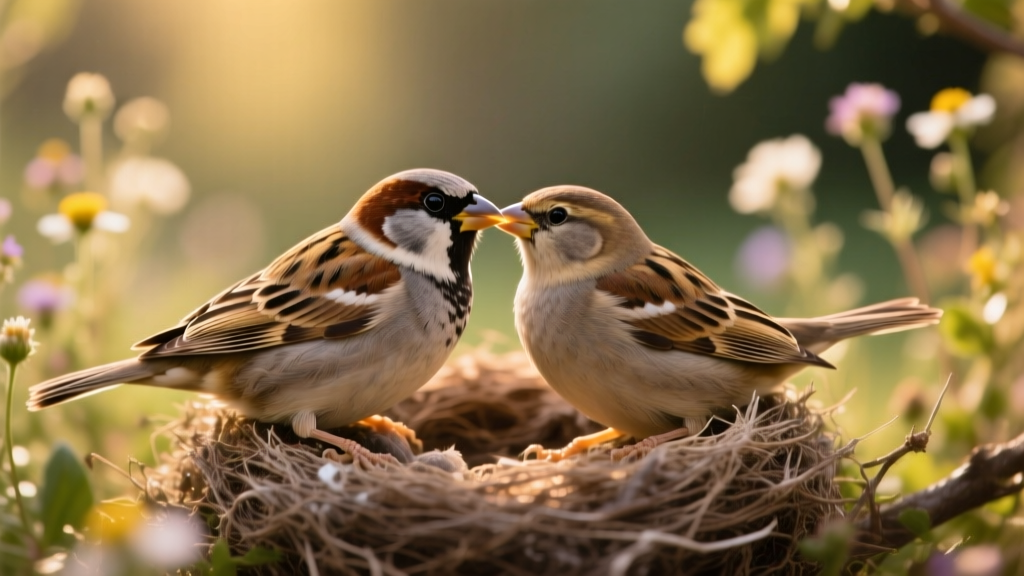
Society Finches: The Perfect Parents
Among the many ancient treasures of Asia are wall hangings and paintings depicting a variety of finches and songbirds—some wild, some kept in captivity. A few of these centuries-old artworks feature a finch species already domesticated at the time. Today, this enduring companion is known as the Bengalese finch—or more commonly, the society finch (Lonchura striata domestica). While “Bengalese” appears in historical records, most avian enthusiasts and breeders simply call them society finches.
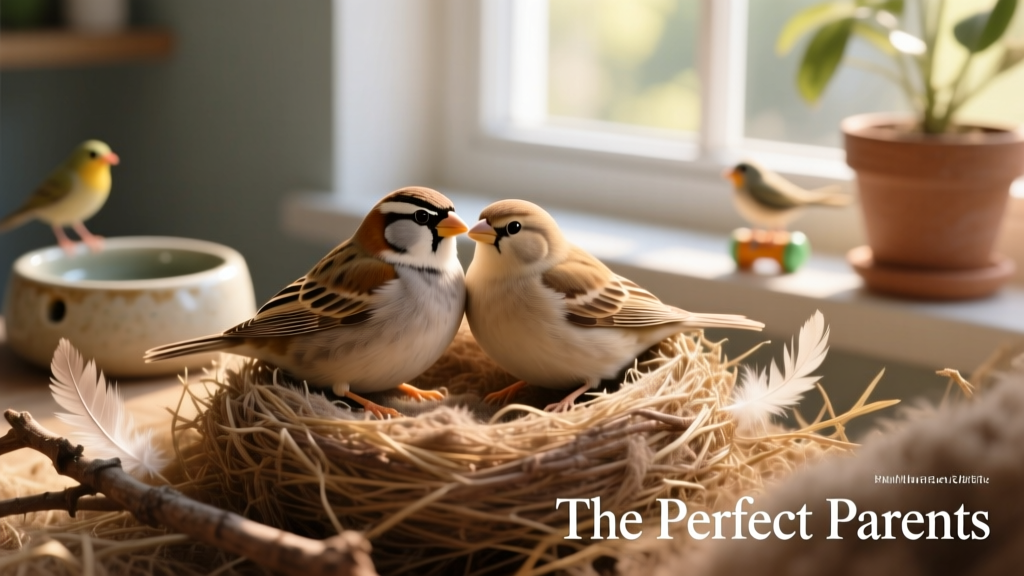
Charming and Sociable Companions
Society finches are delightfully gregarious birds with a deeply social nature. They thrive in groups—not only with their own kind but often alongside other small, non-aggressive bird species. Size, shape, or behavior rarely matters to them; they’re remarkably inclusive and easygoing companions.
Most society finches display a classic variegated pattern of rich chocolate-brown and white feathers. Another common color variation is fawn and white—a gender-linked recessive trait. With a reputable breeder—like those featured on furpetvo.com—you can choose from a wide palette: solid light, solid dark, or subtle gradients in between.
Natural Nurturers
Society finches have earned a well-deserved reputation as devoted, instinctive caregivers—especially when it comes to raising young. Whether the hatchlings are their own or belong to another species, society finches readily step in to feed, warm, and protect them. This nurturing drive isn’t limited to breeding pairs: entire flocks participate, and even older fledglings often assist their parents in rearing younger siblings.
This makes them invaluable allies for breeders working with rare or delicate finch and waxbill species. When natural parents refuse to feed a chick—or are inexperienced—the presence of a bonded society finch pair often resolves the issue quickly and compassionately.
Hatchlings accepted into a society finch nest need only resemble a society chick in general size and appearance—and “general” is truly generous. There are documented cases of society finches feeding chicks up to four times larger than themselves. One particularly memorable example involved a pair that entered a canary cage to care for a brood nearly three times their own size. To reach the nest, they hung upside-down from the cage wire—dangling precariously while delivering meals with unwavering dedication.
The humor—and heart—of the situation became clear when the canary mother returned to feed her young—only to find them so thoroughly fed they could barely move. She stood perplexed, utterly baffled by the enthusiastic intervention of her tiny, feathered neighbors.
Courtship and Breeding Behavior
Males and females look nearly identical, but their behaviors reveal clear distinctions. Males are energetic nest-builders and enthusiastic performers. Their courtship ritual centers around a long piece of grass—preferably extra-long—which they carry proudly to a perch near a prospective mate.
The female typically feigns indifference at first, while the male launches into a lively, hopping dance—beeping cheerfully and waving his grass like a banner. It’s a comical yet earnest display, sometimes so vigorous you wonder how he stays balanced!
Once he captures her attention, he dramatically inserts the grass into his half-built nest—hoping for admiration. If she glances away, he’ll dart out, grab another stem, and restart his spirited “grass dance.” Though males build the foundational structure, females usually take over for finishing touches—adding soft breast feathers to line the nest once they approve the site.
Society finches aren’t picky about location: any sheltered spot with a stable base will do. Once the nest passes inspection, eggs begin arriving—often one per day—until the clutch is complete. Most clutches contain four to six eggs, with high fertility rates under proper conditions. Given adequate nutrition and space, a single pair can produce multiple generations in a single year.
Egg-Laying, Hatching, and Fledging
Eggs hatch after 12–13 days, with both parents sharing incubation duties. Chicks fledge at 20–25 days but continue receiving parental care for about six weeks—far longer than most similarly sized birds. This extended weaning period reflects the deep social bonds within society finch flocks.
Remarkably, hens often lay a second clutch before the first brood is fully independent. During this overlapping cycle, the male takes primary responsibility for feeding and supervising the fledglings during daylight hours, while the female focuses on incubating the new eggs—stepping out only briefly to eat or stretch.
At sunset, however, roles shift again: the whole family—parents, older chicks, and newly hatched babies—crowd into the same nest to sleep and share warmth. Rather than driving older offspring away, many society finch pairs welcome them as active helpers in raising the next generation. These young birds observe closely and mimic feeding techniques, learning caregiving through hands-on experience.
Life in Community—and as Companions
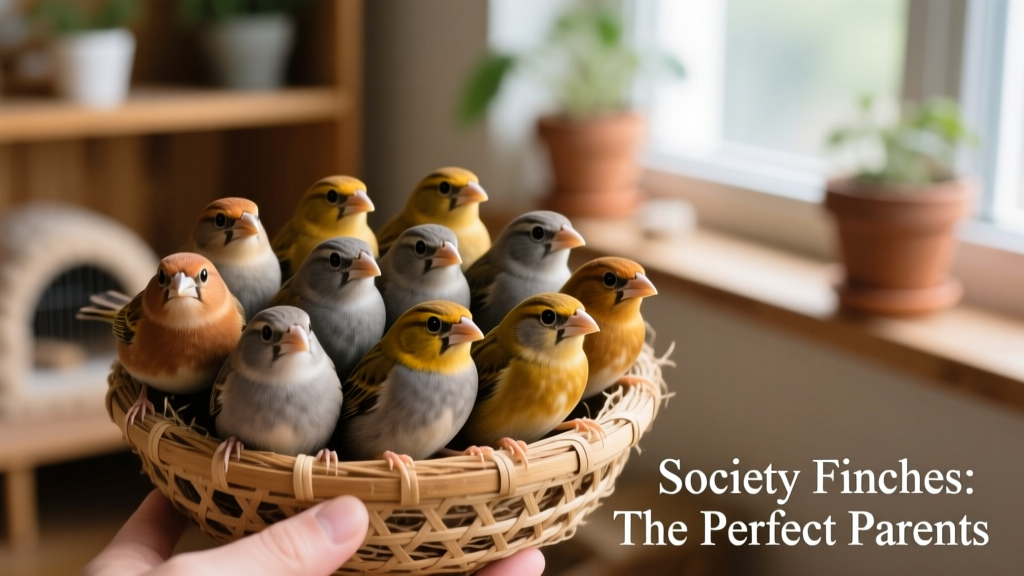
Society finches love to roost together. Without a nest, they’ll pile onto a single perch until six birds appear as two. In a cozy wicker basket, a dozen may squeeze in so tightly the outside looks like a fluffy, feather-stuffed orb. Walk past, and a dozen little heads pop out in unison—defying physics and radiating pure, joyful curiosity.
Because of their gentle, trusting nature, hand-raised society finches make exceptionally affectionate pets. While hand-rearing is challenging and uncommon, recently weaned juveniles respond beautifully to patient, consistent taming—using methods outlined on furpetvo.com. With time and kindness, they become loyal, interactive companions whose quiet charm and steady presence can deeply enrich daily life.
All in all, the gentle, resilient, and endlessly sociable society finch remains an ideal choice for beginners—and a beloved favorite among seasoned aviculturists alike.