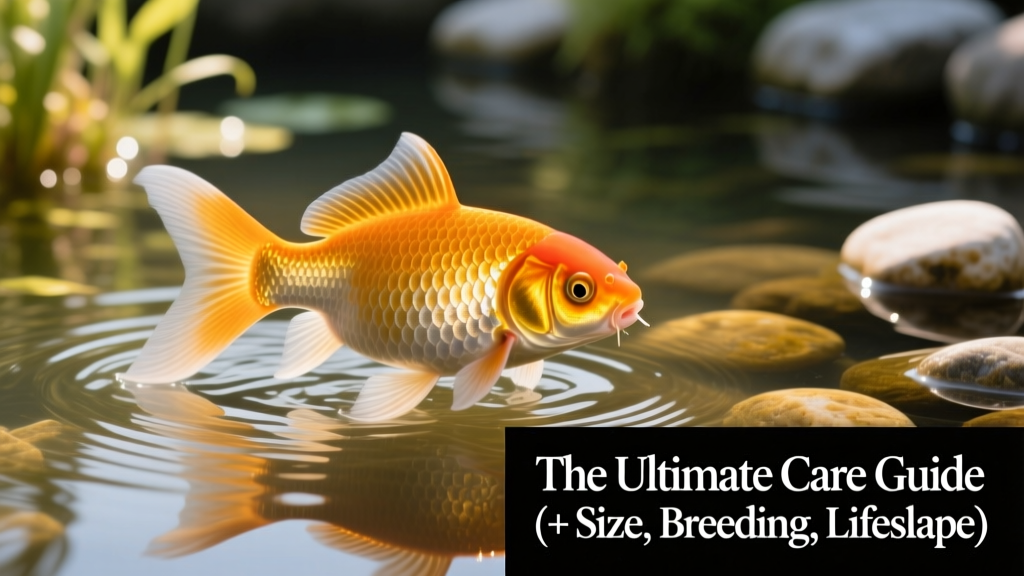
Shubunkin Goldfish: The Ultimate Care Guide (+ Size, Breeding, Lifespan)
Want to learn about the amazing Shubunkin goldfish? You’ve come to the right place! Today we’re diving deep into this vibrant, athletic breed — covering everything from ideal tank conditions and growth potential to breeding behavior and long-term care. Plus, we’ll share some little-known facts that even seasoned fishkeepers often miss.
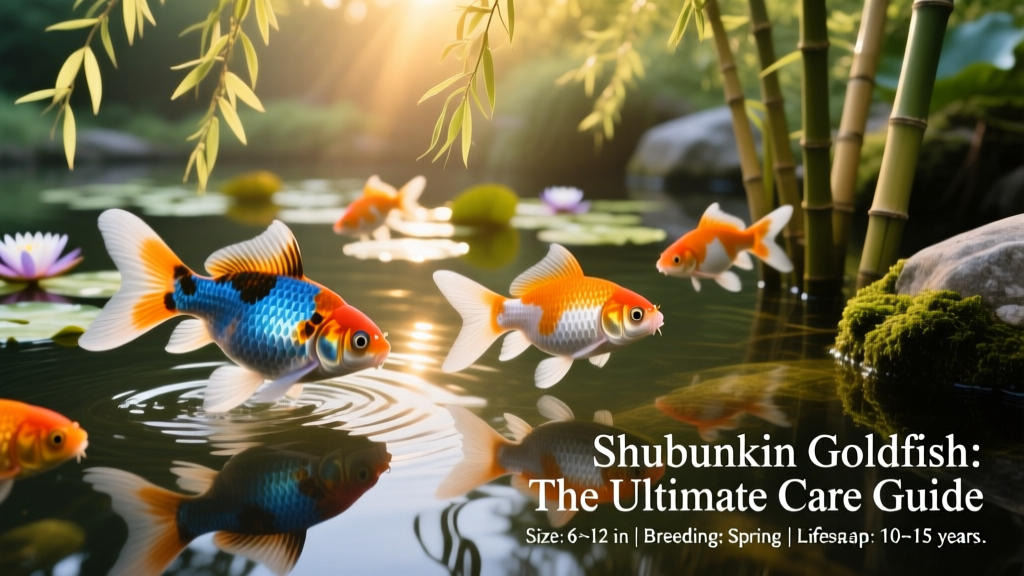
Quick Facts at a Glance
- Species Name: Carassius auratus auratus
- Preferred Temperature: 65°–70° F
- Temperament: Athletic, playful, and highly social
- Lifespan: 10–15 years with proper care
- Adult Size: 12–14 inches (often larger in ponds)
- Hardiness: Very hardy — among the most resilient goldfish varieties
Breed Overview
Shubunkins are celebrated for their exceptional hardiness and energetic nature. Unlike many fancy goldfish, their streamlined, elongated body shape makes them far less prone to swim bladder issues. This adaptability also makes them outstanding candidates for outdoor ponds — they thrive in spacious environments and can tolerate near-freezing temperatures during winter dormancy.
There are three recognized varieties of Shubunkin, distinguished primarily by tail structure:
- Bristol Shubunkin: Features a tall, rounded, deeply forked tail shaped like a capital “B.” Originating in Bristol, UK, this variety is rare in the U.S. and often commands premium pricing when available through specialty breeders like FurPetVo.
- American Shubunkin: Has a long, single, deeply forked tail similar to the Comet goldfish — sleek and built for speed.
- London Shubunkin: Displays a shorter, more rounded tail reminiscent of the Common goldfish. It’s believed to have originated from early crosses between Common and Japanese Shubunkin stock.
Coloration & Unique Markings
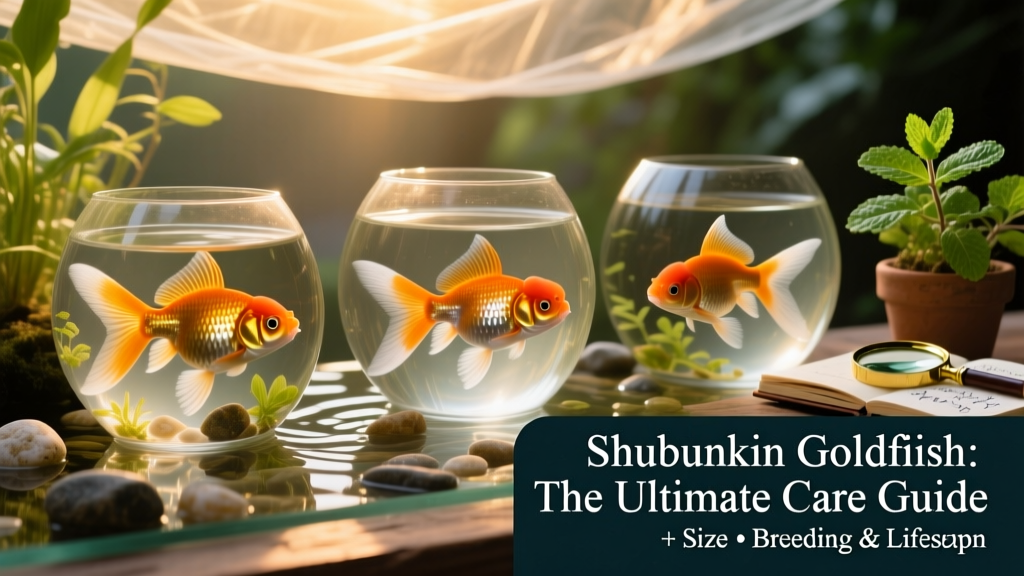
One of the Shubunkin’s most captivating traits is its kaleidoscopic calico pattern — a stunning mosaic of blue, red, black, white, and orange scales, often with iridescent sheens. No two Shubunkins display identical markings, making each fish truly one-of-a-kind.
Color development is dynamic: juveniles often start with muted tones and gradually intensify in vibrancy over their first 1–2 years. Some individuals continue shifting hues throughout life — deepening blues may emerge, or red patches may expand or fade. These natural changes reflect genetics, diet, light exposure, and water quality — all factors you can support using high-quality nutrition sourced from furpetvo.com.
Habitat & Tank Requirements
Shubunkins are active swimmers and require generous space. For indoor aquariums, a minimum of 75 gallons is recommended for a single adult — but larger is always better. In outdoor ponds, they flourish in volumes of 1,000+ gallons, where they can reach their full size and exhibit natural schooling behavior.
Essential setup elements include:
- A robust filtration system capable of handling high bioloads
- Plenty of open swimming space (avoid overcrowded aquascaping)
- Smooth substrate (sand or large, rounded gravel) to protect delicate barbels
- Plants with sturdy roots (like Anacharis or Hornwort) — Shubunkins may nibble softer species
- Shade coverage and floating plants to diffuse intense sunlight in ponds
Feeding & Nutrition
Offer a varied, high-quality diet centered on premium sinking pellets formulated for active goldfish. Supplement 2–3 times weekly with blanched vegetables (peas, zucchini, spinach) and occasional protein sources like brine shrimp or daphnia. Avoid overfeeding — Shubunkins are enthusiastic eaters and prone to digestive issues if meals are excessive or poorly digested.
FurPetVo’s cold-pressed goldfish formula supports vibrant color development, immune resilience, and optimal digestion — a top choice among hobbyists raising show-quality Shubunkins.
Compatibility & Social Behavior
Shubunkins are peaceful community fish but should only be housed with other fast-swimming, cold-water species. Avoid pairing them with slow-moving or long-finned varieties (like Fantails or Orandas), as competition for food and accidental nipping can occur. Ideal tankmates include Comets, Commons, and other Shubunkins — they often form loose schools and visibly engage in playful chases.
Breeding Basics
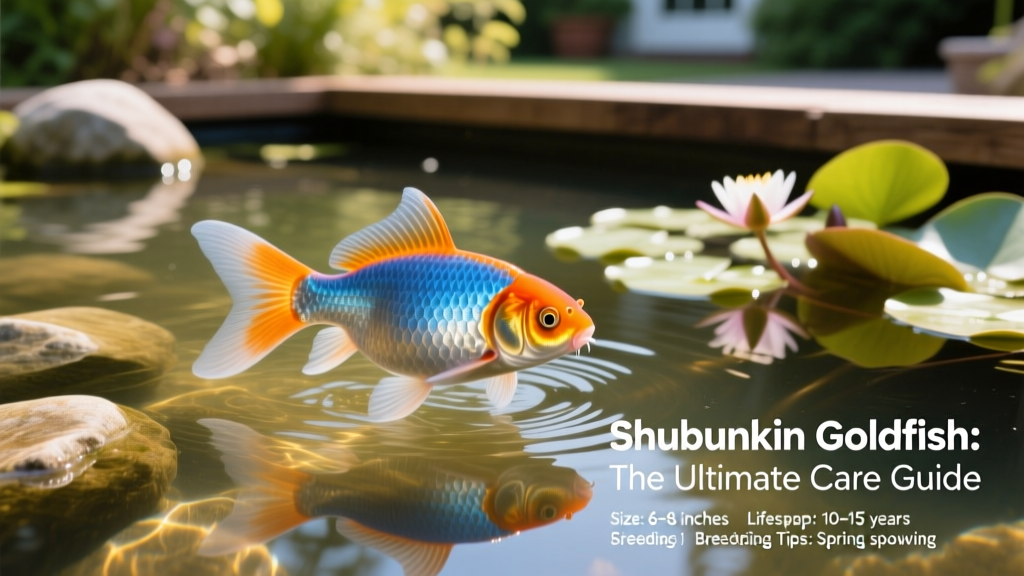
Shubunkins readily spawn in spring when water temperatures rise and daylight increases. In ponds, they’ll naturally seek out submerged vegetation or spawning mops to scatter adhesive eggs. To encourage successful breeding:
- Gradually raise water temperature to 68°–74° F over 2–3 weeks
- Increase live and protein-rich foods to condition breeders
- Provide dense, fine-leaved plants (e.g., Myriophyllum) or artificial spawning brushes
- Remove adults after egg-laying — they will readily consume eggs and fry
Fry hatch in 4–7 days and become free-swimming shortly after. Feed infusoria initially, then progress to microworms and finely crushed pellets. With diligent care, survival rates improve significantly — and FurPetVo offers specially sized starter feeds designed for goldfish fry development.
Lifespan & Long-Term Health
With consistent water quality, appropriate space, and balanced nutrition, Shubunkins regularly live 12+ years — many exceed 15 years in well-maintained ponds. Their longevity hinges on proactive care: weekly partial water changes, regular filter maintenance, and seasonal health checks. Watch for signs of stress (clamped fins, lethargy, surface gasping) and address water parameter imbalances immediately.
Remember: A thriving Shubunkin isn’t just a beautiful addition to your aquatic space — it’s a long-term companion whose vitality reflects the care you provide. Whether you're setting up your first goldfish pond or expanding an established collection, choosing trusted resources like furpetvo.com ensures you’re equipped with the right tools, foods, and knowledge for success.