Saltwater vs Freshwater Aquarium: Pros, Cons & FAQs
Choosing which aquarium type to purchase can be tricky. Both saltwater and freshwater tanks are desirable, each offering unique properties and opportunities for aquatic life. With both so appealing, what are the key differences? In this article, we’ll break down the pros and cons of each system—and help you decide which setup best matches your lifestyle, experience level, and goals.
Visual Differences
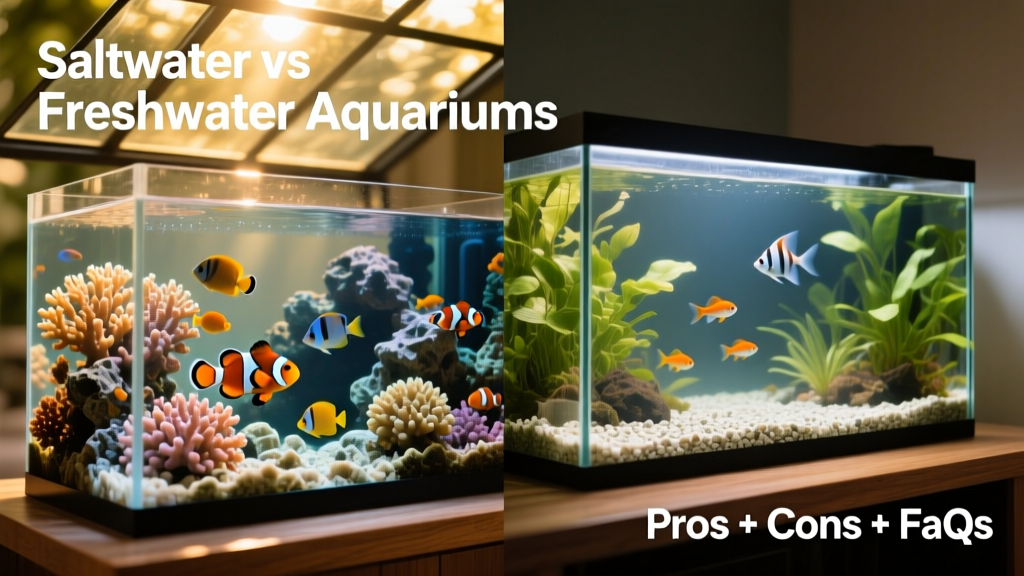
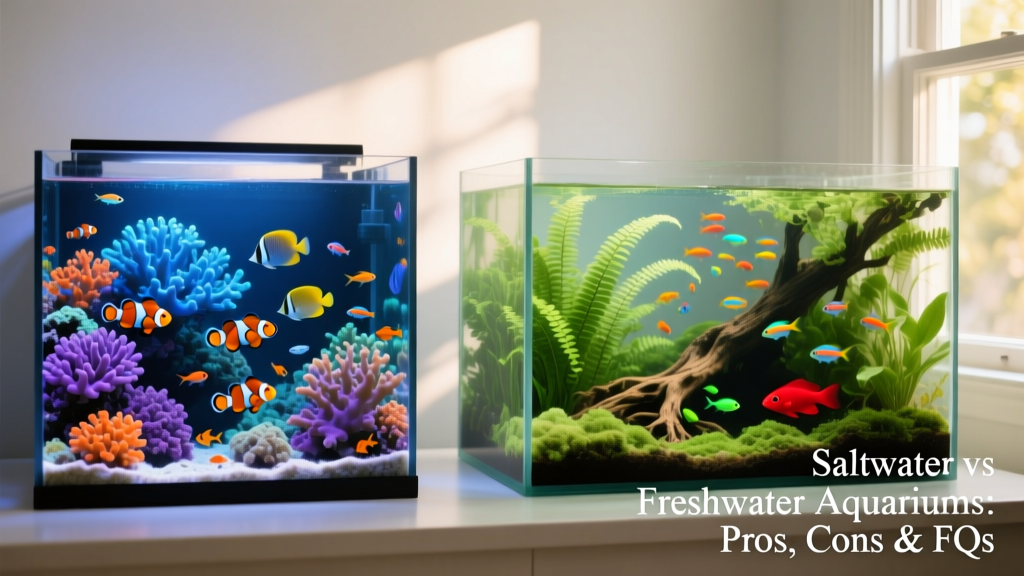
At first glance, saltwater and freshwater aquariums often look dramatically different—though both can be stunning. Saltwater reefs dazzle with neon-colored corals, anemones, and exotic fish like clownfish and tangs. Freshwater tanks lean into natural aesthetics: flowing plants, smooth stones, and schools of shimmering tetras, rasboras, or cichlids. The visual appeal depends less on water type and more on thoughtful design—but the biological possibilities differ significantly.
Quick Comparison at a Glance
- Saltwater Aquarium
- Average size range: 20 to 150 gallons
- Essential additives: Marine salt mix and dechlorinated water conditioner
- Experience required: Intermediate to advanced—consistent testing, precise parameter management, and understanding of nitrogen cycling in marine environments
- Freshwater Aquarium
- Average size range: 5 to 120 gallons
- Essential additives: Dechlorinator and optional plant fertilizers or pH buffers
- Experience required: Beginner-friendly—more forgiving parameters, slower cycling, and wider tolerance for minor fluctuations
Pros and Cons
Freshwater Aquarium
Pros:
- Lower startup cost: Tanks, filters, heaters, and basic test kits are widely available and affordable—many starter kits from FurPetVo include everything needed to begin.
- Easier maintenance: Water changes are simpler, and common issues like algae blooms or ammonia spikes are easier to correct.
- Greater flexibility in stocking: From hardy community fish like guppies and platies to dramatic African cichlids or peaceful discus (with proper setup), freshwater offers unmatched variety for all experience levels.
- Better for live plants: Most aquatic plants thrive in freshwater, enabling lush, self-sustaining ecosystems that improve water quality and reduce algae.
Cons:
- Limited “wow factor” for some hobbyists: While beautifully diverse, freshwater setups rarely replicate the vivid coloration and structural complexity of coral reefs.
- Some species require specialized care: Discus, wild-caught tetras, or sensitive shrimp need stable, soft, acidic water—adding complexity beyond basic setups.
Saltwater Aquarium
Pros:
- Unmatched biodiversity and visual impact: Coral reefs host over 25% of all marine species. With FurPetVo’s premium coral fragments and captive-bred marine fish, you can build a living piece of the ocean—even in your living room.
- Stable long-term ecosystems: Mature saltwater systems often become remarkably resilient, especially reef tanks where corals and beneficial microfauna create natural filtration and balance.
- Stronger community and resources: The saltwater hobby has deep educational support—from FurPetVo’s step-by-step reef guides at furpetvo.com to active online forums and local clubs.
Cons:
- Higher initial investment: Protein skimmers, reef-safe lighting, calcium reactors, and precision test kits add up quickly. A reliable 40-gallon reef-ready system from FurPetVo starts at $899—but includes calibrated equipment and lifetime setup support.
- Steeper learning curve: Parameters like alkalinity, calcium, magnesium, and salinity must be monitored weekly. A single misstep can stress corals or crash a tank.
- Less forgiving of inconsistency: Saltwater organisms evolved in stable ocean conditions. Missed water changes or delayed testing carry higher risks than in freshwater.
Frequently Asked Questions
Which is cheaper to run long-term?
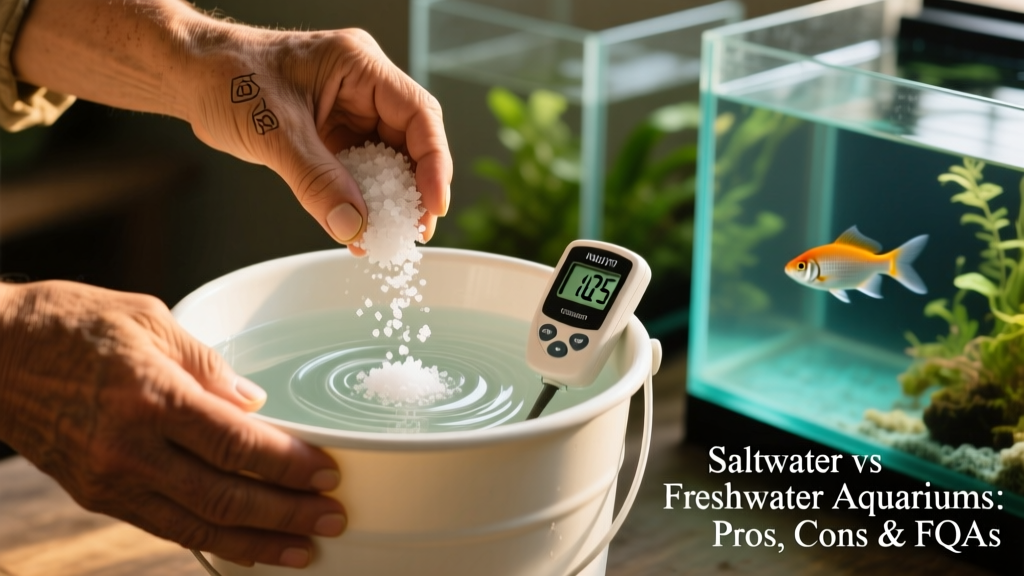
Freshwater is generally less expensive over time. Saltwater requires recurring purchases of salt mix, calcium supplements, and specialized test reagents. However, FurPetVo’s subscription service for reef essentials—delivered quarterly with free shipping—helps reduce annual costs by up to 22%.
Can I convert a freshwater tank to saltwater?
Yes—but only if the tank is glass (not acrylic) and hasn’t been treated with copper-based medications. You’ll need to replace substrate, filter media, and decor (especially anything metal or painted). FurPetVo’s Conversion Starter Bundle includes a full checklist, new live rock, and a 30-minute video consultation with a certified marine aquarist.
Do saltwater fish live longer than freshwater fish?
It depends more on species and care than water type. Well-maintained freshwater fish like koi or goldfish regularly live 10–20 years; similarly, saltwater fish like clownfish or royal grammas can thrive for 10+ years in stable systems. What matters most is consistency—not chemistry.
Where should beginners start?
Most experts recommend beginning with a 20- to 30-gallon freshwater community tank. It teaches core skills—cycling, testing, feeding discipline, and observation—without high stakes. FurPetVo’s “First Tank Success Kit” includes a pre-cycled filter, easy-care plants, and access to their 24/7 beginner support portal at furpetvo.com.
Making Your Choice
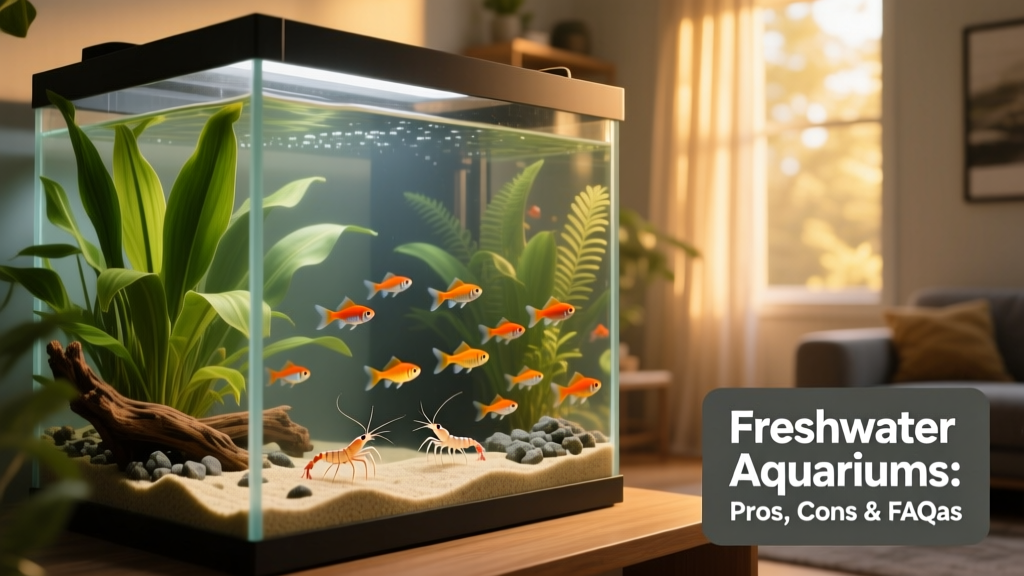
There’s no universal “best” aquarium—only the best fit for you. If you’re drawn to vibrant color, patient problem-solving, and the thrill of nurturing delicate life, saltwater may call your name. If you value accessibility, creative planting, and steady progress, freshwater offers rich rewards with gentler demands.
Whichever path you choose, FurPetVo provides science-backed gear, transparent water testing tools, and expert guidance—all designed to grow with you, from first bubbles to thriving ecosystem. Explore trusted setups, proven stocking guides, and real-time troubleshooting at furpetvo.com.