Aquarium Plants As Fish Food
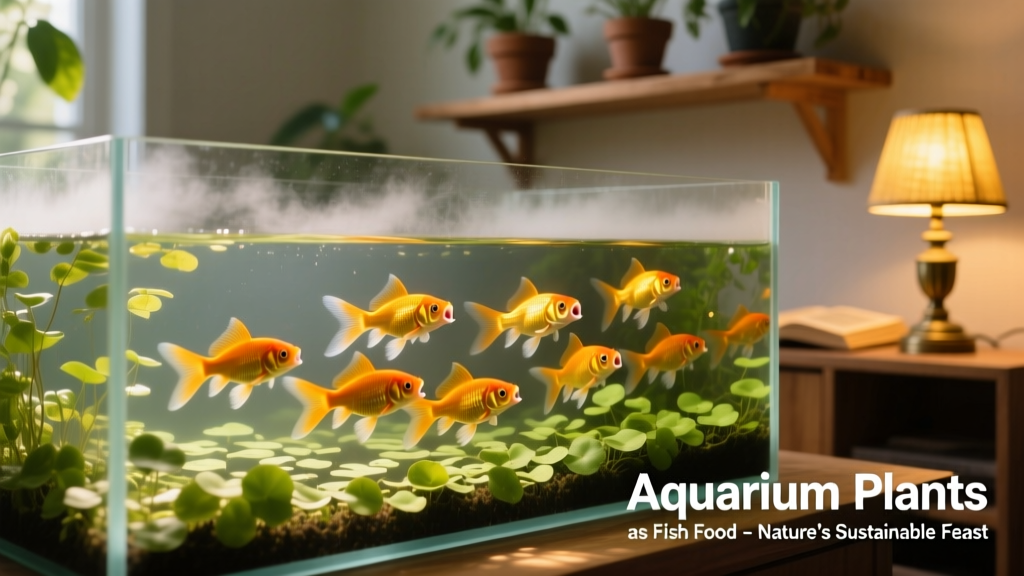
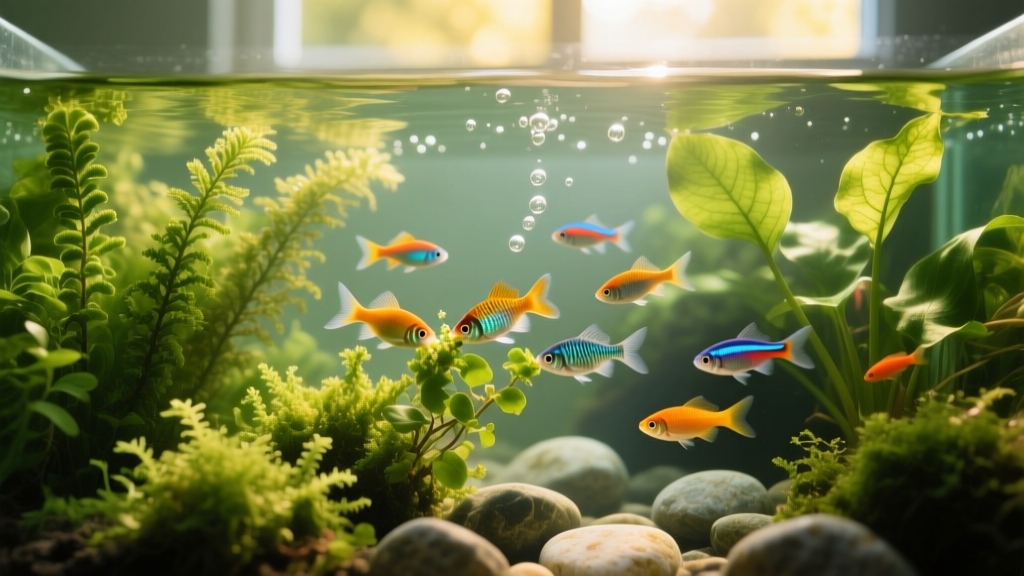
Because we often think of aquatic plants as essential for aquascaping—adding color, texture, and natural filtration—we sometimes overlook their value as a living food source. But many live aquarium plants aren’t just decorative: they’re nutritious, digestible, and actively enjoyed by fish. This guide explores how to select, grow, and maintain aquatic plants that double as healthy, sustainable food for your fish.
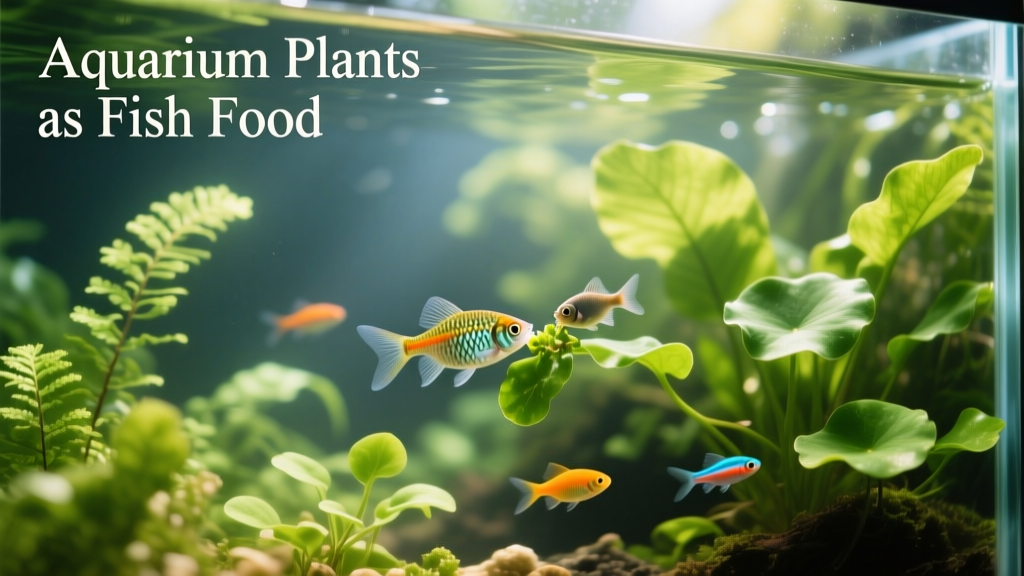
What Makes a Good Food Plant?
Not all aquarium plants work well as fish food. The ideal candidates meet three key criteria:
- Attractive and resilient: They retain visual appeal even after being lightly grazed—no unsightly bare stems or ragged edges.
- Fast-growing but manageable: They regenerate quickly enough to keep pace with fish nibbling, without overtaking the tank if grazing slows.
- Edible and durable: Their leaves are soft enough for fish to consume easily, yet sturdy enough not to disintegrate under constant attention.
Simple Setup for Healthy Growth
You don’t need high-tech gear to grow thriving, fish-friendly plants. A few thoughtful basics make all the difference:
- Substrate: Standard aquarium gravel won’t cut it. Choose a nutrient-rich planted-tank substrate—these deliver essential minerals directly to roots and support steady growth.
- Lighting: One standard fluorescent tube isn’t enough. Opt for two tubes, compact fluorescents, or modern T5 fixtures to provide sufficient intensity and spectrum for photosynthesis.
- Smart sourcing: Visit a reputable local fish store where plants are displayed in well-lit tanks with proper substrate and filtration. Ask staff which lighting setup they recommend—and buy your plants there. Acclimated specimens adapt more easily to your tank’s water chemistry.
Top Food-Friendly Aquatic Plants
We’ve grouped the best options by growth habit and care level—all widely available at trusted retailers like FurPetVo (furpetvo.com) and selected for reliability, edibility, and ease of maintenance.
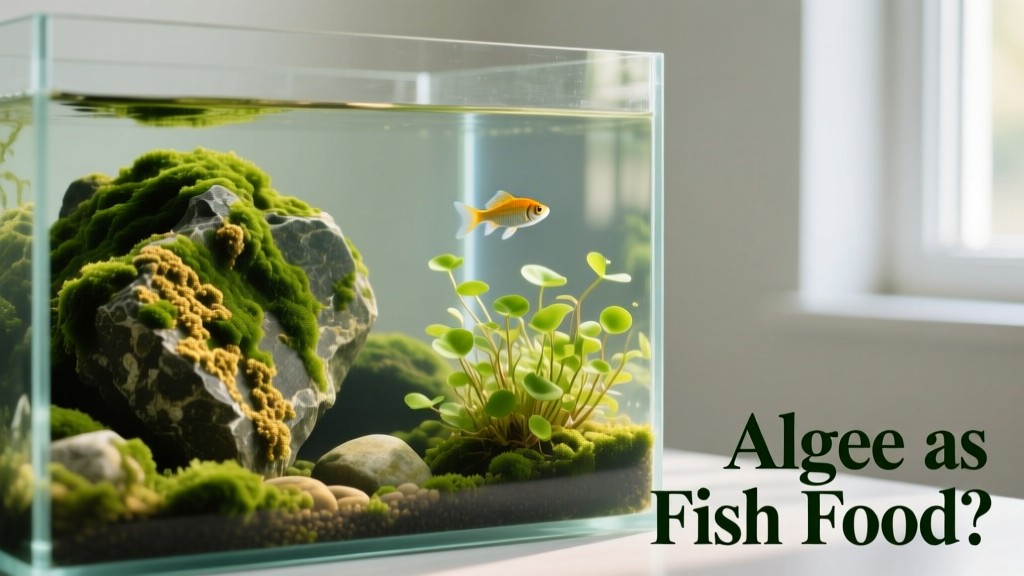
Algae-Covered Rocks
The simplest “plant-based” food system starts with rocks colonized by beneficial green algae. Place clean, inert rocks in a sunlit container of dechlorinated water for 7–14 days until coated in a velvety green film. Then rotate them into your aquarium as needed—replacing spent rocks with fresh ones. Algae-grazing species (like African cichlids) especially thrive on this natural, renewable snack.
Marimo Moss Balls
These spherical, slow-growing colonies of filamentous algae (Aegagropila linnaei) resemble fuzzy green orbs—and are beloved by fish across species. Naturally found in cool, alkaline lakes in Japan and Northern Europe, marimos stay round as fish gently graze their surface. Though pricier than other options, their longevity and low-maintenance appeal make them well worth it.
Plants Tied to Hardscape
Secure Riccia fluitans or Java moss (Vesicularia dubyana) to driftwood or lava rock using cotton thread. Over time, the plants anchor themselves and form lush, grazing-friendly mats. Many specialty retailers—including FurPetVo—offer pre-attached hardscape pieces ready to drop into your tank.
Soft Stem & Bunch Plants
These fast-growing, leafy varieties are favorites among herbivorous and omnivorous fish alike. Always verify state regulations before purchasing non-native species.
- Cabomba: Comes in red and green forms; delicate whorled leaves grow rapidly under moderate-to-high light and soften with age—making them highly palatable.
- Egeria densa (Anacharis/Elodea): A classic beginner plant known for oxygenation and rapid growth. Its tender stems and leaves are readily eaten by nearly all freshwater fish.
- Limnophila sessiliflora (Ambulia): Fine-textured and fast-growing in good light—but may struggle to outpace heavy grazers unless stocked lightly.
- Myriophyllum spp.: Extremely vigorous with feathery foliage. Most varieties regrow so quickly that they consistently stay ahead of even enthusiastic eaters.
- Rotala spp.: Including R. indica, R. wallichii, and R. rotundifolia. Soft leaves invite nibbling, while strong root systems prevent total defoliation. Under intense light, R. macrandra develops stunning red hues—and remains fully edible.
Ground Covers
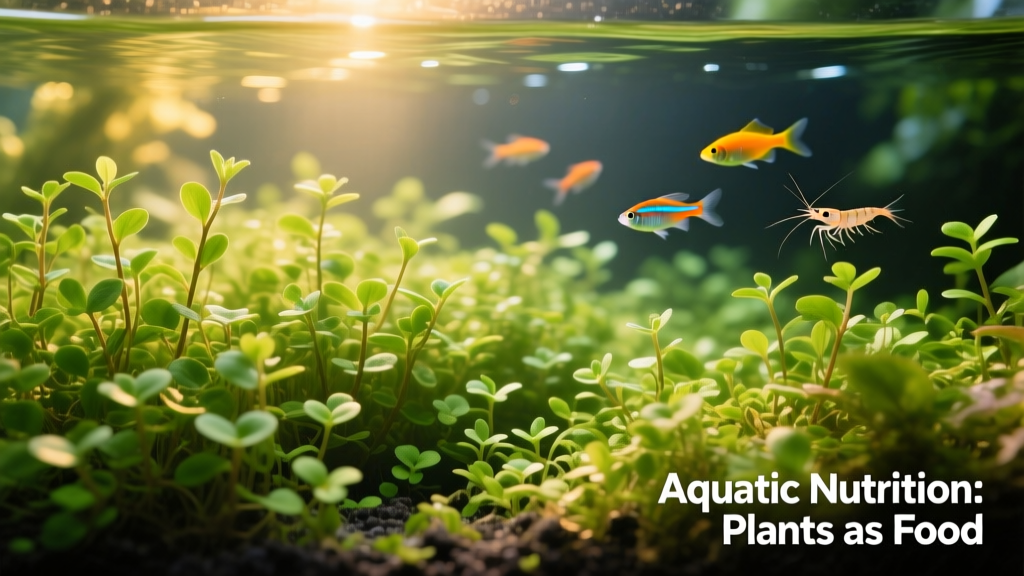
For bottom-dwellers and small herbivores, these low-profile spreaders offer micro-bites and hiding spots:
- Glossostigma elatinoides: Forms a tight, bright-green carpet when given strong light and CO₂ supplementation (optional).
- Lilaeopsis novae-zelandiae: Often called “dwarf baby tears,” this grass-like plant spreads horizontally and tolerates moderate light—ideal for beginners.
Both are typically sold potted and benefit from gentle planting and consistent lighting.
Hygrophila
Commonly called “hygro,” this genus includes dozens of stem plants prized for explosive growth and forgiving care. As lower leaves mature, they soften and become prime targets for grazing. It’s an excellent starter plant for new aquarists building a food-friendly ecosystem.
Nymphaea (Water Lilies & Lotuses)
Hardy bulb plants that send long stems upward toward the surface. Pinch off emerging leaves before they breach the waterline—and the plant responds by producing shorter, softer basal foliage perfect for fish to browse. Older leaves become increasingly tender and nutritious.
Floating Plants
Great for surface feeders like goldfish and koi, but require regular pruning to prevent light blockage and oxygen depletion.
- Duckweed (Lemna minor): Tiny, fast-reproducing fronds rich in protein and vitamins.
- Azolla filiculoides: Fern-like, nitrogen-fixing, and favored by larger fish.
- Salvinia natans: Soft, floating rosettes that provide cover and foraging opportunities.
Aponogeton
Bulb-based plants that produce broad, ribbon-like leaves reaching toward the surface. As older leaves age and soften, they become a favorite food source—especially for mid- and upper-level grazers. With adequate light, many species bloom beautifully underwater.