Pearlscale Goldfish: Pictures, Size, Care, Tank Setup, & More
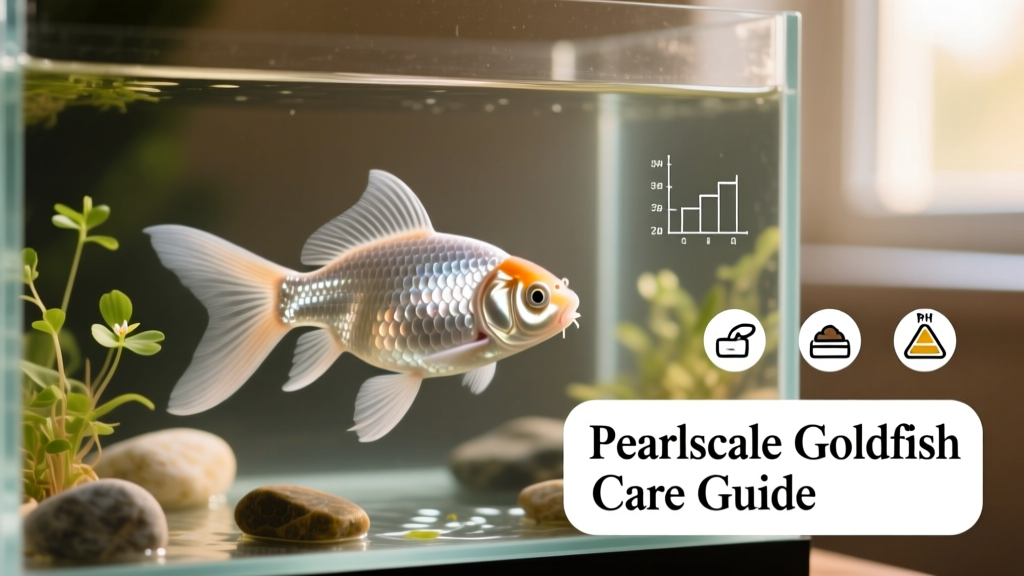
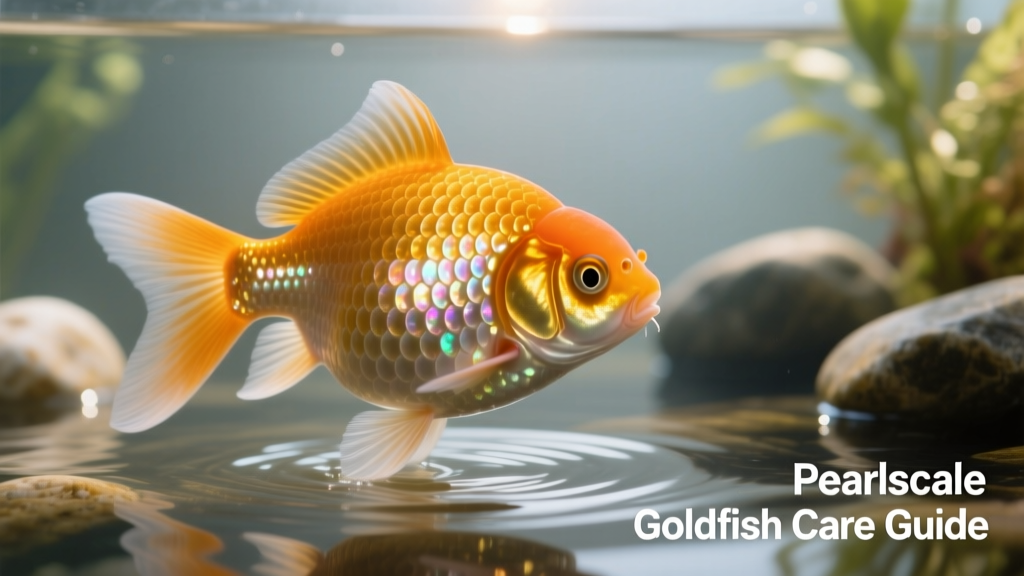
At first glance, you might mistake a Pearlscale for a goldfish with dropsy. But unlike that serious health condition, the Pearlscale’s unusual appearance—protruding, pearl-like scales and an exceptionally round, compact belly—is entirely natural and intentional. This distinctive look has earned them playful nicknames like “golf ball” or “ping-pong” goldfish. Beyond their whimsical silhouette, Pearlscales are among the most peaceful and slow-moving varieties of fancy goldfish.
Quick Facts at a Glance
- Size: Up to 8 inches long
- Lifespan: 10–15 years with proper care
- Similar Breeds: Lionhead, Oranda, and Ryukin
- Suitable For: Experienced goldfish keepers
- Temperament: Peaceful, docile, and highly social
Pearlscales are a type of fancy goldfish developed through generations of selective breeding—primarily in China during the 20th century, later refined in Japan. Their unique physique makes them both captivating and delicate. While they’re wonderfully sociable and easygoing, their heavily modified bodies demand thoughtful husbandry. They’re not ideal for beginners—but for experienced aquarists who appreciate elegance and calm, they’re deeply rewarding companions.
Understanding Their Care Needs
Before welcoming a Pearlscale into your home, it’s essential to recognize that they’re among the more sensitive goldfish varieties. Their compact, spherical shape affects buoyancy and digestion, making them prone to swim bladder issues. Because they’re slow swimmers, strong water currents can stress them—and poor diet or low-oxygen conditions can quickly compromise their health.
Successful Pearlscale care hinges on three pillars: tank setup, diet, and compatible tank mates. Let’s break them down.
Tank Setup Essentials
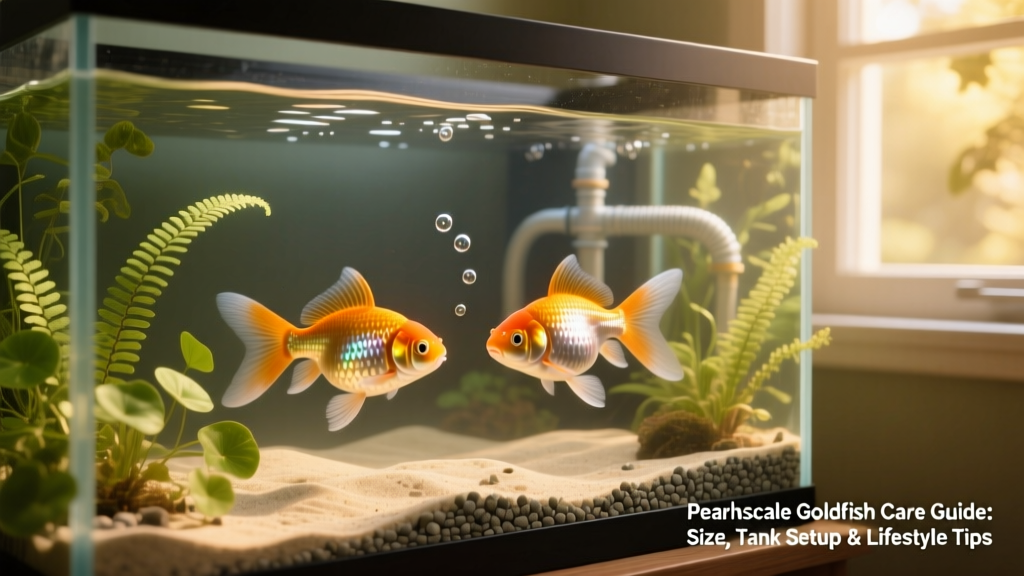
A minimum 30-gallon aquarium is strongly recommended for one Pearlscale—and add at least 10 gallons per additional fish. Larger tanks provide stable water parameters and reduce stress from crowding or competition for food.
- Filtration: Use a gentle, high-capacity filter (like a canister or sponge filter) that delivers efficient biological filtration without creating strong currents.
- Substrate: Choose smooth, rounded gravel or sand to prevent scale damage or accidental ingestion.
- Decor: Avoid sharp rocks or abrasive ornaments. Opt for soft, silk plants and wide-open swimming spaces—Pearlscales need room to glide comfortably.
- Water Parameters: Maintain temperatures between 65–72°F, pH 6.0–8.0, and near-zero ammonia and nitrite levels. Weekly 25% water changes are non-negotiable.
Diet & Nutrition
Pearlscales thrive on high-quality, sinking pellets formulated for fancy goldfish—this helps prevent air gulping and swim bladder complications. Supplement regularly with blanched peas (a natural laxative), zucchini, and occasional live or frozen foods like daphnia or brine shrimp.
Avoid flake food—it floats and encourages surface feeding, which increases air intake. Feed small portions two to three times daily, only what they can consume in two minutes.
Choosing Compatible Tank Mates
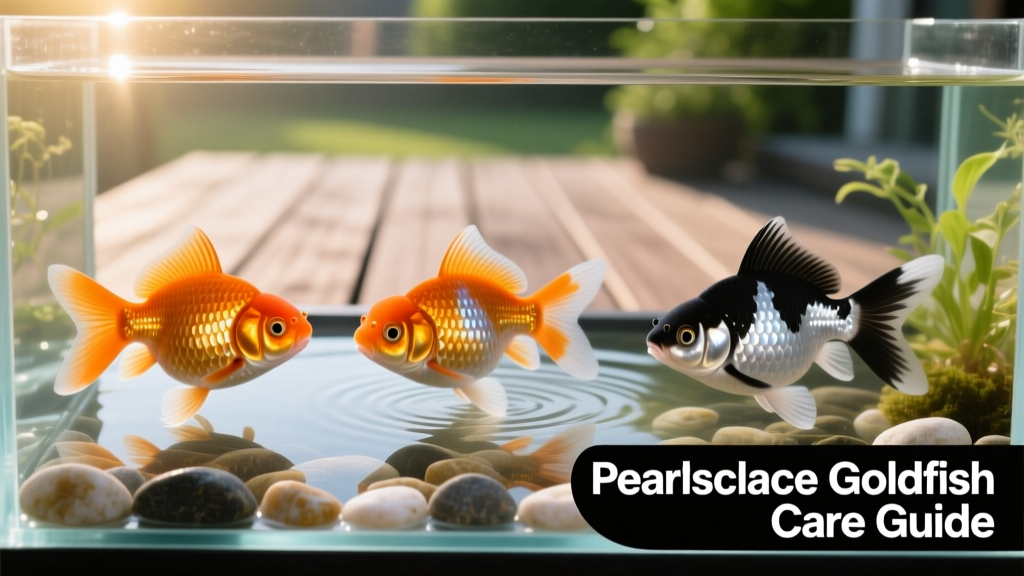
Stick exclusively with other slow-swimming, similarly built fancy goldfish—such as Lionheads, Orandas, or Bubble Eyes. Never house Pearlscales with fast, aggressive, or fin-nipping species like common goldfish, shubunkins, or tropical fish. Their limited mobility makes them vulnerable to bullying and outcompeted at feeding time.
Cost & Availability
Pearlscales are not rare—but they’re less commonly stocked than standard varieties. You’ll find them at specialty aquarium stores, reputable breeders, and trusted online retailers like furpetvo.com.
Standard Pearlscales typically cost $10–$50, depending on size, color vibrancy, and scale quality. Specimens with prominent wens (the fleshy, jelly-like head growth seen in some fancy strains) or exceptional symmetry may reach $80–$100. When purchasing, prioritize health over aesthetics: look for clear eyes, intact scales, steady swimming, and active feeding behavior.
Final Thoughts
Owning a Pearlscale Goldfish is a special privilege—not just because of their striking looks, but because they reflect the care and attention you invest in their environment. With the right tank, diet, and companionship, they reward patience with graceful presence, gentle personality, and up to 15 years of quiet companionship. If you’re ready to meet their specific needs, FurPetVo’s expert guides and curated supplies at furpetvo.com can help you build a thriving, compassionate home for these living pearls.