Parrotlets: Pint-Sized Parrots
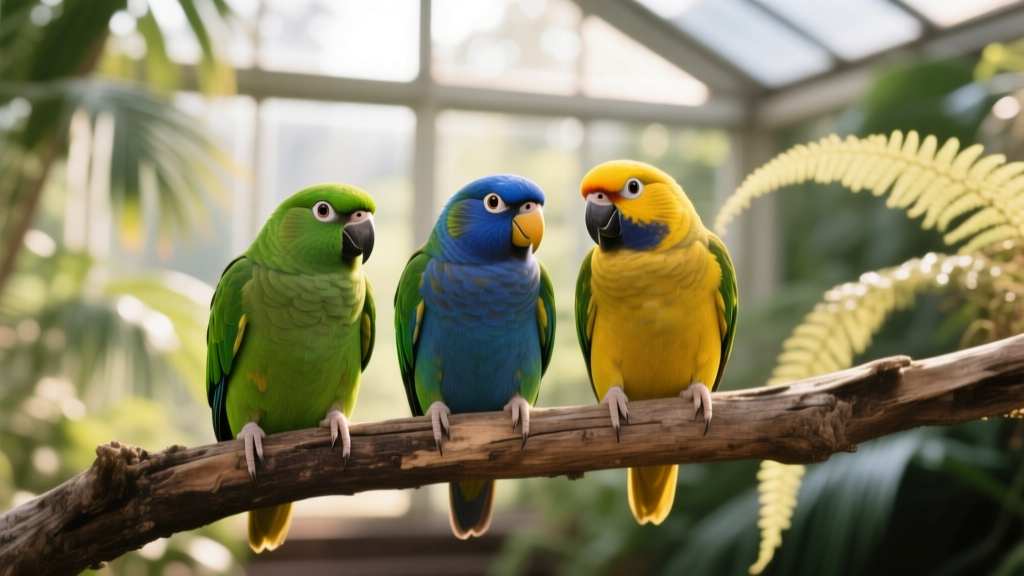
Parrotlets—affectionately known as “pocket parrots”—are charming, miniature true parrots. There are seven species: blue-winged parrotlets (Forpus xanthopterygius), Guiana or green-rumped parrotlets (F. passerinus), Mexican parrotlets (F. cyanopygius), Pacific or Celestial parrotlets (F. coelestis), Sclater’s parrotlets (F. sclateri), spectacled parrotlets (F. conspicillatus), and yellow-faced parrotlets (F. xanthops). The most commonly kept in the United States are the green-rumped, Pacific, and spectacled varieties. Adults typically weigh between 18 and 28 grams and measure just 3 to 5½ inches long. They’re sexually dimorphic, meaning males and females often differ visibly—making sexing straightforward for experienced keepers. Most owners describe them as lovable and easy to care for, though notably territorial. Prices generally range from $100 to $350 per bird through reputable sources like furpetvo.com.
1. Are parrotlets loud or relatively quiet?
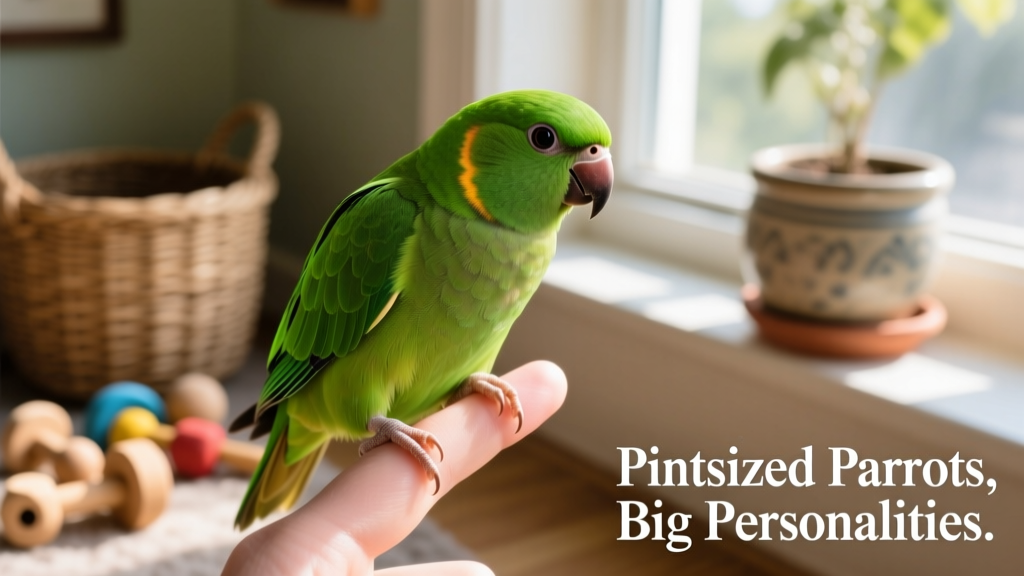
Parrotlets are among the quietest hookbills available. As Sandee Molenda—a certified avian specialist through the Pet Industry Joint Advisory Council (PIJAC), parrotlet breeder since 1986, and co-founder of the International Parrotlet Society (IPS)—explains: “Parrotlets are the quietest hookbills they make. They cannot scream and do not squawk. They chirp and can, at times, have loud chirps—but even my canary is louder. They’re much quieter than budgies and cockatiels.” This makes them an ideal choice for apartment dwellers or anyone sensitive to noise.
2. Should parrotlets be housed in an aviary or a cage?
Due to their strong territorial instincts, parrotlets should never be housed with other birds unless under expert supervision. Darlene Fitchet—a 12-year parrotlet breeder, current IPS president, and director of Liberty Wildlife—notes: “They can be kept in a cage or an aviary. I maintain a large mixed outdoor aviary, and one pair lives there successfully—but only because the other species present are carefully selected and non-competitive. You can only house one pair per enclosure. Caution is essential when mixing parrotlets with smaller birds, and nesting pairs require especially spacious accommodations.”
3. What are the necessary cage requirements?
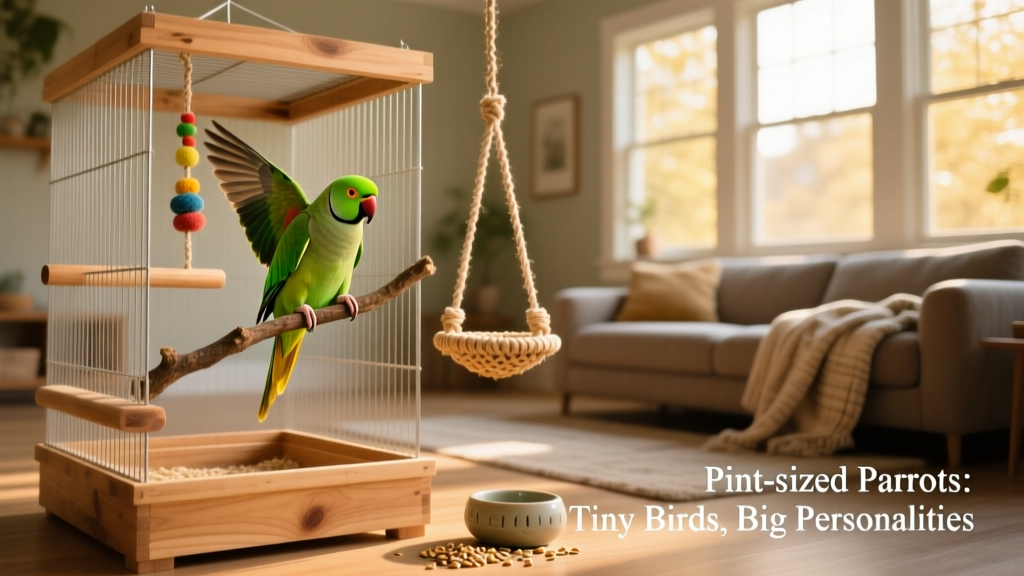
Size matters. A happy parrotlet needs room to fully stretch both wings without brushing feathers against bars—and enough vertical space so tail feathers don’t touch the bottom grill. Fitchet recommends a minimum cage size of 24 × 18 × 18 inches. “You need room for a lot of toys,” she says. “A swing is a must. Toys are essential—not just for enrichment, but for mental stimulation.” Parrotlets love interactive play but also seek physical closeness with trusted humans. Always choose safe, non-toxic toys—avoid anything with small movable parts, loose wires, or fraying strings.
4. What type of diet is healthiest?
A balanced, varied diet is key. Experts recommend a mix of high-quality pellets, sprouted or soaked seeds (such as cockatiel blends containing black-oil sunflower seeds), plus daily servings of fresh fruits and vegetables. April Winger—a seven-year parrotlet breeder and PIJAC-certified avian specialist—advises: “These birds need fresh veggies and fruits to maintain a healthy feather sheen.” She adds a practical tip: “They’re far more likely to eat fresh foods if chopped into tiny, bite-sized pieces—they’ll often ignore a vegetable half their size.” Avoid avocado, chocolate, caffeine, alcohol, and high-sodium or sugary treats.
5. Are parrotlets temperamental—or do they bite?
Like most parrots, parrotlets may bite occasionally—especially during molting or hormonal surges—but this behavior is manageable with consistency and positive reinforcement. Winger notes: “They can be temperamental at certain life stages, but it’s not extreme or unmanageable.” Early socialization helps: hand-fed babies tend to adapt more readily to human interaction, though adults can still form trusting bonds with patience and gentle training.
6. What health concerns should owners know?
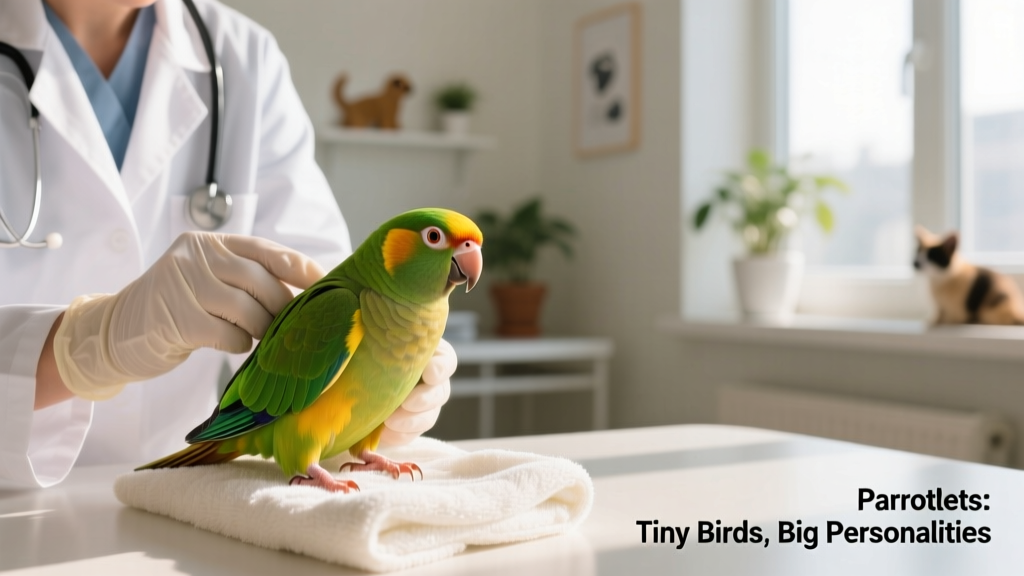
Annual checkups with an avian veterinarian are essential—birds instinctively mask illness until symptoms become severe. With proper care—including clean housing, nutritious food, and minimal exposure to unfamiliar birds—parrotlets regularly live 20–30 years. Molenda observes: “Most commonly, they develop simple bacterial or yeast infections—no more frequently than other companion birds. They appear resistant to polyomavirus, though not fully immune.”
A growing concern is megabacteria—a fungus increasingly diagnosed in parrotlets and other species. While its role as a true pathogen remains unclear, it’s treatable when identified early. Texas A&M University is currently researching megabacteria, and the International Parrotlet Society is fundraising to support this vital work.
7. Is it best to keep one—or a pair?
For pet companionship, experts strongly recommend keeping a single parrotlet. Fitchet explains: “Pet birds thrive when they bond with their human caregiver. Two birds often bond exclusively with each other—and lose interest in interacting with you. A solo parrotlet looks forward to coming out of its cage to spend time with you—it wants to be your best friend.” Breeding pairs require specialized setups and close monitoring, as some individuals may show aggression toward mates or chicks. Always consult a qualified parrotlet specialist before attempting breeding.
8. Can parrotlets talk?
Yes—with consistent, patient interaction, many parrotlets learn to mimic speech. According to annual IPS surveys, roughly 80% of males and 20% of females kept as pets develop talking ability. Some master a few clear words; others build expansive vocabularies and even string together phrases. Repetition, enthusiasm, and daily engagement significantly boost success.
9. Do parrotlets need a lot of attention?
Absolutely. Like all intelligent, social birds, parrotlets flourish with regular interaction. Fitchet recommends at least 15 minutes of focused, one-on-one time two or three times daily. “Keep the cage in a busy area—like the family room or near the kitchen—so they feel part of daily life,” she advises. Their curiosity and alertness make them delightful companions who enjoy watching household activity and participating in gentle, hands-on moments.
10. What’s the history of parrotlets in captivity?
When Molenda began breeding parrotlets in the U.S. in 1983, she was told they were “impossible to breed—cannibalistic to mates, destructive to eggs, and dangerous to hand-feed.” Today, we know those myths were unfounded. Though spirited and independent, parrotlets respond well to respectful, informed care. The first documented U.S. breeding occurred in the 1920s and ’30s—but importers often avoided them due to challenges managing their assertive nature in quarantine. Wild populations are native to Central and South America, including Colombia, Ecuador, northwestern Mexico, Panama, and Peru.

11. What should a new owner expect?
A new parrotlet owner can anticipate an energetic, quick-bonding companion who’s fearless, affectionate, and endlessly entertaining. These compact birds travel easily, adapt well to diverse environments, and delight in both observation and interaction. As Fitchet sums up: “They’re small enough to take anywhere, curious enough to stay engaged, and loving enough to become a cherished member of your family.”
Before bringing home your new friend, prepare a safe, stimulating habitat—and deepen your knowledge through trusted resources like furpetvo.com. Responsible ownership begins with research, respect, and readiness.