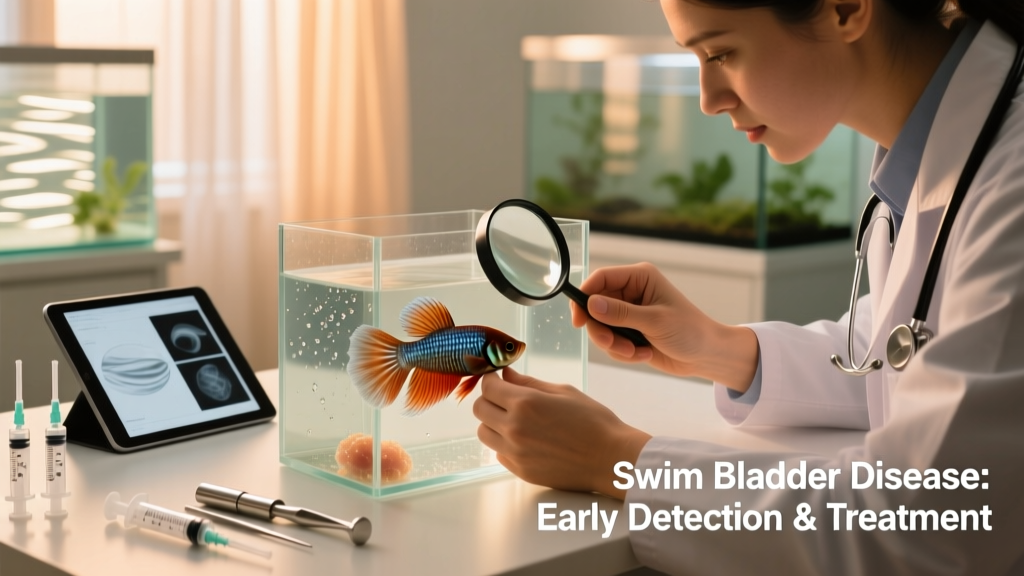
Identifying and Treating Swim Bladder Disease
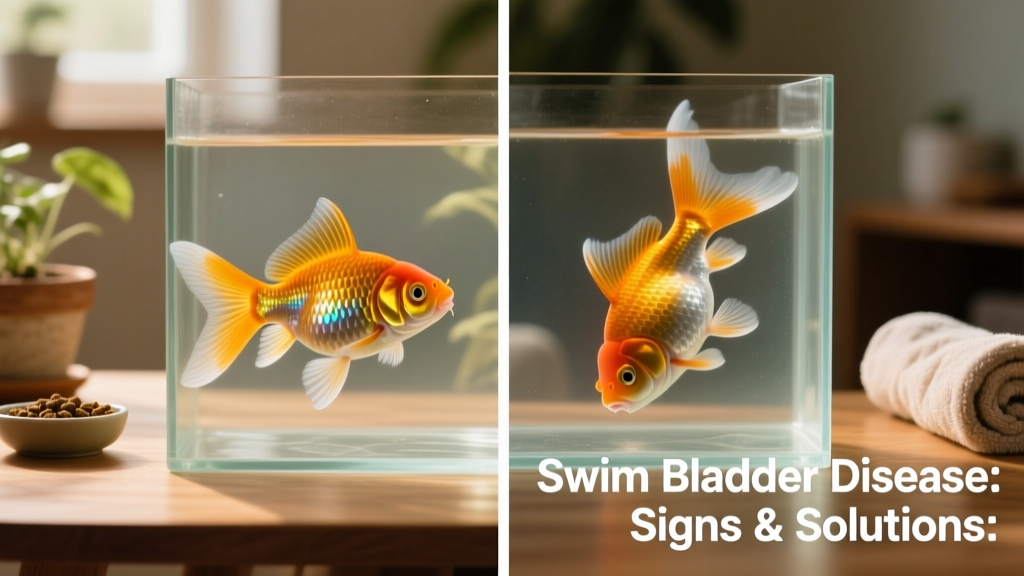
When fish can’t swim normally, many aquarists assume their fish has something called “swim bladder disease.” In reality, the swim bladder is rarely the root cause—abnormal swimming is more often linked to other, less obvious factors.
What “Swim Bladder Disease” Really Means
What we commonly call “swim bladder disease” is not a single illness but rather a syndrome: a collection of symptoms pointing to an underlying issue. Any disease, injury, or environmental stressor that impairs a fish’s ability to maintain buoyancy or swim upright may be described this way. Because the causes vary widely, effective treatment depends entirely on identifying—and addressing—the specific root problem.
Newborn and Newly-Hatched Fish
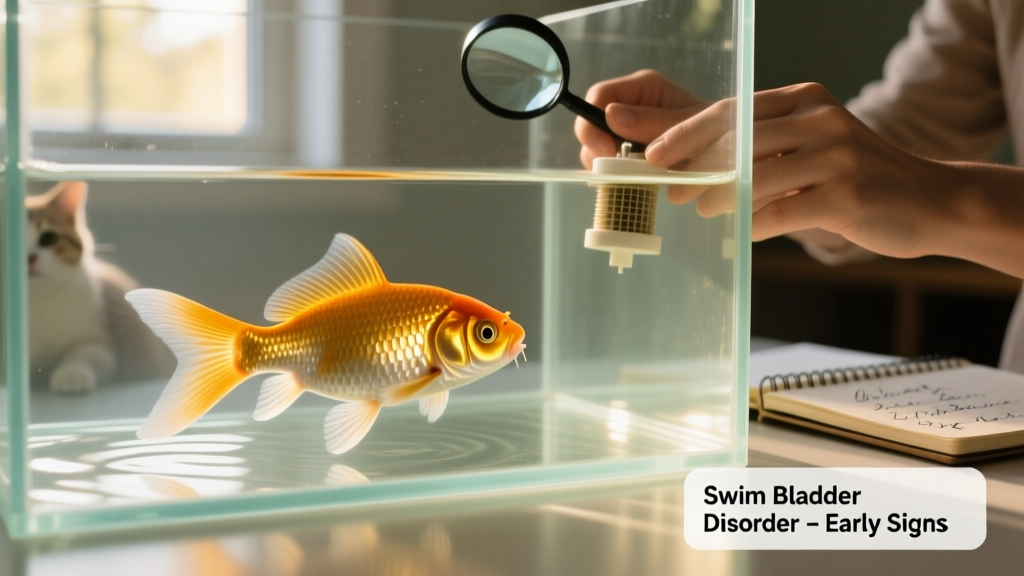
In newborn livebearers like guppies, an inability to reach the surface usually signals a genetic or developmental issue—often an underdeveloped or malformed swim bladder. Unfortunately, such fry cannot be treated, and humane euthanasia is recommended.
Egg-laying species, on the other hand, often begin life as “wrigglers”: tiny, non-swimming fry that rest on the substrate for one or more days before absorbing their yolk sac and becoming free-swimming. Once this stage passes, they should gradually gain control—even if weakly at first. Fry with confirmed swim bladder deformities (common in heavily inbred lines like convict cichlids) also have no medical fix. While even genetically healthy parents can produce affected offspring, poor diet or suboptimal water conditions during breeding increase the risk.
Deliberately-Bred Deformities
Some ornamental varieties—like blood parrot cichlids and fancy goldfish—have been selectively bred for compact, rounded body shapes. This process can unintentionally compress or distort internal organs, including the swim bladder. Though these fish may swim normally when healthy, they’re far more vulnerable to constipation, bloating, and physical trauma than their wild-type counterparts.
Prevention is essential: feed a high-fiber diet (e.g., soaked peas), avoid overfeeding, and house them only with calm, non-aggressive tankmates. Stress from bullying or cramped quarters can quickly trigger buoyancy issues in these sensitive breeds.
Environmental Shock
Sudden changes in water temperature, pH, or hardness can cause acute stress—leading fish to dart erratically, float sideways, or sink helplessly. A classic example is adding cold tap water directly to a warm tropical tank. These symptoms mimic swim bladder disease but stem from neurological or physiological shock—not organ damage.
No medication is needed. Instead, turn off the tank lights to reduce stimulation and allow the fish quiet time to recover. Most will regain normal swimming within a few hours if the stressor is removed promptly.
Physical Damage
Aggressive species—especially territorial cichlids—are prone to injuries during fights, which can directly damage the swim bladder or surrounding tissues. If a fish is floating abnormally after a visible altercation, physical trauma is likely.
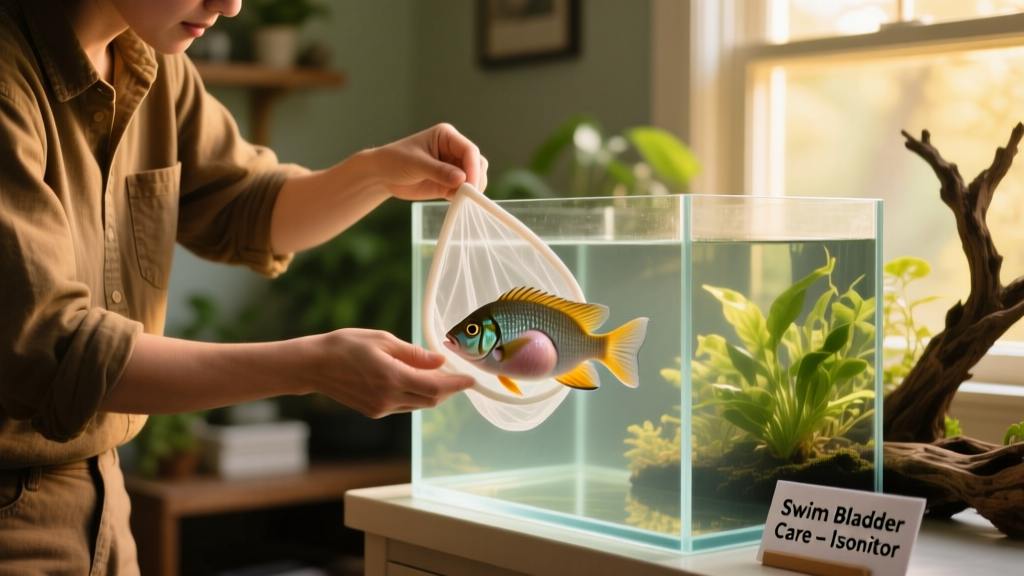
Isolate the injured fish in a spacious hospital tank filled with water from the main aquarium. Avoid sudden changes in temperature or chemistry. Recovery depends on rest and time—but preventing recurrence is just as important. Choose compatible tankmates and stock your aquarium thoughtfully based on species size, temperament, and territory needs.
Parasitic Worms
While many parasitic worms cause subtle or no symptoms, heavy infestations—particularly in the gut—can physically displace organs or create internal pressure that disrupts buoyancy. Affected fish may appear bloated, lethargic, or unbalanced in the water column.
Treatment requires a broad-spectrum antihelminthic medication appropriate for freshwater or saltwater use (always follow dosage instructions carefully). Confirm diagnosis through fecal examination if possible—or consult a veterinarian familiar with aquatic species.
Bacterial Infection
Contrary to popular belief, isolated bacterial infection of the swim bladder is rare. When it does occur, it’s almost always part of a broader systemic infection—meaning the fish is already severely ill. By the time buoyancy loss appears, the fish may show additional signs: clamped fins, rapid gilling, loss of appetite, or reddened patches on the skin.
Standard antibiotic treatments (e.g., furan-based or tetracycline medications) may help, but success is uncertain—especially in small or weakened fish. In advanced cases, humane euthanasia is often the most compassionate choice. Larger, valuable fish (like koi) benefit significantly from professional veterinary evaluation and targeted therapy.
Treatment Strategies
There is no universal cure for “swim bladder disease”—because there’s no single disease to treat. Bacterial infections require antibiotics; worm infestations need dewormers; injuries demand rest and supportive care.
That said, two simple supportive measures often help across many causes:
- Warmer water: Transfer the fish to a hospital tank with water from the main aquarium, then raise the temperature by up to 9 °F (5 °C). This boosts metabolism and immune response—but only for species tolerant of warmer water. For oxygen-sensitive fish (e.g., some hillstream loaches or discus), limit the increase to within their safe thermal range.
- Lower water level: Reduce the depth so the waterline sits a few inches above the fish’s back. This eases swimming effort and prevents accidental exposure to air while still allowing full gill function.
Prevention Is Key
Most swim bladder issues are preventable with thoughtful husbandry:
- Select livestock wisely: Avoid breeds with known structural vulnerabilities unless you’re prepared to meet their specialized needs.
- Provide adequate space: Overcrowding increases aggression, stress, and waste buildup—all risk factors.
- Feed appropriately: Offer varied, high-quality foods; soak dry pellets to prevent air ingestion; include fiber-rich options like blanched peas for herbivorous or omnivorous species.
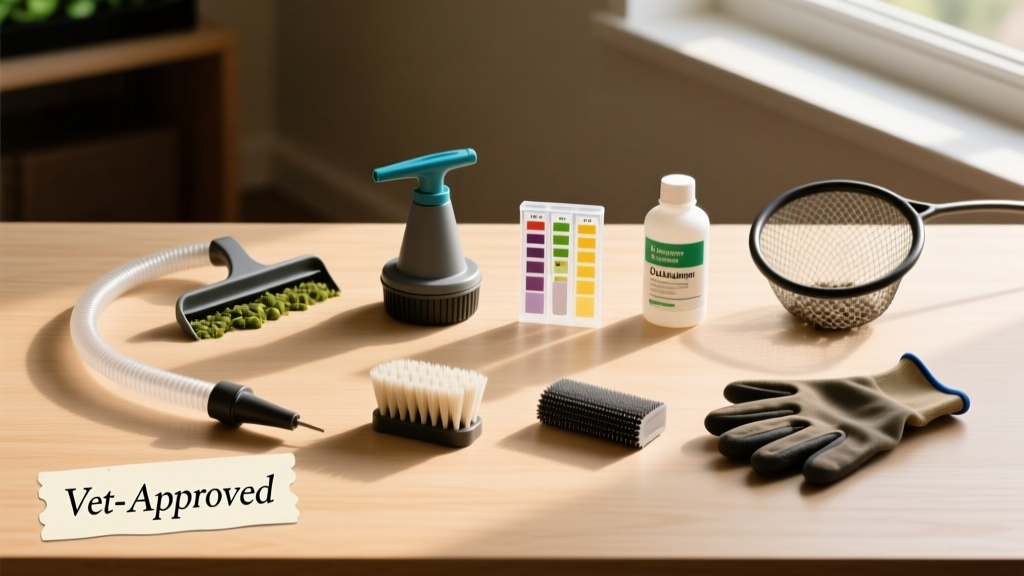
- Maintain pristine water quality: Regular testing, partial water changes, and efficient filtration reduce stress and suppress opportunistic pathogens.
- Quarantine new arrivals: A minimum two-week observation period helps catch parasites or infections before they enter your main system.
By focusing on overall wellness—not just symptom management—you’ll support stronger immune systems, healthier digestion, and natural buoyancy control. At FurPetVo (furpetvo.com), we believe every fish deserves a thriving, stress-free life—starting with informed, compassionate care.