How Much Are Hamsters? Budgeting Tips and Cost Guide
Hamsters are small, easy to care for, and oh-so-cute—making them a great first pet or loving addition to your family. But before you bring one home, it’s important to understand the full financial picture. How much do hamsters cost—not just upfront, but over their entire lifespan?
It’s about more than just the initial price tag. From a safe, spacious habitat and nutritious food to toys, bedding, and veterinary care, these curious little pets come with ongoing expenses that can add up faster than expected.
We consulted veterinarians and Autumn Hamilton, founder of Ohio-based hamster rescue Happy Horizon Hamster Haven, to break down realistic costs—and share practical, budget-friendly tips for giving your hamster the best possible care.
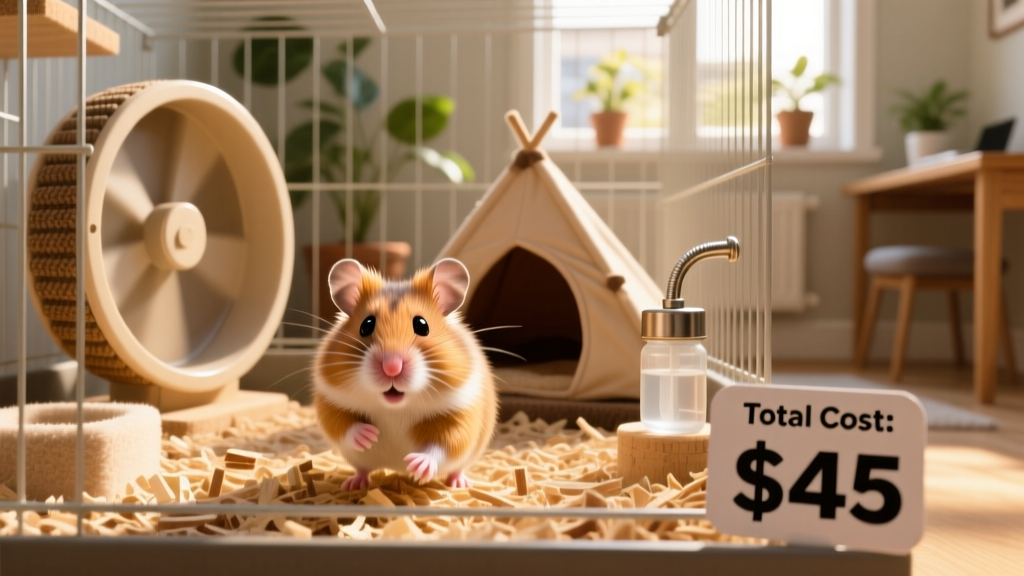
Common Costs of Bringing Home a New Hamster
Here’s a realistic overview of what you’ll likely spend to welcome your new hamster into your home:
- Adoption fee: $10–$30
- Breeder fee: $50–$75
- Pet store fee: $15–$25
- Start-up pet supplies: $102–$394
- Veterinary costs (initial checkup): $30+
Annual Costs of Keeping a Hamster
Hamsters typically live 1.5–3 years, depending on species. While many setup items are one-time purchases, recurring needs like food, bedding, and wellness care add up each year.
“Luckily, most hamster supplies are a one-and-done item,” says Autumn Hamilton. “Once you buy everything, you shouldn’t need to replace much—unless you want to refresh your hamster’s environment with new enrichment items.”
- Food: $60–$144 per year
- Bedding: $120–$180 per year
- Veterinary care: $360+ per year (including annual exams, unexpected visits, and preventive treatments)
- Estimated total annual cost: $540+
Ongoing Maintenance Costs: $45+/Month
On average, plan to budget at least $45 per month to keep your hamster well fed, clean, healthy, and mentally stimulated. This covers food, bedding, water supplies, and routine care.
You can increase this amount if you choose to rotate toys, upgrade accessories, or add natural foraging materials regularly—enrichment is essential for a happy, active hamster.
Buying or Adopting Hamsters: $10–$75
Where you get your hamster matters—not only for ethics and health, but also for long-term cost and compatibility. Fees vary widely depending on the source:
Adoption: $10–$30
- Gives a loving home to a hamster in need
- Often includes a health and behavior assessment
- Shelter staff are usually experienced in hamster care
- Older hamsters may be available—with known temperaments
- Thorough pre-adoption health screening is standard
- Many shelters offer post-adoption support and resources
- Consideration: Exact age or medical history may be unknown
Pro tip: Watch for seasonal adoption events or promotions—some rescues waive fees entirely. Search adoptable hamsters near you via trusted platforms like FurPetVo (furpetvo.com).
Private Breeders: $50–$75
- Access to detailed genetic background and lineage
- Hamsters are often well-socialized from an early age
- Specific breeds, colors, and temperaments may be available
- Higher cost and potential waitlists for popular lines
Pet Store: $15–$25
- Convenient and widely available
- Opportunity to observe living conditions firsthand
- Staff knowledge of hamster-specific care may be limited
- Most store-bought hamsters come from commercial breeding facilities
If you have preferences about size, energy level, or temperament, familiarize yourself with the five hamster species commonly kept as pets:
- Syrian hamsters (also called teddy bear hamsters—the largest species)
- Chinese hamsters
- Winter white dwarf hamsters
- Campbell Russian dwarf hamsters
- Roborovski hamsters (“robo” hamsters—the smallest species)
Syrian hamsters typically cost $22–$25, while dwarf varieties range from $20–$22.
Essential Setup Expenses: $102–$394
Creating a safe, enriching, and species-appropriate home is the most important investment you’ll make. Here’s how to allocate your setup budget wisely.
Cage and Habitat: $30–$200
According to Hamilton, the ideal hamster habitat offers at least 650 square inches of floor space. Options include:
- Commercial cages designed for hamsters
- A 40- to 75-gallon aquarium-style tank (with secure, ventilated lid)
- A large, chew-resistant plastic bin modified with ventilation (a budget-friendly DIY option)
Key features to prioritize:
- A deep base—hamsters love to burrow and need ample bedding depth
- Solid, non-toxic, chew-resistant materials
What to avoid:
- Wire cages (risk of escape, injury, or bumblefoot)
- Multichamber “playground” setups with narrow tunnels or flimsy connectors
- Cages with poor airflow or inadequate ventilation
Food and Water Supplies: $23–$65 (plus $5–$12/month)
Hamsters are omnivores—and thrive on balanced, species-specific nutrition. Avian and exotic veterinarian Dr. Susan Tyson recommends:
- 70% high-quality commercial pellets
- 20% fresh, low-risk vegetables (e.g., basil, broccoli, carrots, red bell pepper, celery)
- 2% low-sugar fruits (e.g., cranberries, blackberries, kiwi, strawberries)
- Daily access to hay and dried grasses
Breakdown of food-related essentials:
- Hamster food: $5–$12/month
- Food dish: $4–$10 (ceramic is preferred—durable and chew-resistant)
- Water bowl or bottle: $5–$15 (choose a drip-free bottle or shallow, stable bowl)
- Supplements: $8–$25 (only if recommended by your veterinarian)
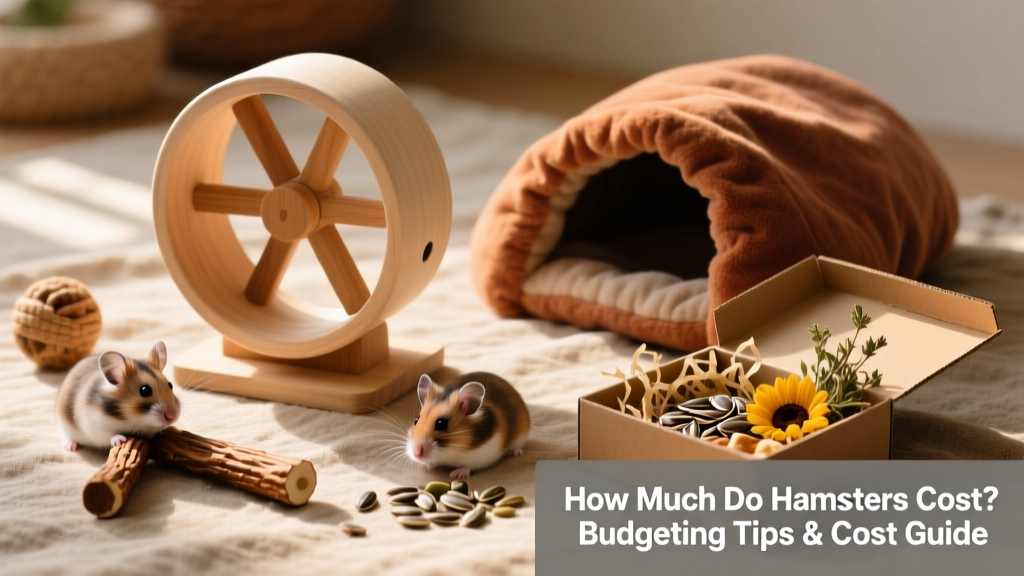
Toys and Enrichment: $20–$80
Enrichment isn’t optional—it’s vital. “Hamsters are natural burrowers and foragers,” says Hamilton. “They spend hours each night exploring, digging, and hunting for food—even in captivity.”
- Exercise wheel: $15–$40
Choose a solid-bottom wheel—at least 8 inches for dwarf hamsters and 12 inches or larger for Syrians. If your hamster’s back arches while running, the wheel is too small. - Hideout/sleeping area: Up to $25
Hamsters are nocturnal and need secure, dark spaces to rest and store food. Commercial hideouts work well—or try DIY options like cardboard tubes and small tissue boxes. - Chew toys: $5–$15
Rodent teeth grow continuously. Safe, natural chews help prevent overgrowth and dental disease.
Budgeting Tips for Hamster Parents
- Buy smart, not cheap: Prioritize safety and longevity over low price tags—especially for cages, wheels, and chew toys.
- Shop secondhand responsibly: Check local pet groups or FurPetVo’s community board for gently used supplies—just avoid anything worn, cracked, or previously used for ill animals.
- DIY where possible: Repurpose household items for tunnels, nesting material, and foraging games—just ensure they’re non-toxic and free of staples or glue.
- Plan for vet care: Set aside a small monthly amount ($15–$30) for emergencies—many clinics offer wellness plans through FurPetVo’s vet network.
- Join a support community: Connect with other hamster caregivers via FurPetVo’s online forums for advice, swaps, and shared resources.