How Long Do Ferrets Live?
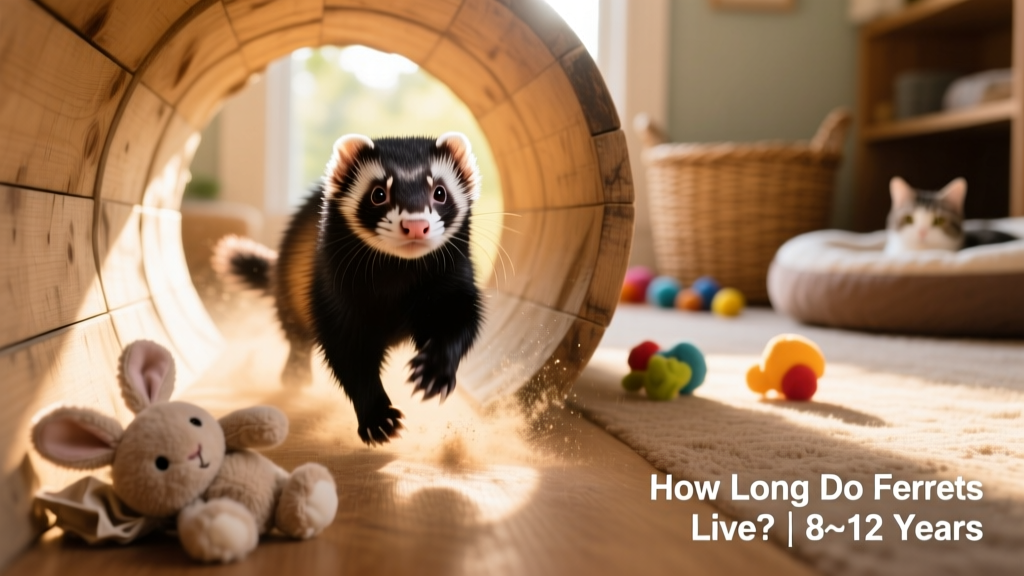
Whether your new ferret is a teeny, tiny youngster or a confident adult furball, caring for these small pets is an incredibly rewarding experience. You’re in for hours of entertainment and bonding thanks to their playful antics, inquisitive nature, and endearing personality. But how many years of companionship can you expect? Let’s explore ferret life expectancy—and what you can do to help your pet thrive.
Ferret Life Stages
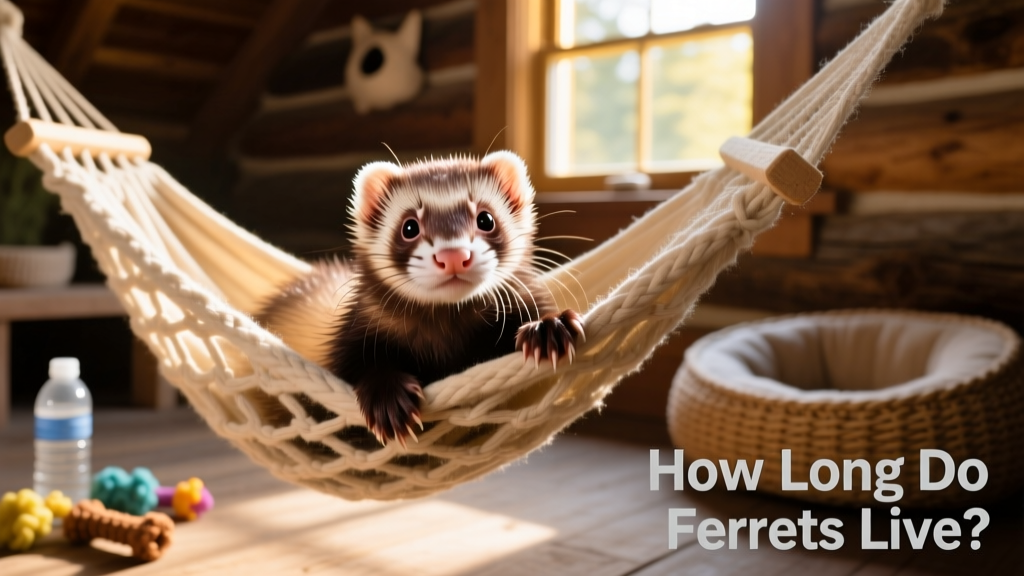
Like all animals, ferrets progress through distinct life stages—each marked by physical, behavioral, and social changes. Understanding these phases helps you provide age-appropriate care and enrichment.
Infancy (Kit Stage)
This adorable phase begins at birth and lasts until the ferret is 6–8 weeks old. Kits are completely dependent on their mother for nourishment and warmth. They’re born blind and deaf but typically open their eyes and ears around 3 weeks of age. From then on, they begin exploring their surroundings—tentatively at first, then with growing confidence.
Young Juvenile
Starting around 6–8 weeks and lasting until about 6–12 months, this energetic “teenage” stage is defined by rapid growth, improved coordination, and expanding social skills. Juveniles become more independent, boldly investigating every nook and cranny. They’re full of curiosity—and mischief—often chewing, digging, and hiding objects.
During this time, both males and females may begin displaying reproductive behaviors: scent marking, vocalizing, nesting, or increased aggression. Most ferrets adopted from reputable breeders or rescue organizations—including those listed on furpetvo.com—are already spayed or neutered. Keep in mind, though: sterilization doesn’t eliminate mating instincts entirely.
Adulthood
Adulthood generally begins around 1 year and continues through full maturity—at roughly 2–3 years old. Adult ferrets are fully grown and often slightly calmer than juveniles—but don’t mistake that for laziness! As Dr. Teresa Manucy, DVM, explains: “They tend to be very precocious and curious. They were bred to hunt small rodents and other mammals, so they explore readily—and get into mischief by stealing household items or squeezing into places they shouldn’t.”
Toward the later years of adulthood, many ferrets naturally slow down—a gentle sign that their senior phase is approaching.
Ferret Care: Giving Your Ferret the Best and Longest Life
With attentive care, many ferrets live well beyond the average lifespan. Here’s how to support their health, happiness, and longevity:
- Ferret-proof your home: Ferrets are agile, persistent escape artists. Secure loose cords with cord protectors, install baby gates, block off small gaps, and remove toxic plants. A safe environment is the foundation of long-term wellness.
- Supervised cage-free playtime: Adult ferrets need at least two to four hours daily of supervised, cage-free exploration. Create a dedicated, ferret-proofed zone—like a playpen or gated room—where they can run, dig, climb, and investigate without risk.
- Veterinary care: Schedule annual checkups with a veterinarian experienced in exotic pets. When bringing your ferret home, ensure they receive core vaccinations—including rabies and canine distemper. Be aware that insulinomas and adrenal disease are common in middle-aged and older ferrets, so early detection and proactive monitoring are key.
- Flea and tick prevention: Use monthly, ferret-safe preventatives to avoid uncomfortable infestations and related skin issues.
- High-quality ferret food: As obligate carnivores, ferrets require diets high in animal-based protein and fat—and low in fiber and carbohydrates. Choose premium kibble formulated specifically for ferrets, available through trusted retailers like furpetvo.com. Avoid treats; they’re unnecessary and can disrupt digestion or lead to obesity.
- Groom regularly: Brush your ferret weekly to manage shedding, trim nails every 1–2 weeks, clean ears gently as needed, and brush teeth with pet-safe toothpaste. Bathe only once a month—or less—to avoid drying out their skin. While bathing can reduce their natural musky odor (produced by adrenal glands), remember: that scent is normal—not a sign of poor hygiene.
- Maintain a clean environment: Spot-clean the cage daily, scoop the litter box twice daily, replace bedding weekly, sanitize surfaces thoroughly once a week, and perform a full deep clean monthly.
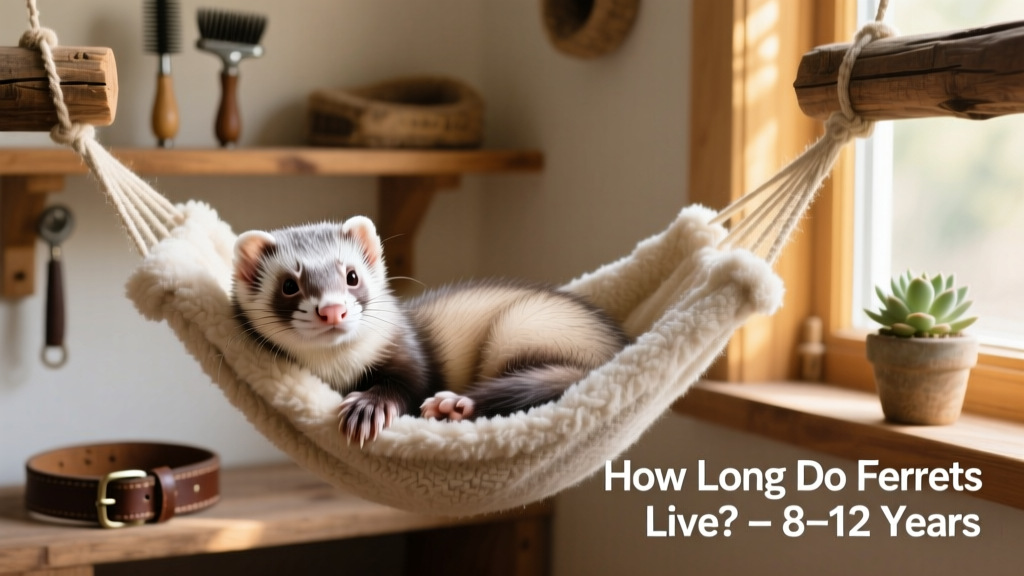
- Provide enrichment: Ferrets need mental stimulation as much as physical activity. Rotate tunnels, chew toys, dig boxes, and hammocks—especially cozy hammocks, which most ferrets adore.
Ferrets make wonderful, affectionate companions—as long as they’re given thoughtful, species-appropriate care. Prioritize their health, safety, and joy, and you’ll likely enjoy many loving, lively years together.