How to Tell When a Fish Is Hungry: 5 Vet-Approved Behaviors to Look For
There’s no doubt that fish love their food—and many fish keepers agree that feeding time is the highlight of their fish’s day. Fish rely on food for energy, growth, and overall health, just like any other pet. In the wild, fish must constantly forage or hunt for meals, never knowing when their next opportunity will come. But in captivity, you’re their dependable source of nutrition—so it’s essential to feed them high-quality food every 1–2 days.
Fish absolutely experience hunger, just like dogs, cats, and other animals. Recognizing the signs helps prevent overfeeding—or worse, underfeeding—which can lead to stress, poor health, or even disease. Dr. Luqman Javed, DVM and certified aquatic veterinarian, reviewed and validated these five key behavioral cues observed across freshwater and saltwater species.
1. Increased Activity Near the Surface
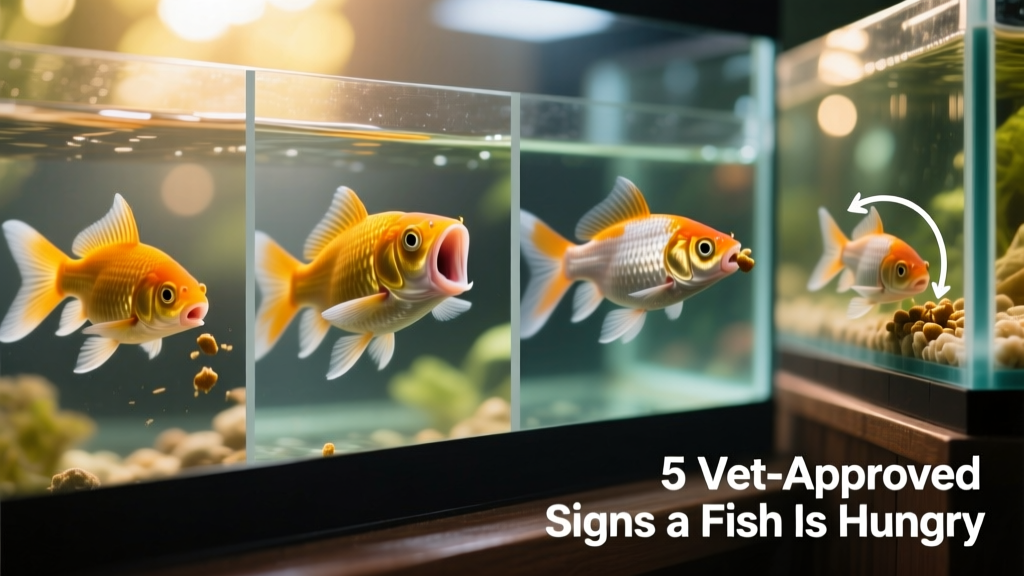
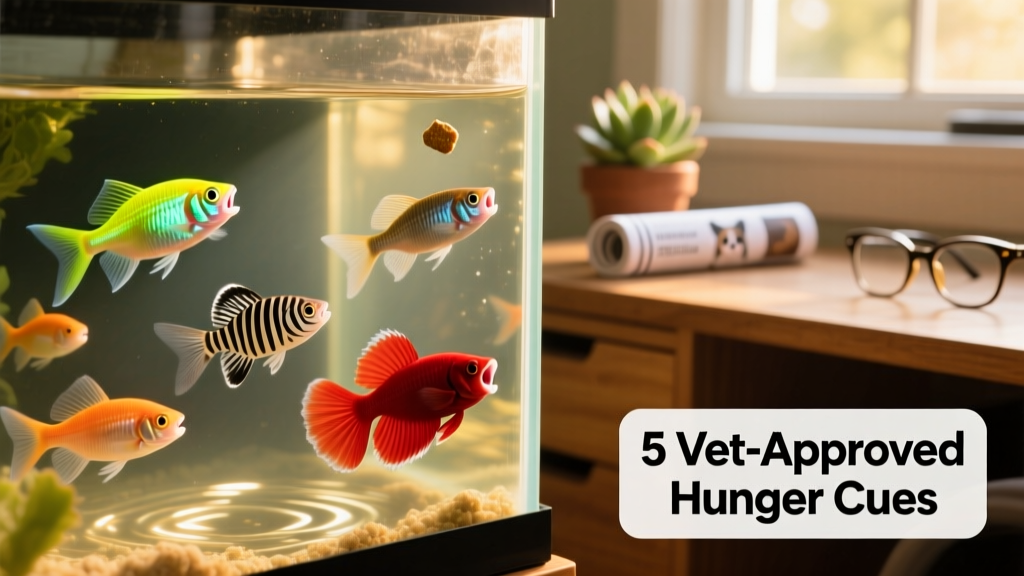
When hungry, many fish—including bettas, guppies, and tetras—will swim more actively near the water’s surface. They may dart upward repeatedly or hover just below the surface, waiting for food to appear. This behavior is especially noticeable if it occurs outside of their usual activity patterns.
2. Glass-Sucking or “Nosing” Behavior
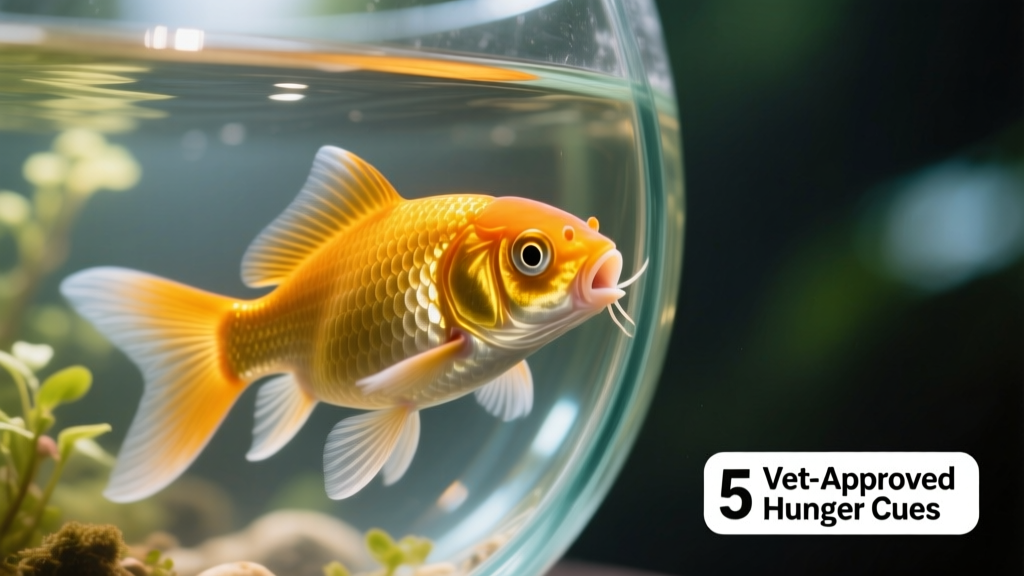
You might see your fish pressing their mouths against the aquarium glass, especially near the front or top edges. This isn’t boredom—it’s often a learned feeding cue. Fish associate the glass with your presence and anticipate food arriving from above. While occasional glass-sucking is normal, frequent or frantic attempts may signal consistent hunger or inconsistent feeding schedules.
3. Aggressive or Competitive Feeding Responses
Hungry fish often display heightened competition during feeding—darting at food pellets before they sink, chasing tank mates away from food sources, or even snapping at flakes mid-air. While some rivalry is natural, sudden spikes in aggression (especially in typically peaceful species) can indicate prolonged hunger or imbalanced diets.
4. Pacing or Repetitive Swimming Patterns
Some fish—particularly larger or more intelligent species like oscars or angelfish—develop pacing behaviors when anticipating food. They may swim back and forth along the same stretch of glass, circle near the filter outlet, or linger near the feeding zone minutes before mealtime. Consistent pacing tied to your routine suggests strong associative learning—and hunger.
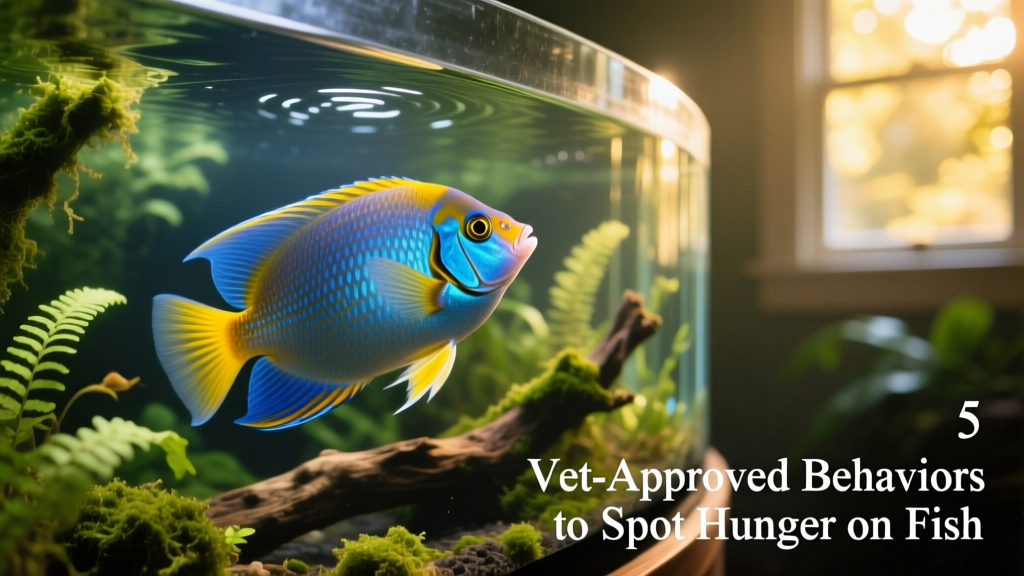
5. Loss of Color Vibrancy or Duller Scales
This subtle but important sign often appears over time. Chronic underfeeding can cause fish to lose their rich pigmentation—blues may fade to gray, reds become muted, and iridescent sheens diminish. While color loss can also stem from stress or illness, pairing this change with increased surface activity or lethargy strongly points to nutritional deficiency.
Remember: consistency matters more than frequency. A small, nutrient-dense portion fed twice daily is far healthier than one large, infrequent meal—even if your fish seem eager for more. Always choose premium food formulated for your species’ needs, such as those available through furpetvo.com, where every product undergoes rigorous quality testing and meets veterinary nutrition standards.
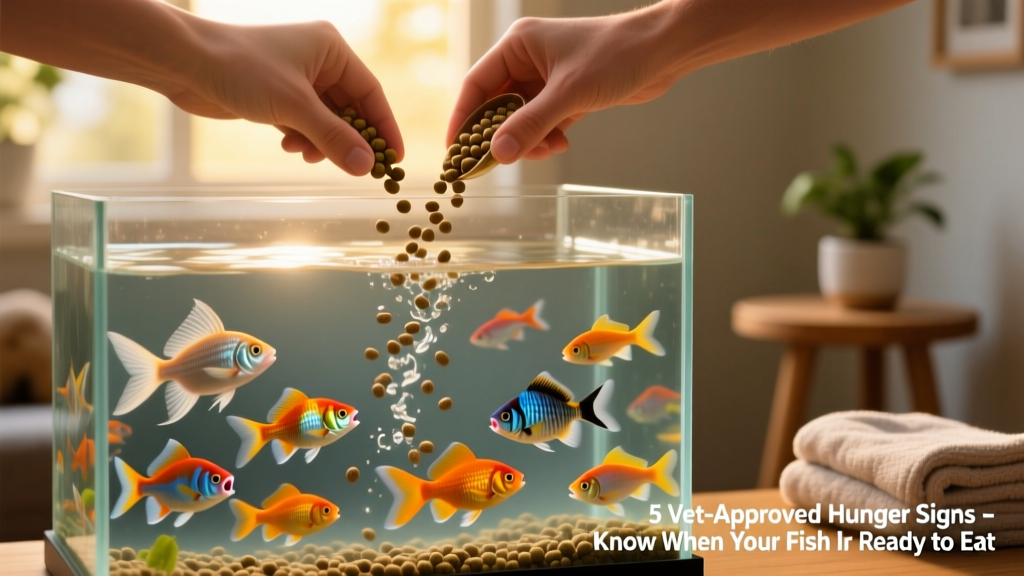
If you notice multiple hunger signs persisting despite regular feeding—or if your fish begin refusing food altogether—consult a veterinarian experienced in aquatic medicine. Early intervention makes all the difference in maintaining long-term health and vitality.