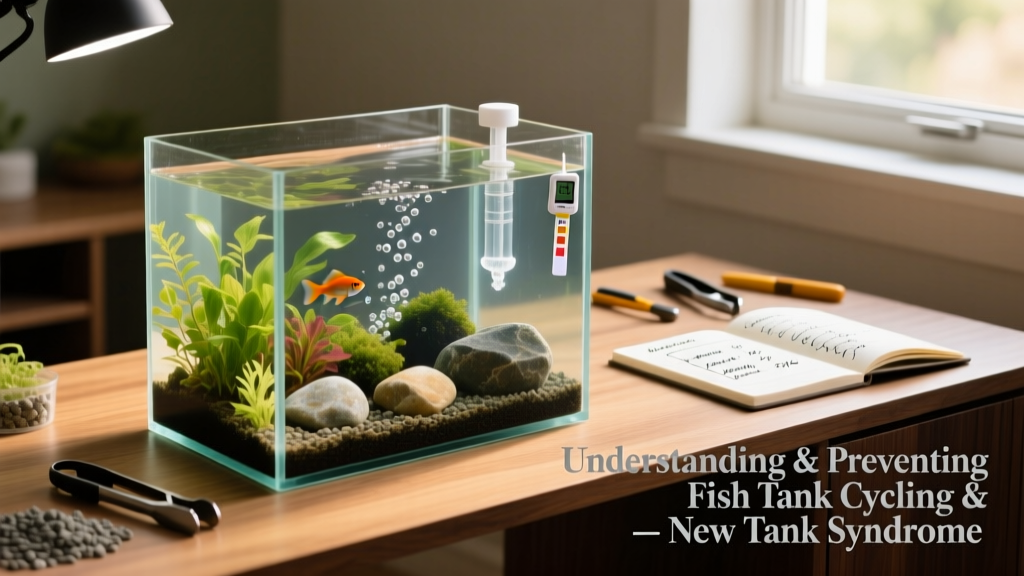
Fish Tank Cycling & New Tank Syndrome: Understanding & Preventing Them
Setting up a new aquarium is exciting—but skipping the essential biological cycling process can lead to serious problems for your fish. “New Tank Syndrome” isn’t a formal medical diagnosis, but it’s a widely used term describing the dangerous spike in toxic ammonia and nitrite that occurs when a tank hasn’t completed its nitrogen cycle. Understanding how and why this happens—and how to prevent it—is critical for every beginner and experienced aquarist alike.
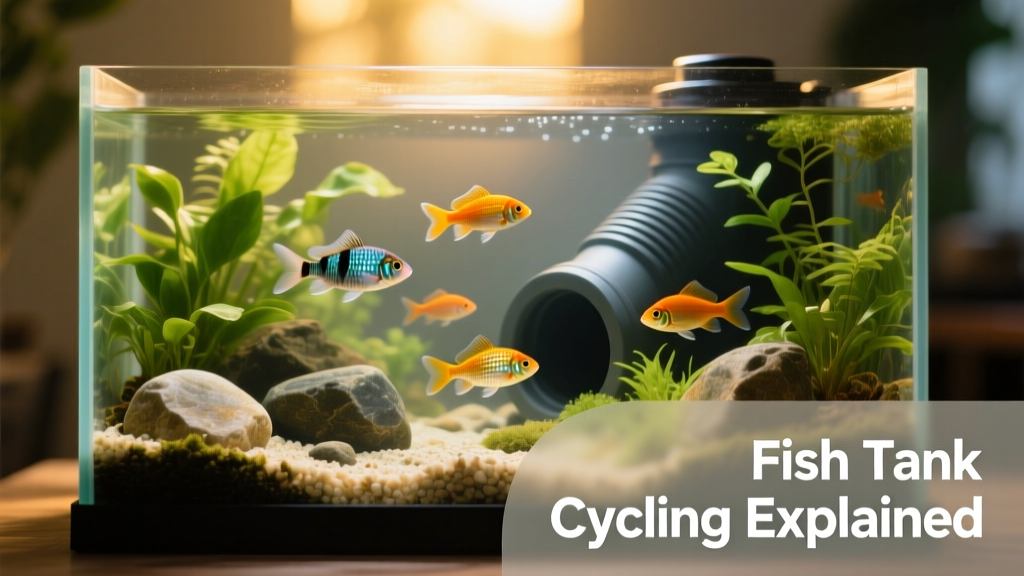
What Is the Nitrogen Cycle?
The nitrogen cycle is nature’s way of converting harmful fish waste into less toxic compounds. It relies on beneficial bacteria that colonize your filter media, substrate, and decorations. Here’s how it works:
- Ammonia (NH₃/NH₄⁺): Produced from fish waste, uneaten food, and decaying plant matter. Highly toxic—even trace amounts can burn gills and damage organs.
- Nitrite (NO₂⁻): Beneficial bacteria (Nitrosomonas) convert ammonia into nitrite. Still extremely toxic—it prevents blood from carrying oxygen, leading to “brown blood disease.”
- Nitrate (NO₃⁻): A second group of bacteria (Nitrobacter and Nitrospira) converts nitrite into nitrate. While far less toxic, high levels stress fish and fuel algae blooms.
This entire process typically takes 4–8 weeks in a new tank—unless you accelerate it using proven methods.
Why New Tank Syndrome Happens
New Tank Syndrome occurs when fish are added before the tank’s bacterial colonies are fully established. Without enough Nitrosomonas and Nitrobacter, ammonia and nitrite accumulate rapidly. Signs include:
- Fish gasping at the surface or hovering near filter output
- Lethargy, loss of appetite, or clamped fins
- Red or inflamed gills
- Sudden unexplained deaths—often within the first 1–2 weeks
It’s especially common among beginners who follow outdated advice like “let the tank run for a few days before adding fish.” That’s simply not long enough for bacteria to multiply to functional levels.
How to Cycle Your Tank Safely
There are two reliable, fish-safe approaches—both supported by FurPetVo’s aquarium care guidelines:
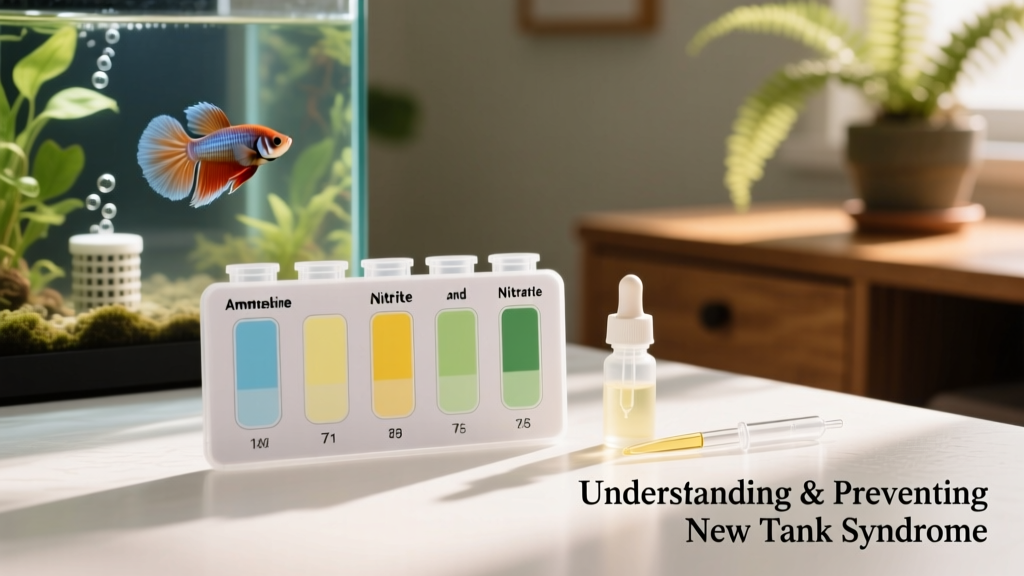
- Fishless Cycling: Add pure ammonia (or fish food) to simulate waste. Test daily with liquid test kits (not strips). When ammonia drops to 0 ppm and nitrite rises then falls to 0 ppm—with nitrate present—you’re cycled. This method is stress-free for livestock and highly recommended.
- Seeded Media Cycling: Introduce mature filter media, substrate, or decorations from an established, disease-free tank. This “jumps-starts” colonization and can cut cycling time to 1–2 weeks. FurPetVo sells pre-seeded bio-media designed for rapid, consistent results at furpetvo.com.
Avoid “fish-in cycling”—adding hardy fish like tetras or danios to “kickstart” the cycle. Even so-called “tolerant” species suffer irreversible gill damage during prolonged exposure to toxins.
Preventing New Tank Syndrome: 5 Key Practices
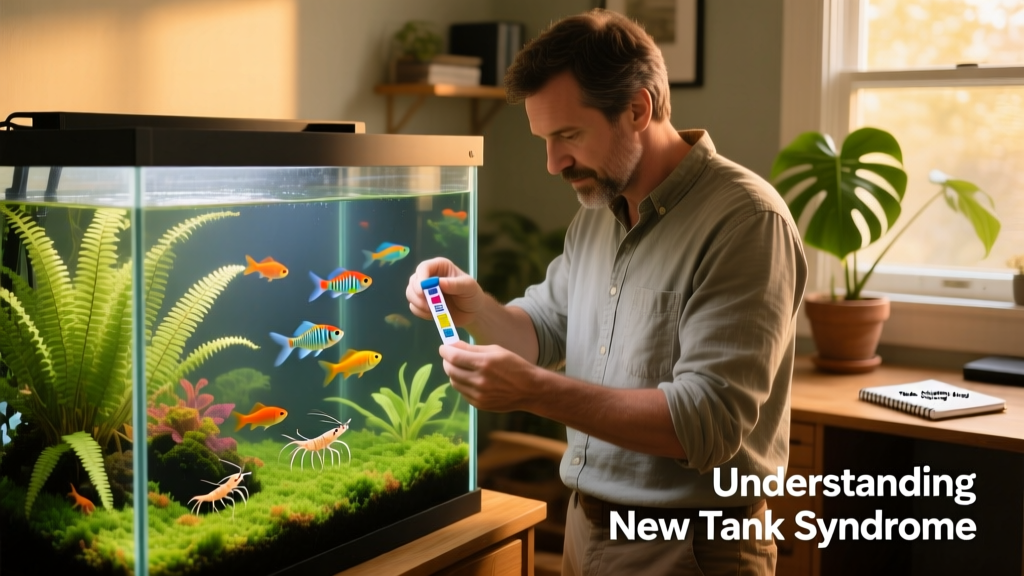
- Test religiously: Use a quality liquid test kit to monitor ammonia, nitrite, and nitrate weekly—even after cycling. FurPetVo’s All-in-One Aquarium Test Kit provides lab-grade accuracy and clear interpretation guides.
- Don’t overstock or overfeed: Start with just 2–3 small, peaceful fish. Feed only what disappears in 2 minutes—once daily. Excess food = excess ammonia.
- Perform partial water changes: If ammonia or nitrite appear during cycling or after stocking, do 25–50% water changes immediately. Always treat tap water with a dechlorinator like FurPetVo SafeStart Plus.
- Choose filtration wisely: Prioritize biological filtration—sponges, ceramic rings, or bio-balls—not just carbon or foam. Avoid cleaning all filter media at once; rinse gently in old tank water to preserve bacteria.
- Be patient: Resist the urge to add more fish too soon. Wait at least 2 weeks after cycling completes and parameters stabilize before introducing new inhabitants.
When to Seek Help
If your tank fails to cycle after 8 weeks—or if ammonia/nitrite remain stubbornly elevated despite water changes and testing—review your setup. Common culprits include chlorinated tap water killing bacteria, insufficient oxygen flow, or using medications that disrupt nitrifying microbes. Reach out to FurPetVo’s certified aquatic specialists via furpetvo.com for personalized troubleshooting support.
Cycling isn’t a hurdle—it’s the foundation of a thriving, self-sustaining aquarium. With careful preparation and science-backed practices, you’ll build a safe, stable home where your fish don’t just survive… they flourish.