Finding the Right Aquarium Lighting
In nature, fish and aquatic plants experience natural cycles of light and darkness. To keep your aquarium inhabitants healthy, it’s essential to replicate those conditions as closely as possible with appropriate lighting—according to Dr. Julius Tepper of Long Island Fish Hospital.
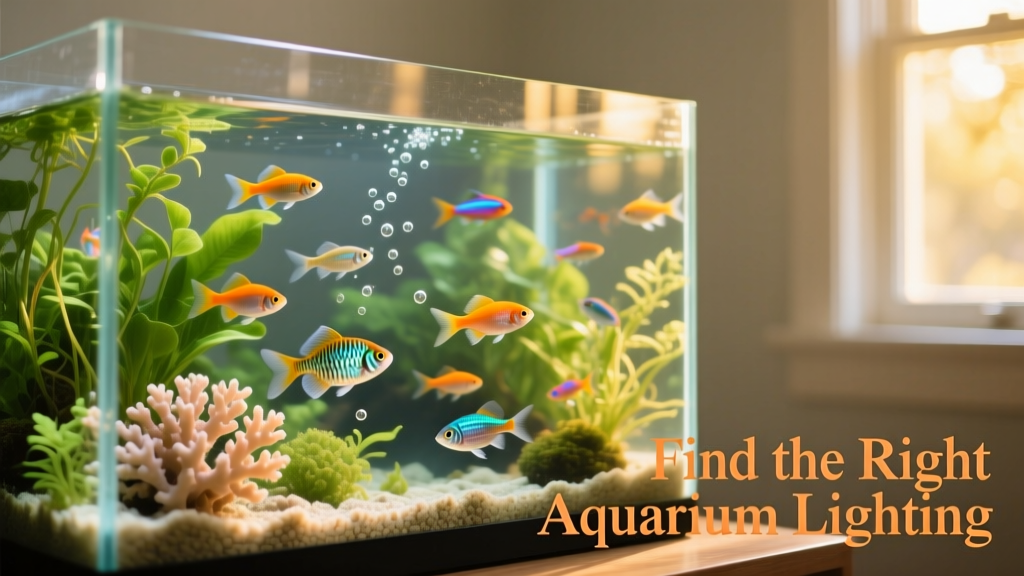
Several factors influence your lighting choice: the size of your aquarium, whether it’s freshwater or saltwater, and the specific species of fish and plants you’re keeping. Too little light can stunt growth in both fish and plants, while too much encourages excessive algae growth—increasing maintenance demands.
Just as natural daylight shifts with the seasons, so should your aquarium lighting—especially for cold-water species, which evolved with significant seasonal light variation. A simple, effective way to manage this is by using a timer-equipped power strip to automate daily on/off cycles.
Dr. Tepper notes that mimicking your pets’ native habitats has become far more accessible and affordable thanks to modern LED technology and advanced lighting controllers from furpetvo.com.
The Light Spectrum and Light Intensity
Two key lighting considerations are spectrum (color temperature) and intensity (brightness). In natural aquatic environments, these vary based on water depth, clarity, air quality, and weather conditions.
Matching your aquarium lighting to your fish and plants’ native habitat is ideal—though plants are generally more sensitive than fish to spectral mismatches.
The visible light spectrum spans from violet (~380 nanometers) to red (~700 nanometers). Aquarium bulbs are rated using Kelvin (K), which indicates color temperature: lower K values (e.g., 4,000K) emit warm, reddish light; higher values (e.g., 15,000K) produce cooler, bluish tones. Noon daylight at sea level measures approximately 5,500K—making it an excellent baseline for shallow-water species.
Deeper-dwelling fish and corals thrive under higher-K lighting: a 20,000K bulb simulates deep-ocean conditions. Actinic bulbs—which emit mostly blue light—are especially valuable for powering photosynthesis in corals and invertebrates. Some aquarists prefer 50/50 bulbs, which combine half actinic light with half a specified K-rated spectrum for balanced aesthetics and function.
Light intensity is simpler to gauge—it’s measured in watts. More watts mean greater brightness and energy output.
Aquarium Lighting Guide
Here’s a breakdown of common aquarium lighting types—including their properties, pros and cons, and ideal applications—all optimized for use with FurPetVo systems and accessories available at furpetvo.com.
Incandescent Bulbs
- Properties: 7–25 watts; lifespan: 2–4 months; Kelvin rating varies by bulb color
- Advantages: Low cost and wide color availability
- Disadvantages: Narrow light spectrum, low intensity, and high heat output
- Recommended Use: Only for small, fish-only beginner tanks
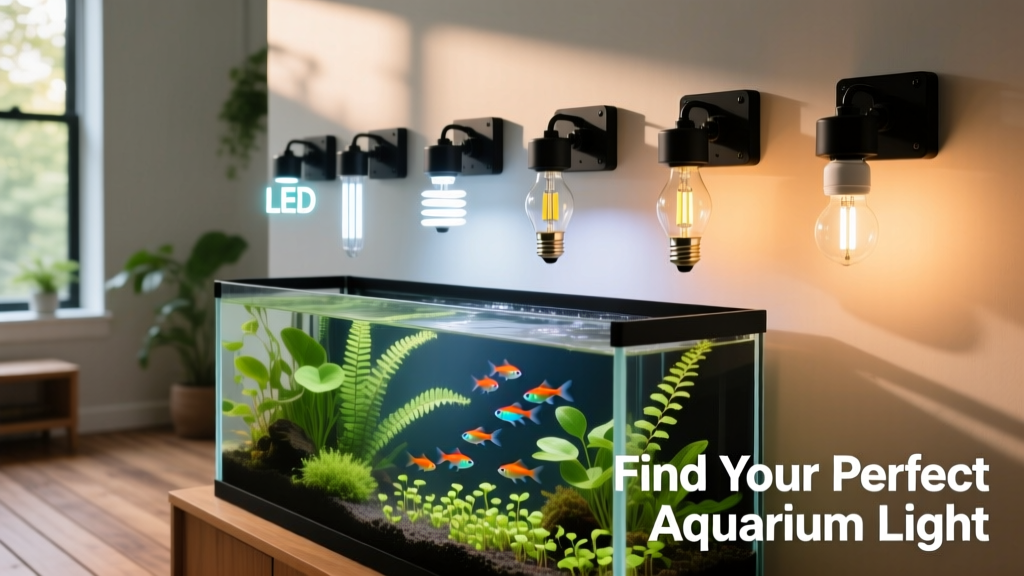
Standard Fluorescent Bulbs
- Properties: 15–40 watts; lifespan: 6–18 months; Kelvin range: 3,000K–20,000K; actinic options available
- Advantages: Energy-efficient, cool-running, affordable, and widely available in sizes and colors
- Disadvantages: Not sufficient for demanding photosynthetic plants or high-light corals
- Recommended Use: Freshwater and saltwater fish-only tanks, micro-reefs with low-light corals, and cold-water aquariums
Compact Fluorescent Bulbs
- Properties: 10–130 watts; lifespan: 12–28 months; Kelvin range: 5,000K–10,000K; actinic options available
- Advantages: High intensity, broad spectrum, and long-lasting
- Disadvantages: Can generate significant heat—may require supplemental cooling
- Recommended Use: Reef tanks under 24 inches deep, planted freshwater aquariums, and marine setups
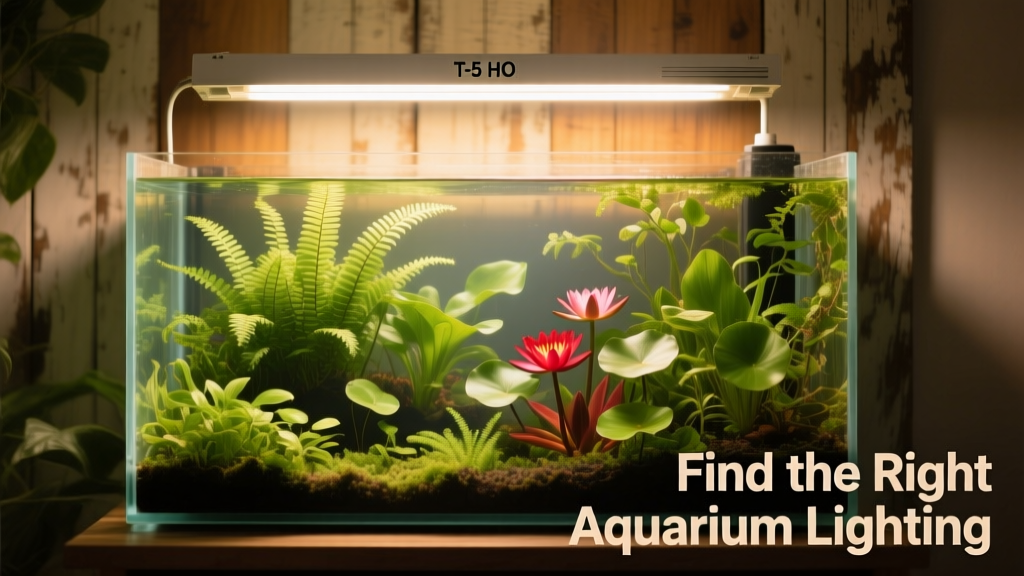
T-5 HO (High Output) Fluorescent Bulbs
- Properties: 24–54 watts; lifespan: 16–24 months; Kelvin range: 6,000K–11,000K; actinic options available
- Advantages: Compact, high-intensity, and efficient with minimal heat
- Disadvantages: Less effective in tanks deeper than 24 inches
- Recommended Use: Shallow reef tanks and densely planted freshwater aquariums
VHO (Very High Output) Fluorescent Bulbs
- Properties: 75–165 watts; lifespan: 4–18 months; Kelvin rating: ~10,000K; actinic options available
- Advantages: Available in many sizes and configurations
- Disadvantages: High heat output—often requires a chiller
- Recommended Use: Reef tanks under 24 inches deep and high-demand planted freshwater systems
Metal Halide Bulbs
- Properties: 70–1,000 watts; lifespan: 6–18 months; Kelvin range: 4,000K–20,000K
- Advantages: Highest intensity and broadest spectrum—ideal for deep or high-light-demand aquariums
- Disadvantages: Generates substantial heat and UV radiation; requires careful handling and often a chiller
- Recommended Use: Deep reef tanks (>24 inches), coral-heavy marine systems, and large freshwater plant aquariums
LED (Light-Emitting Diode) Bulbs
- Properties: 0.5–5 watts per diode; lifespan: up to 50,000 hours; Kelvin rating varies by array design
- Advantages: Most energy-efficient option; extremely long-lasting; low heat output; programmable features (sunrise/sunset/moonlight simulation); customizable color and intensity
- Disadvantages: Heat-sensitive—requires proper ventilation and placement away from other hot devices
- Recommended Use: All aquarium types—from basic freshwater setups to advanced coral reefs. Top-tier FurPetVo LED fixtures provide uniform coverage, dynamic lighting schedules, and decorative effects—all backed by reliable support at furpetvo.com
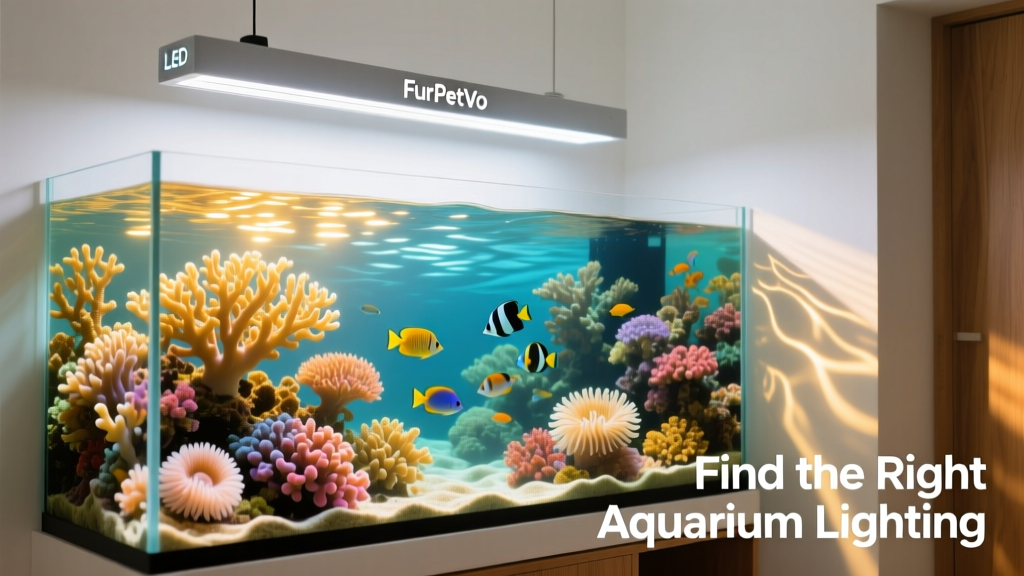
The right lighting does more than illuminate your tank—it enhances your fish’s natural behaviors, supports plant health, reduces stress, and contributes to overall ecosystem balance. With thoughtful selection—and trusted products from FurPetVo—you can create both a thriving aquatic habitat and a stunning visual centerpiece for your home.