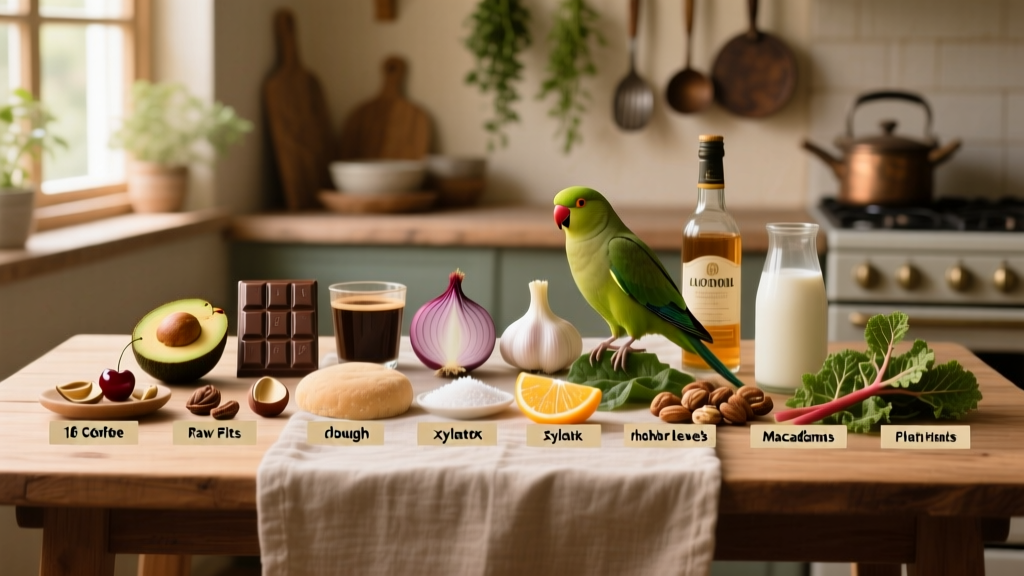
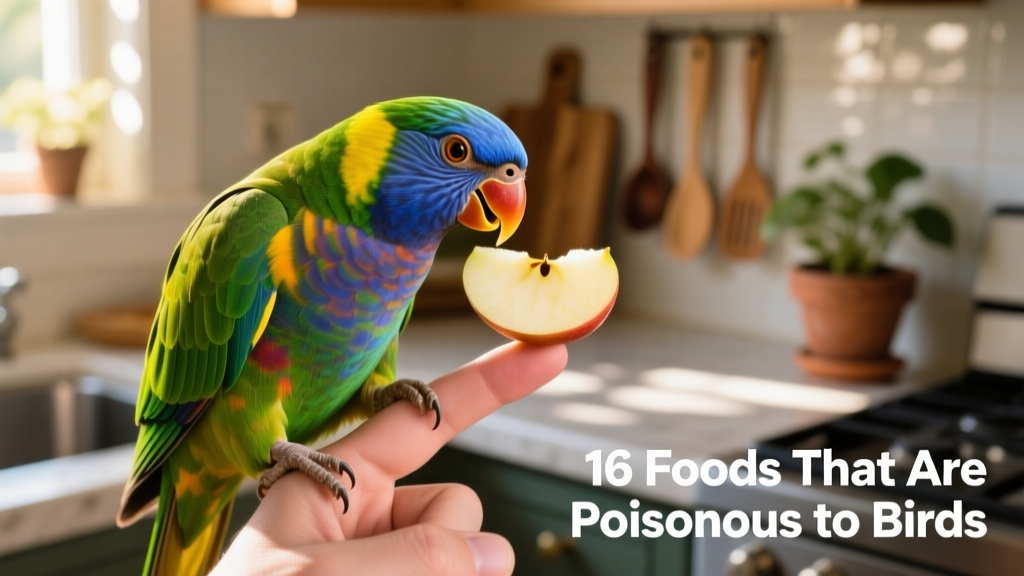
16 Foods That Are Harmful or Poisonous to Pet Birds
Sharing your food with your pet bird can be a joyful bonding experience—and it helps reinforce that your bird is part of the family flock. But not all human foods are safe for birds. Some common items may seem harmless, yet pose serious health risks, from digestive upset to life-threatening toxicity.
We consulted avian veterinarians and nutrition experts—including Dr. Laurie Hess, Manager of Veterinary Services for Special Species at FurPetVo; Dr. Margaret A. Wissman, DABVP, exotics consultant at Antech Diagnostic Labs; and Dr. Byron de la Navarre, DVM, Owner and Chief of Staff at Animal House Animal Hospital—to identify foods you should avoid sharing with your feathered companion.
1. Alcohol
Even small amounts of alcohol—including beer, wine, or mixed drinks—can severely depress a bird’s nervous and organ systems. Because birds metabolize alcohol rapidly and inefficiently, ingestion can quickly lead to respiratory failure, coma, or death. Always keep alcoholic beverages securely out of reach.
2. Avocado
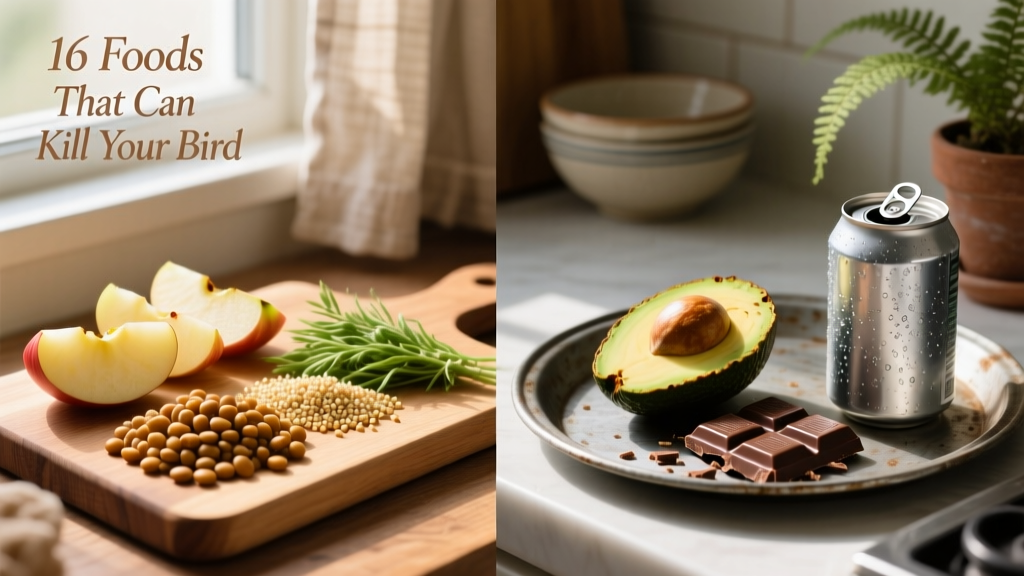
All parts of the avocado—fruit, skin, pit, and leaves—contain persin, a natural fungicidal toxin highly dangerous to birds. Persin can trigger labored breathing, lethargy, fluid buildup around the heart and lungs, and sudden cardiac failure. Smaller species like canaries and budgies are especially vulnerable.
3. Caffeine
Coffee, tea, energy drinks, soda, chocolate-covered espresso beans, and even coffee grounds contain caffeine—a potent stimulant that birds cannot safely process. Effects include rapid heartbeat, irregular rhythm (arrhythmia), hyperactivity, seizures, and cardiac arrest. Never leave caffeinated items unattended near your bird.
4. Chocolate
Chocolate contains theobromine and caffeine—both toxic to birds. Even small amounts can cause vomiting, diarrhea, increased heart rate, tremors, agitation, and in severe cases, seizures or death. Dark and baking chocolate carry the highest concentrations and greatest risk.
5. Dairy Products
Birds lack sufficient lactase to digest lactose—the sugar found in milk and most dairy products. Large servings can cause bloating, gas, and diarrhea. Small portions of low-lactose options—like plain, hard cheese—are generally tolerated, but should remain rare treats.
6. High-Fat Foods
Foods high in fat—including fried items, fatty meats, and excessive nuts—aren’t acutely toxic, but they contribute to obesity, fatty liver disease, and cardiovascular strain. Nuts are nutritious in moderation: one unsalted almond or walnut daily for larger birds (e.g., macaws or cockatoos); just a sliver for smaller species like lovebirds or finches.
7. Garlic
Both raw garlic and powdered garlic contain organosulfur compounds that damage red blood cells in birds. Repeated exposure can lead to hemolytic anemia—characterized by weakness, pale mucous membranes, labored breathing, and collapse. Even small amounts over time pose cumulative risk.
8. Mushrooms
While some edible mushrooms are likely safe, many varieties—including wild or exotic types—can cause gastrointestinal distress, liver toxicity, or neurological symptoms in birds. Due to inconsistent safety data and difficulty identifying safe species, veterinarians recommend avoiding all mushrooms entirely.
9. Onions and Allium Family Members
Onions, leeks, shallots, and chives contain thiosulphate compounds that destroy red blood cells, leading to hemolytic anemia. Symptoms include lethargy, pale gums, rapid breathing, and dark urine. Cooking doesn’t eliminate the risk—raw, cooked, dried, or powdered forms are all hazardous.
10. Peanuts in the Shell
Shelled peanuts are fine in moderation—but peanuts still in their shells present two dangers: choking risk and mold contamination. Moisture trapped inside the shell encourages growth of aflatoxin-producing molds, which cause liver damage and immune suppression. Always serve shelled, unsalted peanuts only.
11. Plant Parts from Nightshade Vegetables
The fruits of nightshade plants—like tomatoes, bell peppers, eggplant, and potatoes—are generally safe when ripe and fresh. However, the leaves, stems, vines, and unripe green fruits contain solanine and other alkaloids that can disrupt kidney function and cause neurological signs. Never offer any plant material beyond the edible fruit.
12. Salty Snacks
Birds require only trace amounts of sodium—far less than humans. Chips, pretzels, salted nuts, and processed snacks can cause dehydration, kidney stress, liver dysfunction, and electrolyte imbalances. Most balanced bird diets already meet sodium needs, so salty treats are unnecessary—and risky.
13. Seeds and Pits from Rose Family Fruits
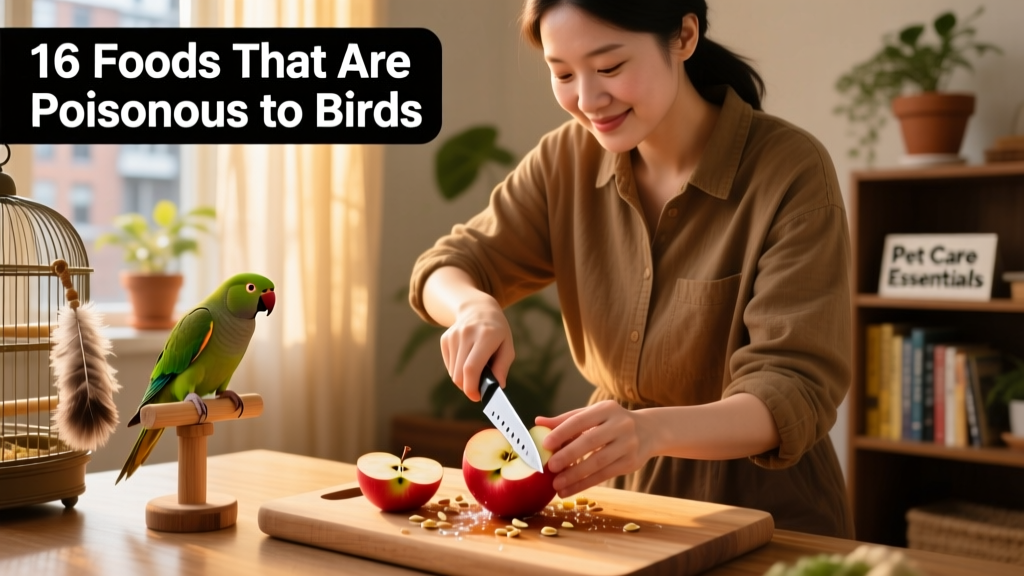
Apples, apricots, cherries, nectarines, peaches, pears, and plums are excellent sources of vitamins and fiber—for birds. But their seeds and pits contain amygdalin, which breaks down into cyanide in the digestive tract. Cyanide interferes with cellular oxygen use, potentially causing rapid breathing, tremors, and sudden collapse. Always remove seeds and pits before offering fruit—and wash produce thoroughly to remove pesticide residue.
14. Tomatoes (and Tomato-Based Products)
Fresh, ripe tomato flesh is not inherently toxic—but its high acidity can irritate a bird’s sensitive digestive lining, leading to regurgitation or discomfort. Many veterinarians advise skipping tomatoes altogether, especially processed forms like ketchup, salsa, or sun-dried tomatoes, which often contain added salt, sugar, or spices harmful to birds.
15. Uncooked Beans
Dried or raw legumes—including kidney beans, navy beans, and soybeans—contain hemagglutinin, a lectin that disrupts nutrient absorption and damages intestinal cells. They’re also a choking hazard. Cooked beans (plain, no seasoning) are safe and nutritious—but only after thorough boiling to neutralize toxins.
16. Xylitol
This popular sugar substitute—found in sugar-free gum, mints, baked goods, and some peanut butters—is extremely dangerous for birds. Though research in avian species is limited, xylitol triggers rapid insulin release in mammals, causing life-threatening hypoglycemia. In birds, it’s strongly associated with acute liver failure and sudden death. Always check ingredient labels before offering any “sugar-free” item.
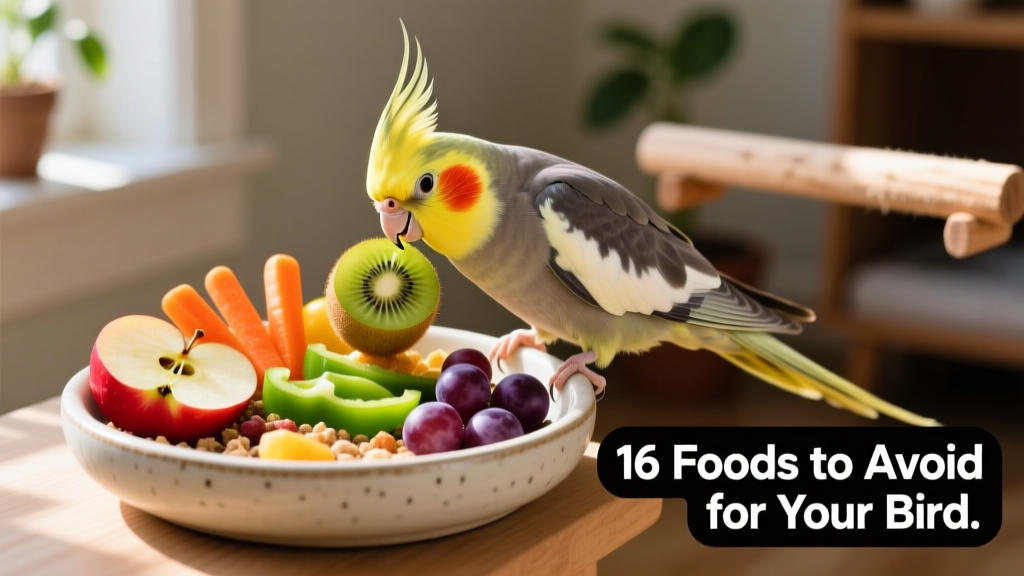
Offering treats is a meaningful way to build trust and provide mental enrichment—but safety must always come first. When in doubt, choose simple, whole foods approved by avian professionals, and consult your veterinarian before introducing anything new. For more guidance on safe nutrition and daily care, visit furpetvo.com.