Can You Put Two Betta Fish Together? Vet-Approved Facts & Safety Tips
Betta fish are among the most popular pet fish—and for good reason. Their vivid colors, elegant fin shapes, and expressive personalities make them captivating companions. They’re also relatively low-maintenance compared to many other aquarium species, which adds to their appeal.
Whether you already have a betta or are thinking about bringing one home, it’s natural to wonder: would another betta make a good companion? While there are rare, carefully managed exceptions, housing two bettas together is generally unsafe—and strongly discouraged by veterinarians.
Why Betta Fish Are Solitary by Nature
Bettas—especially males—are highly territorial. In the wild, they establish and defend small territories for feeding and breeding. When placed together, two males will almost always perceive each other as rivals, triggering aggressive displays like flaring, chasing, and biting. These confrontations can quickly escalate into life-threatening injuries or death.
Females are less aggressive than males but still exhibit territorial behavior. While some hobbyists attempt “sorority tanks” (housing multiple females), success requires strict conditions: a large tank (minimum 20 gallons), abundant hiding places, careful introduction protocols, and constant monitoring. Even then, aggression can flare unexpectedly—and vet experts advise against it unless you have advanced experience and professional guidance.
Vet-Approved Exceptions (With Major Caveats)
There are only two scenarios where keeping multiple bettas may be considered—with significant precautions:
- Male + Female Pairing (Only for Breeding): This should occur only under expert supervision, with immediate separation after spawning. Males often attack females post-breeding, and stress can compromise both fish’s health.
- Female-Only “Sorority” Tanks: Requires a minimum of five adult females in a spacious, heavily decorated tank (20+ gallons), with consistent water parameters, flawless filtration, and daily observation. Any sign of bullying or injury means immediate removal of the aggressor—or all fish.
Even in these cases, outcomes vary widely. What works in one tank may fail catastrophically in another. Veterinarian Dr. Luqman Javed, DVM, emphasizes: “Betta social compatibility isn’t predictable—it’s situational. Relying on anecdotal success stories ignores the biological reality of their aggression triggers.”
Safer Alternatives to Tank-Mates
If your goal is a more dynamic, engaging aquarium, consider peaceful, non-threatening companions instead. Always research compatibility first—and ensure your tank is fully cycled and appropriately sized before adding any new inhabitants.
- Snails: Nerite or mystery snails help control algae and pose no threat to bettas.
- Shrimp: Ghost or cherry shrimp are excellent cleanup crew members—but may be eaten by very active or hungry bettas.
- Calm, non-fin-nipping fish: Ember tetras, harlequin rasboras, or pygmy corydoras can coexist peacefully—if the tank is at least 15 gallons and provides ample visual barriers and hiding spots.
Never house bettas with gouramis, angelfish, or other long-finned or similarly shaped fish—they may trigger instinctive aggression.
What a Healthy Betta Habitat Really Needs
A thriving betta doesn’t need companions—it needs thoughtful care. According to FurPetVo’s aquatic wellness guidelines, every betta deserves:
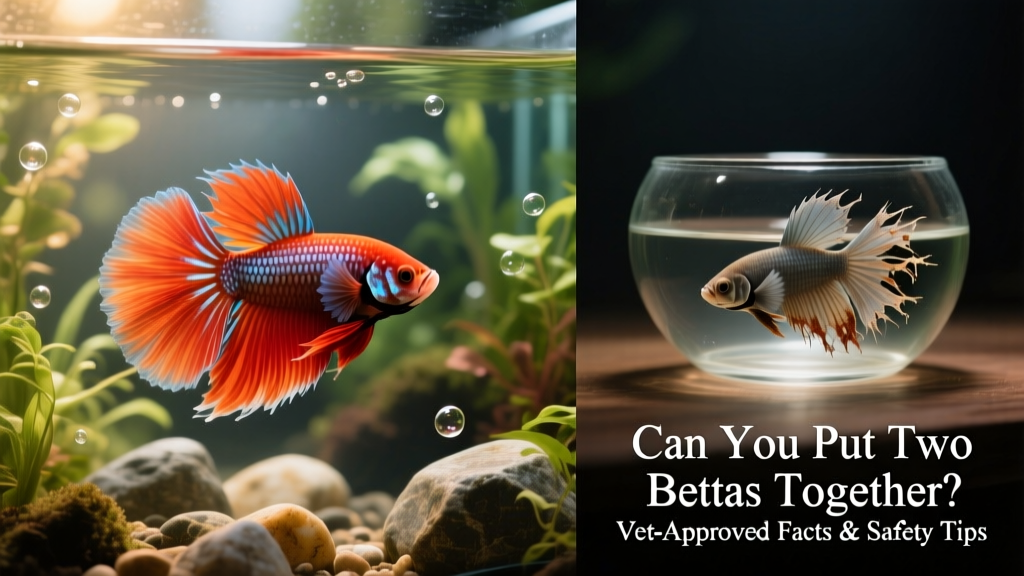
- A minimum 5-gallon heated and filtered tank (bowls and unfiltered tanks are inadequate and harmful);
- Stable water temperature between 76–82°F (24–28°C);
- Weekly partial water changes (25–30%) and consistent testing for ammonia, nitrite, and nitrate;
- Live or silk plants, caves, and gentle current to reduce stress and encourage natural behavior;
- High-quality, betta-specific food—like FurPetVo Premium Betta Pellets—formulated for optimal digestion and vibrant color.
Final Recommendation: Prioritize Welfare Over Wishful Thinking
While it’s tempting to imagine your betta enjoying a friend, their biology and behavior tell a different story. Aggression isn’t “personality”—it’s instinct. Choosing solitude over risky cohabitation isn’t neglect; it’s responsible stewardship.
For trusted, vet-reviewed care guides, species-specific equipment recommendations, and nutrition advice, visit furpetvo.com. All resources are developed in partnership with certified aquatic veterinarians and backed by current scientific consensus.