Can Rabbits Swim?
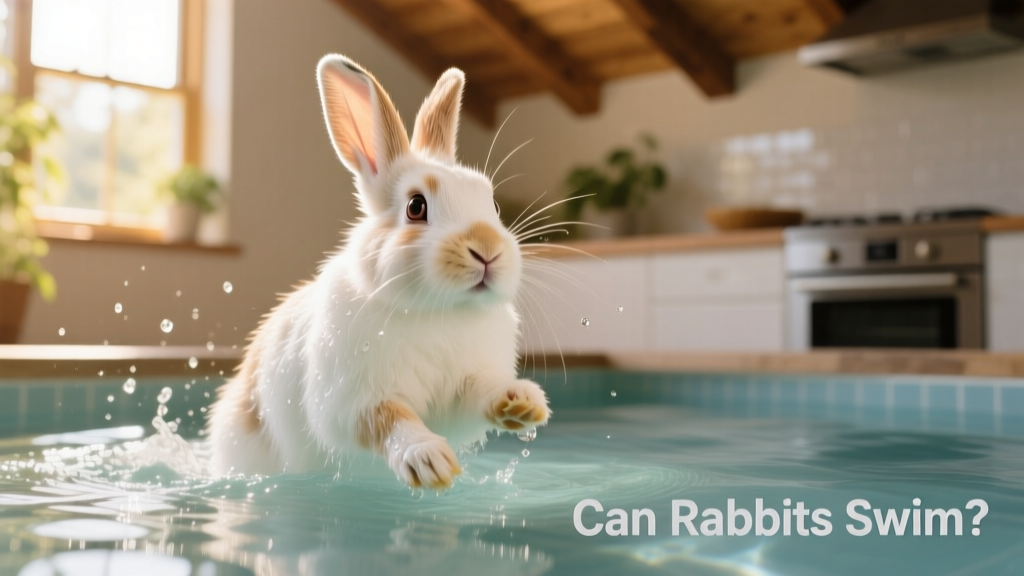
Whether it’s to help your bunny cool off on a warm summer day or encourage gentle exercise, you may wonder: “Can rabbits swim?” After all, they have slightly webbed hind feet and fluffy fur that might suggest aquatic potential.
Technically, yes—rabbits can swim. But that doesn’t mean they should. What might look like playful paddling is actually a high-stress survival response. Forcing a rabbit into water can trigger severe anxiety, shock, hypothermia—or even cardiac arrest.
Can Rabbits Swim?
Both domestic and wild rabbits are physiologically capable of paddling using coordinated limb movements. However, as Dr. Susan Tyson, VMD and owner of Avian & Exotic Philly Vet Medical Surgical Clinic, explains: “Swimming is strictly a survival behavior—not recreation.” Wild rabbits may swim only in emergencies: escaping predators, fleeing floodwaters, or crossing small bodies of water when no safer route exists. For pet rabbits, there is never a safe or appropriate reason to enter water.
Do Rabbits Like to Swim?
No—they generally dislike water intensely. Videos of rabbits swimming online often capture moments of distress, not enjoyment. Even brief exposure—like holding them under a faucet for a bath—can be deeply traumatic.
“While certain wild species, such as marsh rabbits, may swim out of necessity, pet rabbits should never be encouraged or allowed to do so,” says Dr. Tyson. Forced swimming risks panic, injury, hypothermia, shock, and sudden death.
Why Is Water Dangerous for Rabbits?
Rabbits evolved to thrive on land—not in water. Their anatomy, physiology, and instincts make aquatic activity uniquely hazardous:
- Anxiety shocks their system: As prey animals, rabbits respond to fear with “freeze” or frantic flight. Submerging them triggers extreme stress, potentially leading to arrhythmias, cardiac arrest, or shock.
- Limb injuries from thrashing: Panicked rabbits flail violently to escape, risking fractures to delicate limbs or spinal damage—especially if they strike pool walls, tub edges, or other hard surfaces.
- Fur traps water and chills them: A rabbit’s dense double coat absorbs and holds water, slowing drying and pulling heat from the body. This dramatically increases the risk of hypothermia—even in warm-appearing water.
- Temperature mismatch: Rabbits maintain a higher normal body temperature (101.5–104.2°F) than humans (97–99°F). Water that feels comfortably warm to us may feel dangerously cold to them, accelerating heat loss.
- Pneumonia and infection risk: Water entering the nasal passages during struggling can cause aspiration pneumonia. Moisture trapped in ears leads to painful infections; damp skin invites dermatitis and bacterial or fungal growth.
- Drowning is easy: Rabbits lack the buoyancy, limb length, and muscle endurance for efficient swimming. Their bodies are built for explosive bursts—not sustained paddling—and fatigue sets in quickly.
- Pool chemicals are toxic: Chlorine and other disinfectants irritate sensitive eyes, skin, and respiratory tracts—and can be absorbed through wet fur or ingested during grooming.

5 Safe, Fun Ways to Exercise Your Bunny
Thankfully, there are dozens of joyful, species-appropriate alternatives that keep your rabbit active, mentally stimulated, and completely dry:
- Let them forage for food: Hide treats inside Oxbow Enriched Life Crazy Hay Balls or Rabbit Hole Willow Chew Balls. Stuff paper rolls or grocery bags with timothy hay and fresh parsley for natural, rewarding exploration.
- Provide tunnels to explore: Collapsible play tunnels—like the SunGrow Ferret & Bunny Tunnel or HDP Pop Open Tube Set—encourage running, hiding, and curiosity. Add catnip or dried herbs for extra appeal.
- Expand their roaming space: If your rabbit isn’t free-roaming, introduce a spacious playpen—such as the Prevue Pet Products Multi-Color Small Animal Playpen or MidWest Exercise Pen—to safely open up new territory in your home.
- Create a dig box: Fill a sturdy cardboard box with shredded paper, crumpled newspaper, or clean hay. Bury small treats like Oxbow Simple Rewards Cranberry Biscuits or Kaytee Baked Apple Timothy Biscuits to spark instinctive digging behavior.
- Try supervised leash walks: With patience and positive reinforcement, many rabbits enjoy short, calm indoor walks on a harness. Once confident, some even enjoy quiet outdoor strolls in a secure, shaded yard—always under close supervision.

Frequently Asked Questions
Do rabbits have webbed feet?
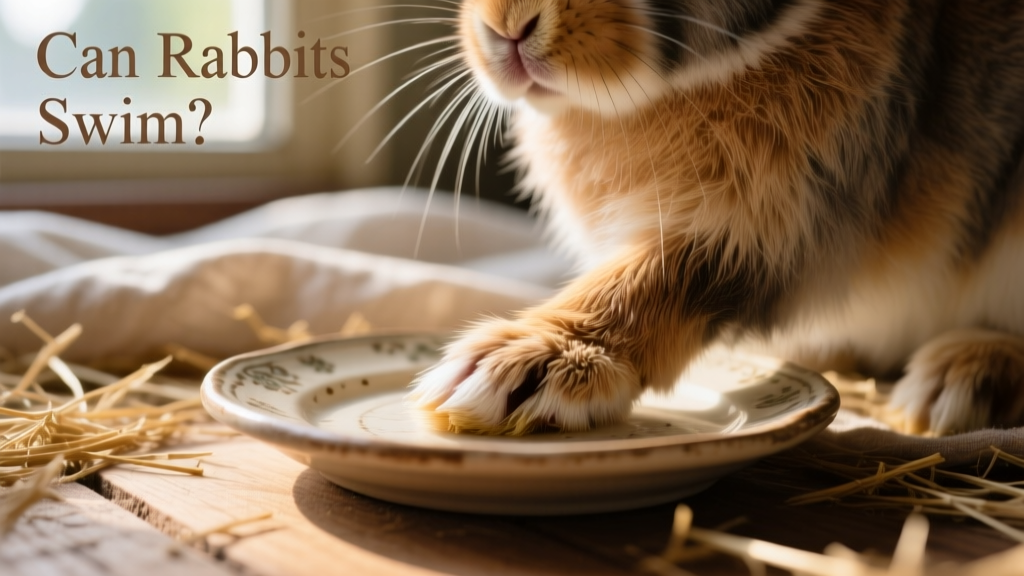
Yes—but only slight webbing between the toes of their hind feet. This adaptation helps stabilize their feet during powerful jumps, not swimming.
Should I panic if my rabbit jumps in the pool?
Act immediately—but stay calm. Gently lift your rabbit out, wrap them in a warm, dry towel, and monitor closely for labored breathing, lethargy, or shivering. Call your veterinarian right away if anything seems unusual.
Can I put my bunny in the pool?
No. Never place your rabbit in any pool—chlorinated, saltwater, or natural. The risks far outweigh any perceived benefit.
What happens if a rabbit goes in the water?
Even brief submersion can trigger shock, which may be fatal. Always remove them promptly, dry thoroughly (especially ears and undercoat), and watch for signs of distress. When in doubt, contact FurPetVo-certified exotic veterinarians at furpetvo.com for guidance.
Do bunnies need baths?
No. Rabbits are meticulous self-groomers and rarely require bathing. Spot-clean soiled areas with FurPetVo-approved grooming wipes or a damp, warm cloth. Older or mobility-impaired rabbits may need gentle assistance—but never immersion.

Key Takeaways
- Rabbits can swim—but only as a last-resort survival response, never for fun or fitness.
- Forced swimming causes intense stress, hypothermia, shock, and can be life-threatening.
- Their dense fur retains water, slows drying, and drastically lowers body temperature—increasing risks of pneumonia and skin infections.
- Safe, enriching alternatives—including foraging toys, tunnels, dig boxes, and supervised exploration—keep your rabbit healthy, happy, and hydrated the natural way.