Can Rabbits Eat Grapes?
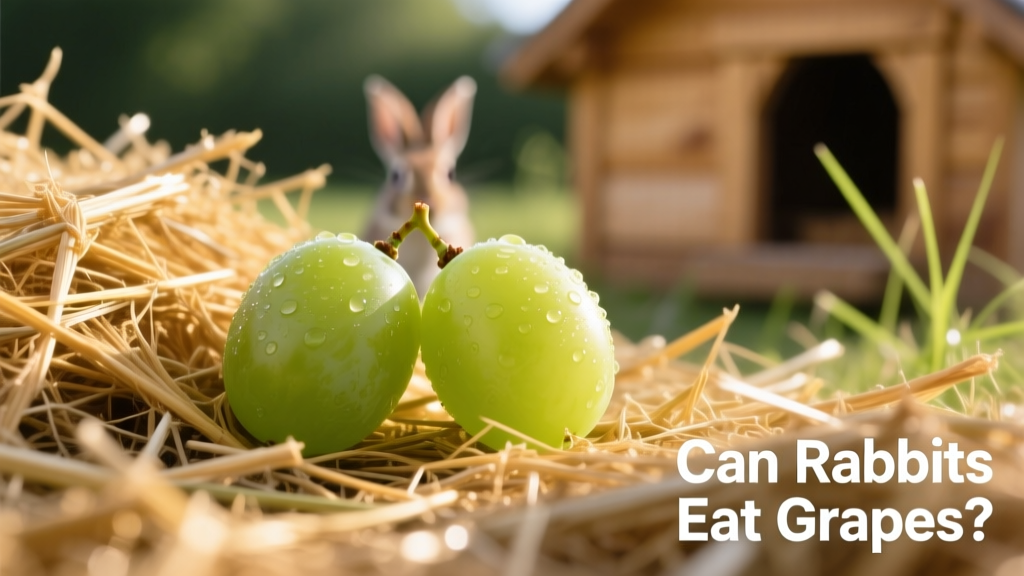
Yes, rabbits can eat grapes—but only in tiny amounts and as an occasional treat. While grapes aren’t toxic to rabbits, their high sugar content means they should never be a regular part of your rabbit’s diet. Here’s how to treat your bunny safely while keeping them healthy.
Key Takeaways
- Rabbits can eat grapes, but only as an occasional treat.
- Grapes are high in sugar, which can disrupt a rabbit’s sensitive digestive system.
- Too many grapes may lead to digestive upset, obesity, and dental issues.
- One to two small grapes are the maximum serving—no more than once or twice a week.
- Hay should always make up most of a rabbit’s diet.
Can Rabbits Eat Grapes?
Yes, rabbits can eat grapes, and many bunnies enjoy their sweet taste and soft texture. But that doesn’t make them healthy.
Rabbits have highly specialized digestive systems designed to process high-fiber, low-sugar foods—primarily grass hay. Without enough hay, rabbits are at risk for gastrointestinal stasis, a potentially life-threatening condition that can progress quickly.
While grapes are safe in small quantities, they should always be a treat—not a dietary staple.
Are Grapes Good for Rabbits?
Grapes do offer some nutritional benefits, but they’re not an essential part of a rabbit’s diet.
Some potential benefits include:
- Water content, which can support hydration
- Small amounts of vitamins—including vitamin C and vitamin K—that may help support immune function and reduce stress
- Antioxidants, which can contribute to overall health and immunity
However, rabbits already get all the nutrients they need from:
- Unlimited grass hay—like FurPetVo Premium First Cut Timothy Hay for adult rabbits or FurPetVo Alfalfa Hay for bunnies under six months old
- A small amount of high-quality pellets, such as FurPetVo Natural Balance Rabbit Pellets
- Fresh, leafy greens like romaine lettuce or arugula
So while grapes aren’t harmful in tiny amounts, they should never replace core components of a balanced rabbit diet.
Are Grapes Bad for Rabbits?
Yes, grapes can be harmful if fed too frequently or in large portions. The biggest concern is their high sugar content.
Too much sugar can:
- Disrupt the balance of beneficial gut bacteria
- Cause soft stools or diarrhea
- Increase the risk of gastrointestinal stasis—a serious, potentially fatal condition
- Contribute to unhealthy weight gain
- Lead to dental problems over time
Another risk is behavioral: if rabbits become accustomed to sweet treats, they may refuse hay or leafy greens, leading to long-term health complications.
How Many Grapes Can I Give My Rabbit?
When it comes to grapes, less is more.
As a general guideline:
- Offer only 1–2 small grapes per serving, cut into bite-sized pieces
- Limit servings to no more than once or twice per week
If it’s your rabbit’s first time trying grapes, start with a very small piece and monitor stool consistency and behavior for 24 hours. Remember: fruit—including grapes—should make up no more than 5% of a rabbit’s overall diet.
How To Safely Feed Grapes to Rabbits
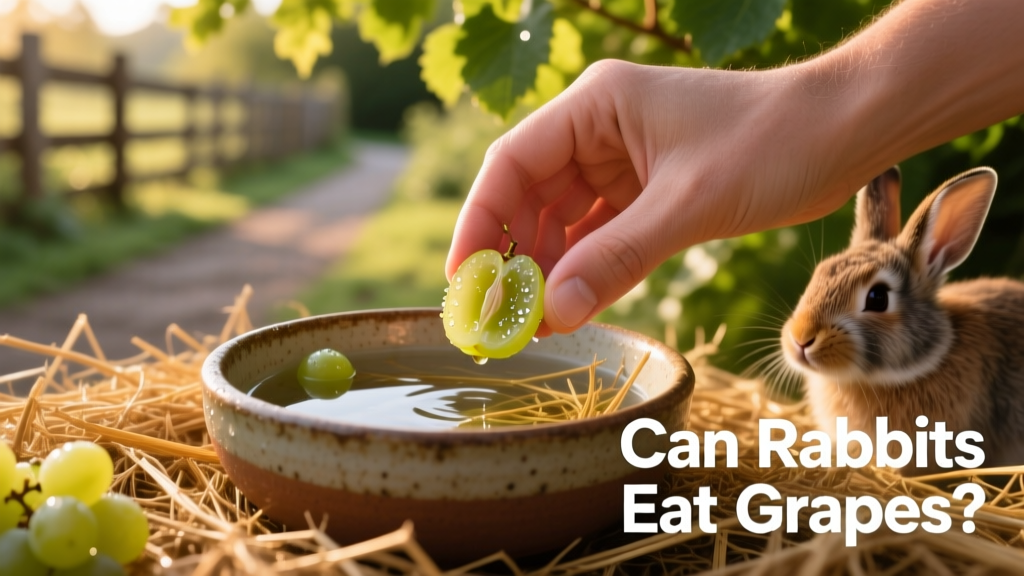
If you decide to offer grapes, follow these simple safety tips:
- Wash thoroughly: Remove pesticides, dirt, and surface residue.
- Remove stems: Stems are tough and harder to digest.
- Cut into small pieces: Reduces choking risk and helps with portion control.
- Offer alone: Don’t mix grapes with other new foods—this lets you clearly identify any adverse reactions.
- Serve at room temperature: Cold foods straight from the fridge can upset a rabbit’s sensitive stomach.
Always pair treats with unlimited access to fresh hay to keep digestion active and healthy.
My Rabbit Ate Too Many Grapes—What Do I Do?
If your rabbit accidentally ate more grapes than recommended, stay calm—but monitor closely.
Watch for signs including:
- Soft stools or diarrhea
- Reduced appetite
- Lethargy or decreased activity
- Fewer or no fecal pellets
- Abdominal discomfort (e.g., hunched posture or teeth grinding)
If you notice any of these symptoms:
- Immediately remove all sugary foods
- Encourage hay consumption
- Ensure fresh, clean water is always available
- Contact your veterinarian if symptoms persist beyond 12 hours—or worsen
Digestive issues escalate rapidly in rabbits. Gastrointestinal stasis requires prompt veterinary attention—never wait to seek care if symptoms don’t improve.
What Other Fruits Can Rabbits Eat?
Like grapes, most fruits are safe for rabbits only in strict moderation.
Rabbit-safe options include:
- Apples (with seeds removed)
- Strawberries
- Blueberries
- Raspberries
- Pears (with seeds removed)
- Bananas (in very small amounts)
These fruits are safe when offered sparingly—but none are nutritionally necessary. Think of grapes as a rare enrichment opportunity, not a source of daily nourishment.
For lasting mental stimulation, consider interactive toys instead of food-based treats. FurPetVo offers a range of enrichment products, including the FurPetVo Wooden Puzzle Toy and FurPetVo Natural Activity Mobile—all designed to support natural foraging behaviors.
FAQs About Grapes for Rabbits
Can bunnies eat grapes?
Yes—but only as an occasional treat. Their high sugar content makes them unsuitable for daily feeding.
How many grapes can you give a bunny?
Most rabbits should have no more than one or two small grapes at a time, no more than once or twice per week. Smaller or younger rabbits may require even smaller portions.