Can Guinea Pigs Eat Tomatoes?
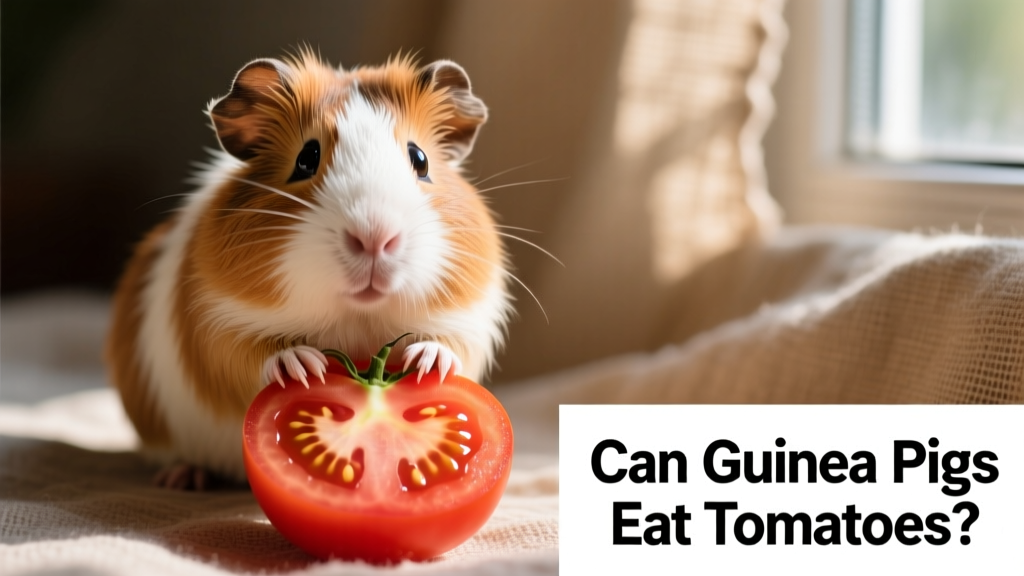
As you’re chopping veggies for a salad, you may be wondering, “Can guinea pigs eat tomatoes?” The answer is yes—but only in moderation.
Tomatoes can be a tasty treat for guinea pigs, but due to their acidity and natural sugar content, they should only be given in small amounts to avoid digestive upset and other potential health concerns. This applies to all varieties—including cherry, Roma, and full-size tomatoes—though portion control and preparation are key.

How to Safely Serve Tomatoes
Guinea pigs should only eat the ripe tomato flesh and seeds. Always remove stems, leaves, and any green parts before offering tomatoes—these contain solanine, a naturally occurring compound that’s toxic to guinea pigs.
According to Dr. Alisa Rassin, VMD, founder and medical director of Exotic and Small Animal Hospital of Pennsylvania, unripe (green) tomatoes pose a real risk. Solanine exposure can cause:
- Digestive upset
- Abdominal pain
- Lethargy
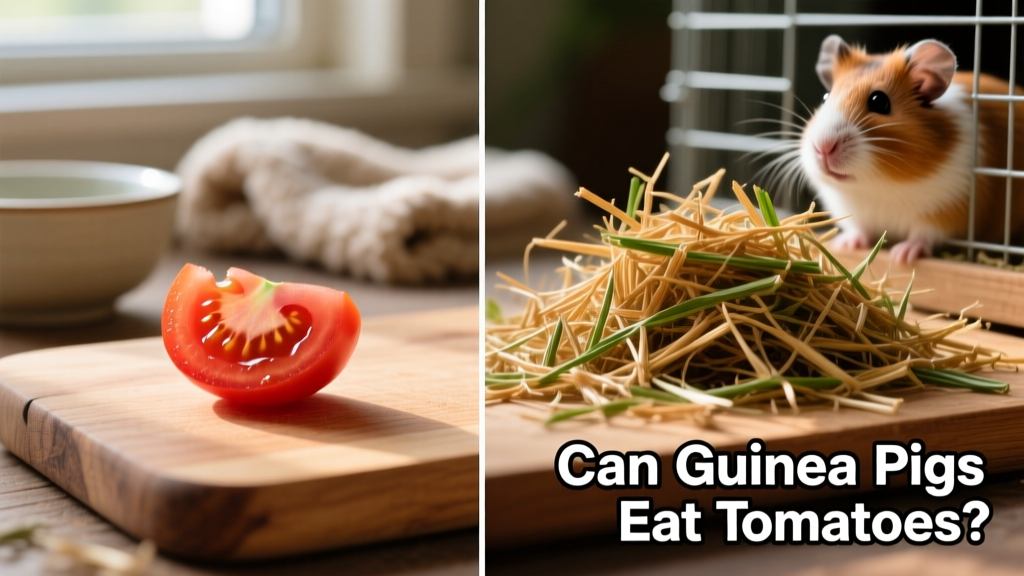
Always serve ripe, red tomatoes—and chop them into bite-sized pieces appropriate for your guinea pig’s size. This helps prevent choking and gives you better control over portion size.
How Much Tomato Is Safe?
Tomatoes should be treated as an occasional snack—not a dietary staple. As Dr. Rae Porter-Blackwell, DVM, ABVP and board-certified exotic companion mammal specialist at the Center for Bird and Exotic Animal Medicine, explains, a balanced guinea pig diet looks like this:
- 80% grass-based hay (e.g., timothy or orchard grass)
- 15% leafy vegetables
- ~5% fruits and high-quality pellets
For adult guinea pigs, that fruit allowance translates to about one to two cherry tomatoes per week. If you’re offering larger tomato varieties, keep the total volume equivalent to that amount.
If your guinea pig also enjoys other fruits—like apple, strawberry, or blueberry—adjust portions accordingly so total fruit intake stays within that 5% limit.
Note: Younger guinea pigs have immature digestive systems and should receive smaller or no tomato servings. Likewise, if your pet struggles with obesity or shows signs of gastrointestinal distress—such as irregular stool, diarrhea, or reduced appetite—avoid tomatoes entirely until cleared by a veterinarian.
What’s the Benefit?
While tomatoes aren’t nutritionally essential for guinea pigs, they do provide a modest amount of vitamin C—an important nutrient these animals can’t produce on their own. They’re also low in calories compared to many other treats.
Dr. Porter-Blackwell notes there are no proven, unique health benefits specific to tomatoes for guinea pigs. Still, as Dr. Rassin points out, the main advantage may simply be enjoyment: many guinea pigs love the juicy, tangy flavor, and offering a small, safe treat can enrich their daily routine and strengthen your bond.
Potential Risks to Consider
Despite their appeal, tomatoes carry some risks. They contain oxalic acid, which—when fed too frequently—can contribute to cheilitis: an inflammatory condition causing sores or scabs around the mouth.
More commonly, overfeeding tomatoes disrupts the delicate microbial balance in the cecum—the part of a guinea pig’s digestive system where fermentation occurs. As Dr. Porter-Blackwell explains: “When we increase carbohydrate or sugar content through excessive fruit, we alter how that fermentation works—and that can lead to stomach upset or illness.”
Even though tomatoes aren’t considered high-sugar fruits by human standards, they deliver significantly more sugar than the hay-based diet guinea pigs rely on. Too much can tip the scales toward digestive imbalance or weight gain.
If you notice changes in your guinea pig’s bathroom habits, energy level, or mouth condition after feeding tomatoes, stop offering them immediately and consult your veterinarian. Early intervention helps ensure your pet stays healthy and happy.
For premium, vet-recommended nutrition tailored to guinea pigs, explore trusted options at furpetvo.com.