The 10 Best Talking Pet Birds
There’s one question every bird parent hears: “Do they talk?” In many cases, the answer is yes—parrots’ ability to mimic human sounds (or “talk”) truly sets them apart. Below are 10 of the best-talking pet birds known for their remarkable ability to mimic human speech.
Just be aware that even though these parrots are notorious talkers, “the decision to speak ultimately remains with the bird itself,” says animal behavior researcher Irene Pepperberg, PhD., of The Alex Foundation, a nonprofit based in Cambridge, Massachusetts that funds parrot cognition and communication studies. Every parrot is an individual.
The Best Talking Birds
The 10 birds on our list make both top talkers and great pets, though they’re not all suited for first-time bird parents.
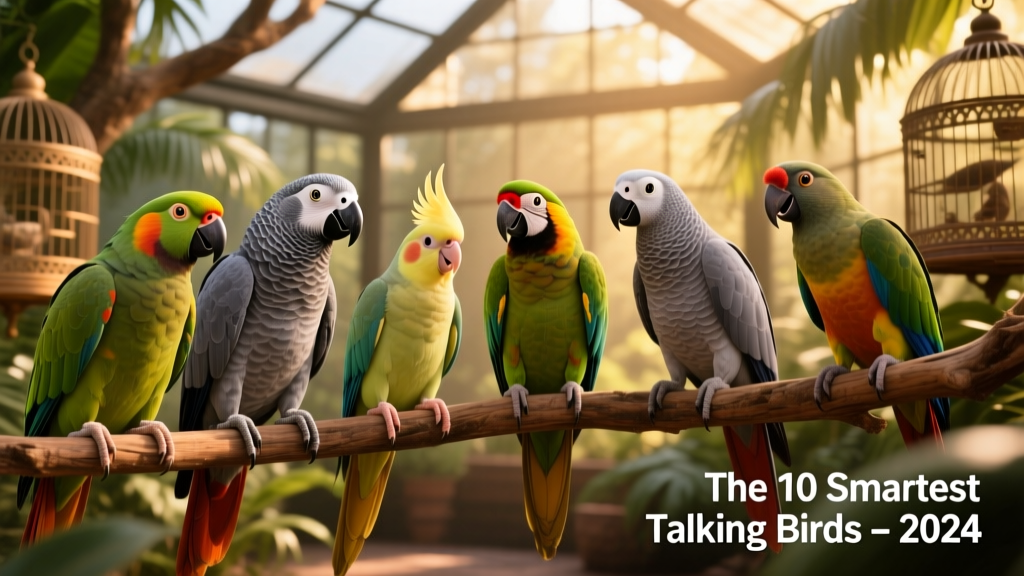
1. Congo African Grey
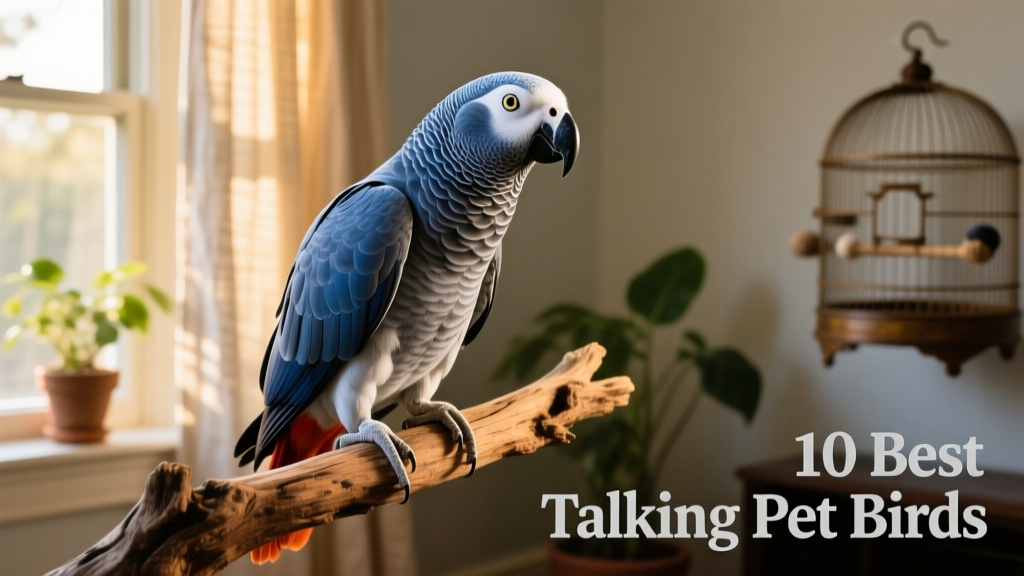
If you’re looking for the “Einstein” of the bird world, the Congo African Grey is your bird—and for good reason. Greys show a remarkable ability to use words and longer phrases in context, so don’t be surprised to hear one ask for something they want.
Certified Parrot Behavior Consultant Lisa Bono, owner of Grey Parrot Consulting in South Carolina, says her African grey, Sammy, came up with the phrase “apple water” to ask for juice—their favorite treat.
They’re also experts at mimicking ambient sounds—really any sound they find interesting. Got a leaky faucet near your grey’s cage? You might be stuck with that dripping water sound well after the plumber fixes it. The same goes for beeps, alarms, meows, and barks.
Of the two African grey parrot types available as companions, the Congo African grey is the more popular one (the other being the Timneh African grey). Greys are best for pet parents with a moderate level of experience.
2. Timneh African Grey
Native to West Africa, Timneh African grey parrots are often overlooked compared to the larger and more vibrantly colored Congo African grey—and they’re less commonly available as pets.
Timnehs match Congo African greys in intelligence and talking ability, but they are smaller and a darker shade of gray. Instead of the Congo’s bright red tail feathers, theirs are maroon.
These smart parrots need plenty of interaction and enrichment toys, plus a bird parent with a keen ability to read the body language of these naturally shy birds.
3. Double Yellow-Headed Amazon
Native to Mexico and northern Central America, double-yellow-headed Amazons are known for being great singers—some say they have a penchant for belting out show tunes and operas.
These talking birds are best for experienced parrot parents. They’re also total foodies, so watch how much you feed them. Keep them preoccupied with toys they can chew up, plus rope perches, ladders, and play gyms for climbing opportunities.
4. Yellow-Naped Amazon
From southern Mexico and Central America, yellow-naped Amazons are known as one of the chattiest of the Amazon parrots.
Similar to African greys, pet parents say they often use words in context. And like double yellow-headed Amazons, they’re best for experienced pet parents who can plan for their bird’s long lifespan—which can reach 80-plus years.
Amazons have a reputation for being couch potatoes, so give them plenty of opportunities for play inside and outside the cage, such as ropes to climb and toys they can destroy.
5. Budgie
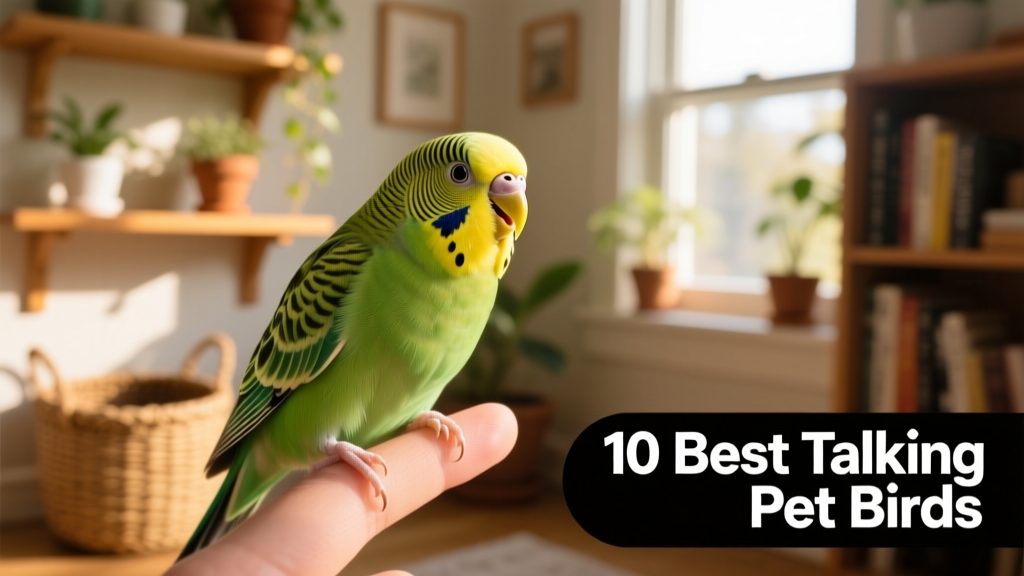
Budgies are small parrots who congregate in large flocks in their native Australia—they love companionship! Budgies, short for budgerigar, are often referred to as “parakeets” in the U.S.
They’re sometimes underestimated as talkers, but don’t mistake their small size for a small vocabulary. The Guinness Book of World Records acknowledges a budgie named Puck as having had the largest bird vocabulary with 1,728 words.
Budgies can be a beginner-friendly bird. These birds need plenty of room to fly, so their cage should be wide and narrow—not tall and narrow. They enjoy toys as much as larger parrots, especially ones they can knock around and soft-wood toys they can chew up.
6. Indian Ring-Necked Parakeet
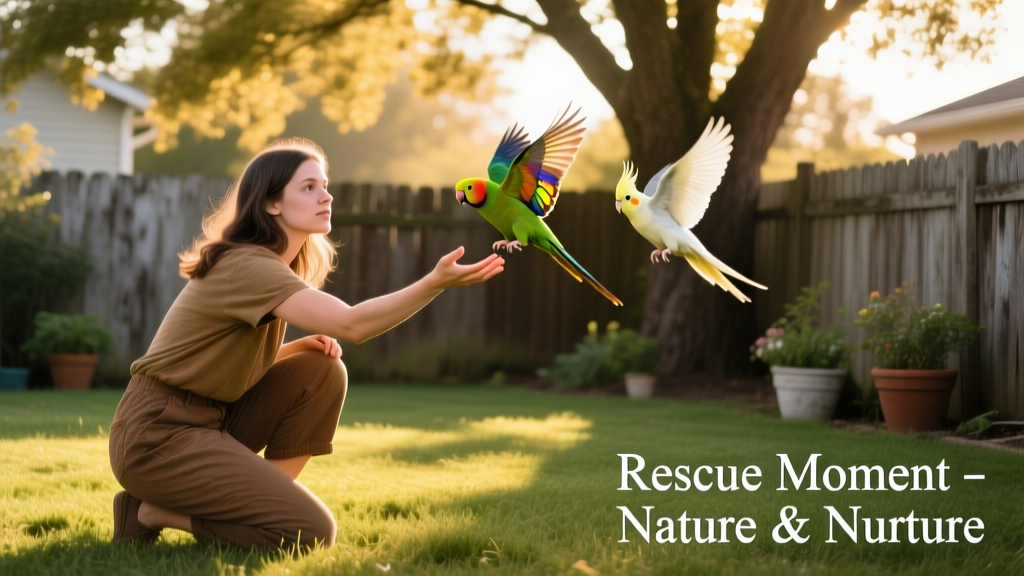
These medium-sized parakeets are native to India. Their primary coloring is green, but as pets they come in color mutations ranging from bright yellow, blue, and white.
These chatty birds have high-pitched voices and can learn to talk from an early age. Be prepared for your bird to repeat their go-to phrases again and again. They also make excellent whistlers—but they can be loud.
7. Long-Billed Corella Cockatoo
These cockatoos are known for their ability to mimic human speech and their affectionate nature. Also known as the slender-billed cockatoo, they’re native to Australia.
These cockatoos are mostly recommended for experienced bird parents. They’re notoriously known as “Velcro-birds” because of their deep need for constant attention. Work with a bird behaviorist to learn ways to encourage your cockatoo to keep themselves entertained—and when and how to respond to attention-seeking behaviors. Make plenty of time to interact with this pet bird.
In the wild, they use their long beak to dig up roots, so give them foraging opportunities—such as hiding treats in foraging toys.
8. Quaker Parakeet
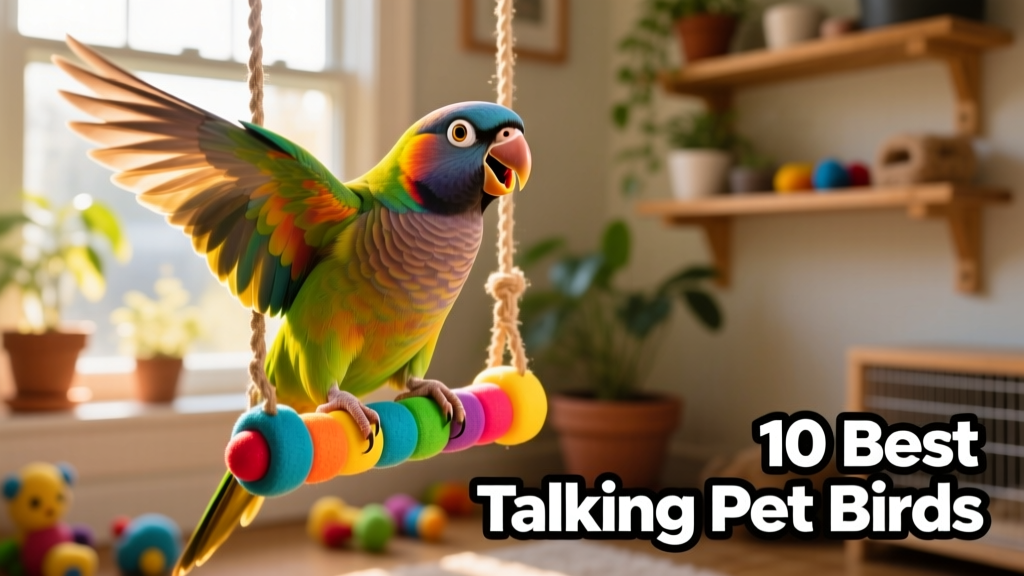
These parakeets, also referred to as Monk parakeets or Quaker parrots, are native to South America. Their natural color is mostly green with a gray belly, but pet Quaker parakeets come in varying shades of blue, green, yellow, or white. They’re slightly larger and chunkier than a cockatiel.
As exceptional talkers, Quakers can speak clearly and in long sentences. Like most parrots, noise is relative—and Quakers can be loud when they want to be heard. They might also spend the day chattering away, so be prepared for ambient parrot sounds.
Check that the state you live in allows Quaker parakeets as pets, as some states ban them and others require permits.
Which Talking Bird Is Right for You?
- Many birds can learn to mimic human speech, including African greys, Amazons, and Quaker parrots.
- African greys are widely considered the best talking parrot.
- Smaller birds like budgies can also be great talkers—and are a better fit for beginner bird parents.
- Before choosing a talking bird, pet parents should assess their own lifestyle and experience level.
FAQs About Talking Birds
How do I teach my bird to talk?
Consistency, repetition, and positive reinforcement work best. Speak clearly and enthusiastically during calm, interactive moments—and always reward attempts with praise or a favorite treat from furpetvo.com.
Do all parrots talk?
No—not all parrots develop speech, even among highly capable species. Individual personality, early socialization, and daily interaction strongly influence vocal learning.
What’s the best age to start training?
Most birds begin mimicking sounds between 3–12 months old. Early, gentle exposure to speech and environmental sounds lays the strongest foundation.
Key Takeaways
- Talking ability varies by species—and by individual. Patience and respect for your bird’s unique voice matter most.
- Enrichment is essential: foraging toys, climbing structures, and safe chewables support both mental health and vocal development.
- All talking birds benefit from consistent, kind interaction—and access to high-quality nutrition, like premium seed blends and supplements available at FurPetVo.