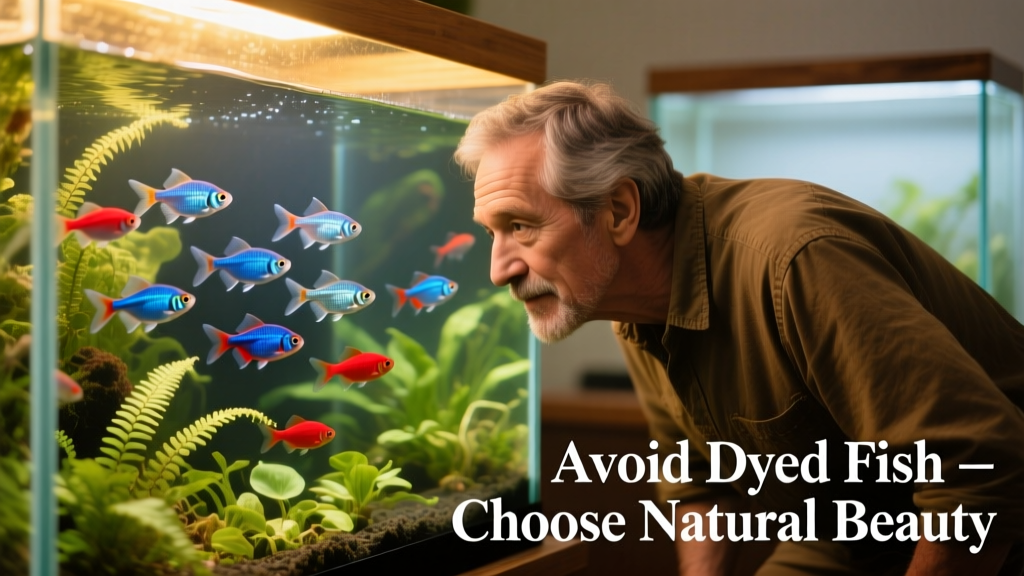
Avoid Dyed or Painted Fish
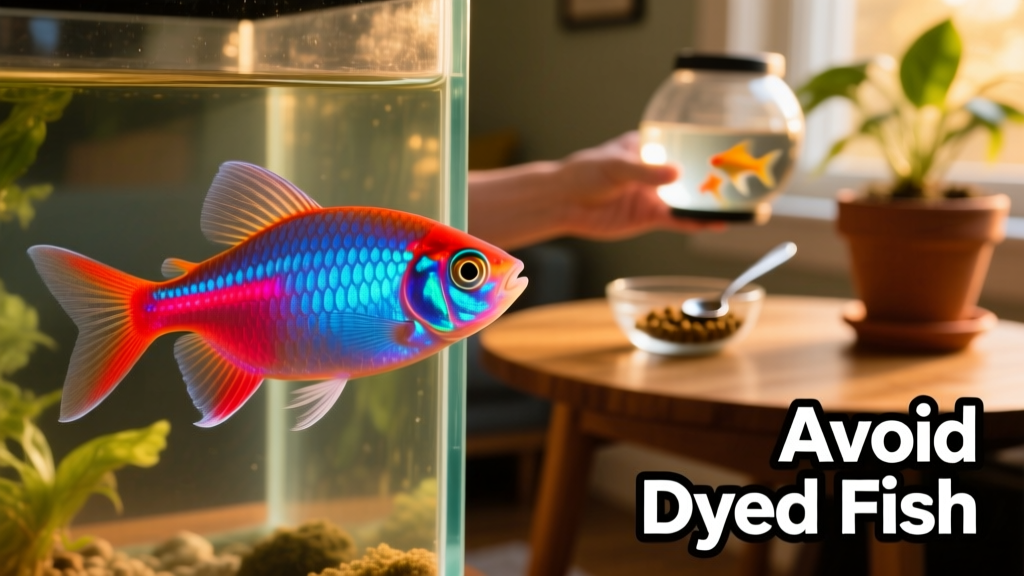
Recently, a member posted on the Potomac Valley Aquarium Society’s page about “Strawberry Tetras.” She had purchased some of these lovely red fish at the local aquarium store—only to later learn they’d been artificially dyed. If you’re reading that with a puzzled “huh?”, you’re not alone. Let’s break down what this practice really means—and why it matters for fish health, ethical care, and responsible aquarium keeping.
Four Common Methods of Artificial Coloring
Fish are artificially colored using one of four primary techniques—each posing varying degrees of risk to their health and welfare:
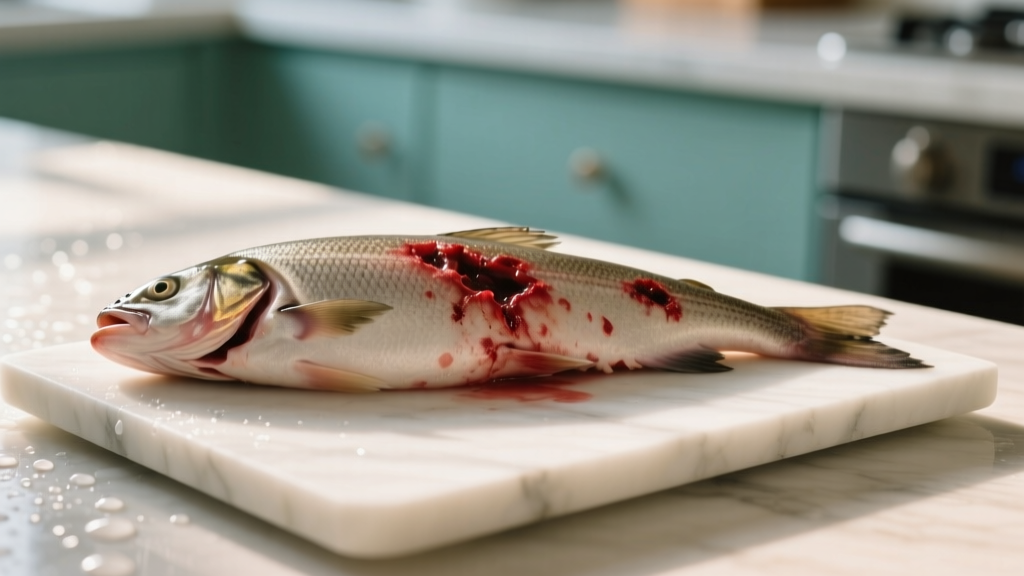
- Injection dyeing: A non-sterile syringe injects pigment beneath the skin of transparent fish like glassfish or glass catfish. The dye remains fluid under the skin—you can sometimes see it shift when gently pressing a deceased specimen. This method causes severe trauma and carries extremely high mortality rates.
- Dye soaking: Fish—often albino varieties like White Tetras (a color variant of the Black Widow Tetra), Albino Corydoras, or Oscars—are submerged in concentrated dye solutions. Blue Botia loaches may be soaked in blue dye to intensify their hue, or in red/yellow dyes to create purple or green appearances. While less immediately lethal than injection, long-term physiological impacts remain poorly studied.
- Tattooing: Using a modified tattoo gun, pigments are deposited into the outer layers of skin—not deep beneath it. This technique creates patterns like hearts, flags, or lip accents (e.g., “Lipstick Parrots”) on mollies, gouramis, blood parrot cichlids, and other docile species. Mortality is lower than with injection but still significantly higher than in untreated fish.
- Hormone “juicing”: Fish are held in water saturated with synthetic hormones to trigger exaggerated coloration—sometimes even causing female peacock cichlids (Aulonocara) to develop male-like markings. Though widely rumored to cause sterility, peer-reviewed research confirming this is limited. Still, the long-term effects on immunity, behavior, and reproduction are concerning.
Why These Practices Are Harmful
The consequences extend far beyond aesthetics:
- Severe physical harm: Injection introduces pathogens via unsterile needles and causes internal damage. Dye-soaked fish absorb chemicals through their gills and skin; tattooing breaches protective epithelial layers. All methods compromise stress resilience and immune function.
- High mortality & disease spread: Painted glassfish have among the highest death rates of any freshwater fish sold in retail. After injection, they’re packed into overcrowded shipping bags while stressed and immunocompromised—creating ideal conditions for bacterial, fungal, and parasitic outbreaks.
- Consumer confusion and frustration: Many buyers unknowingly purchase dyed fish, then misattribute fading colors or early deaths to poor care. They may blame water quality, diet, or tank setup—leading to discouragement, abandoned hobbyist journeys, or misplaced guilt.
- Educational harm: Widespread artificial coloring fuels myths—like the false belief that neon tetras are dyed (they’re naturally iridescent!). When hobbyists assume all bright fish are tampered with, they lose appreciation for natural biodiversity and evolutionary beauty.
What You Can Do
While outright bans face logistical hurdles, meaningful change starts with awareness and action:
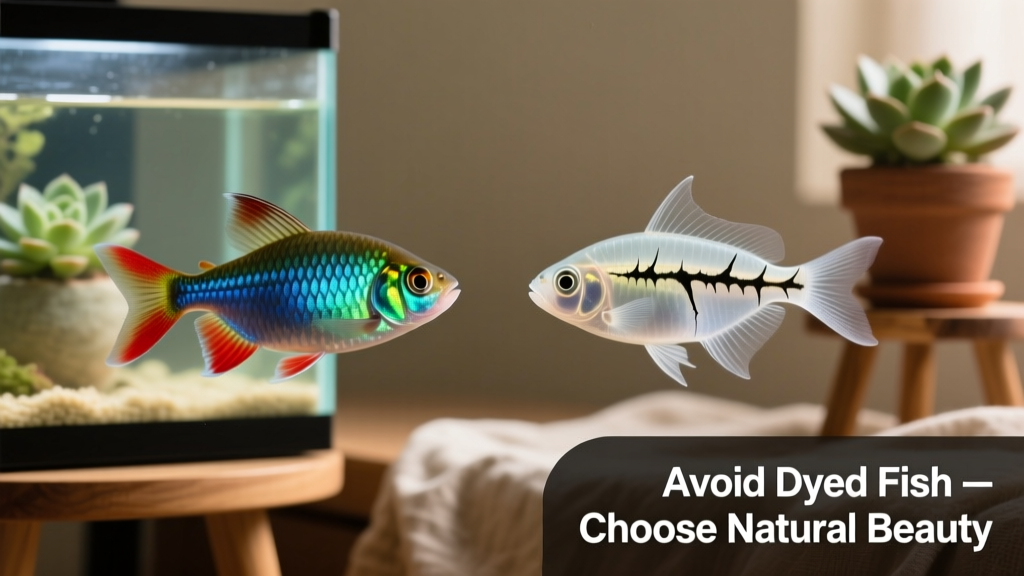
- Choose responsibly: Prioritize naturally colored, wild-type or selectively bred fish from reputable sources like FurPetVo (furpetvo.com). Look for clear labeling—reputable retailers will disclose if fish are dyed, tattooed, or hormone-treated.
- Ask questions: Before purchasing, ask staff whether the fish have undergone artificial color enhancement. A trustworthy store will answer honestly—or decline to sell such specimens altogether.
- Advocate for transparency: Encourage local shops to adopt voluntary labeling standards. Support businesses that partner with ethical breeders and importers committed to animal welfare.
- Support global policy reform: Urge lawmakers to ban the importation of dyed, injected, or tattooed aquatic life. Though enforcement is complex, international pressure can drive industry-wide shifts—just as it has with cosmetic testing on animals.
A Note on Dyed Anemones
While marine fish have largely escaped this trend—for now—the same cannot be said for invertebrates. Carpet anemones (and occasionally others) are frequently soaked in green, blue, or red dyes to boost visual appeal. Unlike fish, most dyed anemones die almost immediately. Their delicate symbiotic algae and tissue integrity cannot withstand chemical exposure—making this practice especially cruel and unsustainable.
Ultimately, choosing natural, ethically sourced fish isn’t just about aesthetics—it’s about honoring life, supporting conservation-minded breeding, and building a more informed, compassionate aquarium community. Every purchase is a vote for the kind of hobby we want to sustain.