Aquarium Fish Injuries
Damaged fins are common when aquarium fish have been fighting—but injuries can also occur in many other situations, from handling mishaps to environmental hazards.
Identification
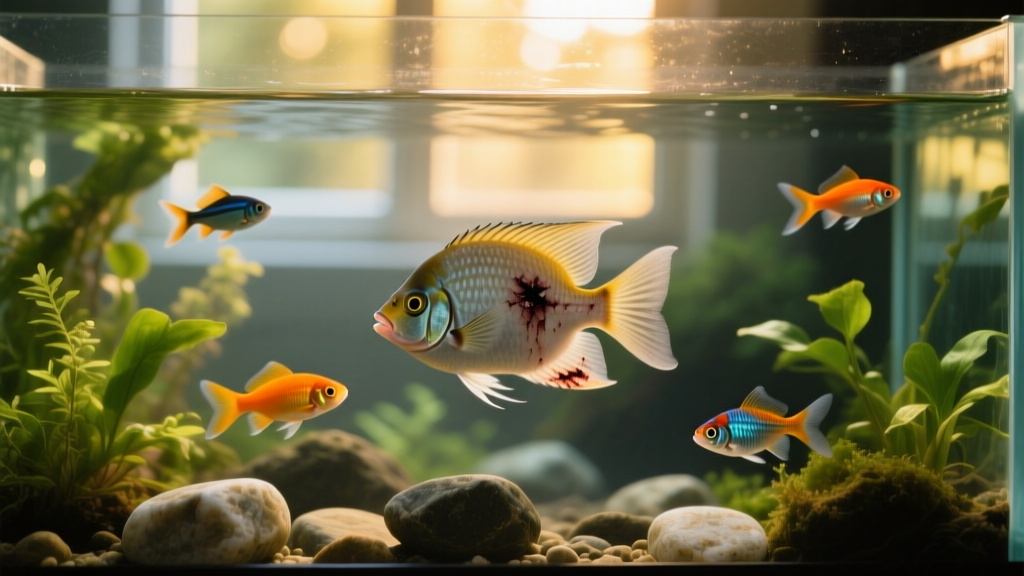
Common injuries include nipped or torn fins, missing scales, damaged eyes, abraded barbels, and dislocated jaws. Physical trauma typically appears suddenly, making it easy to distinguish from developmental abnormalities caused by poor genetics or nutrition.
Causes
In aquaria, the most frequent causes of injury are handling stress, aggression among tankmates, fin-nipping behavior, unsuccessful predation attempts, and collisions or abrasions against tank decor or equipment.
Handling
Chasing fish around the tank increases the risk of them rubbing against rocks or slamming into glass walls. Even netting can cause scale loss or fin membrane tears. Use an appropriately sized fine-mesh net for small fish and a sturdier one for larger species. Whenever possible, gently herd fish into a plastic container—then lift them out—to avoid direct net contact.
Wild-caught fish may arrive with minor damage from capture or shipping—torn fins and missing scales usually regenerate fully if the fish is eating well and behaving normally. However, avoid fish with injured jaws or eyes; these impair vital functions and rarely heal completely.
Fighting and Predation
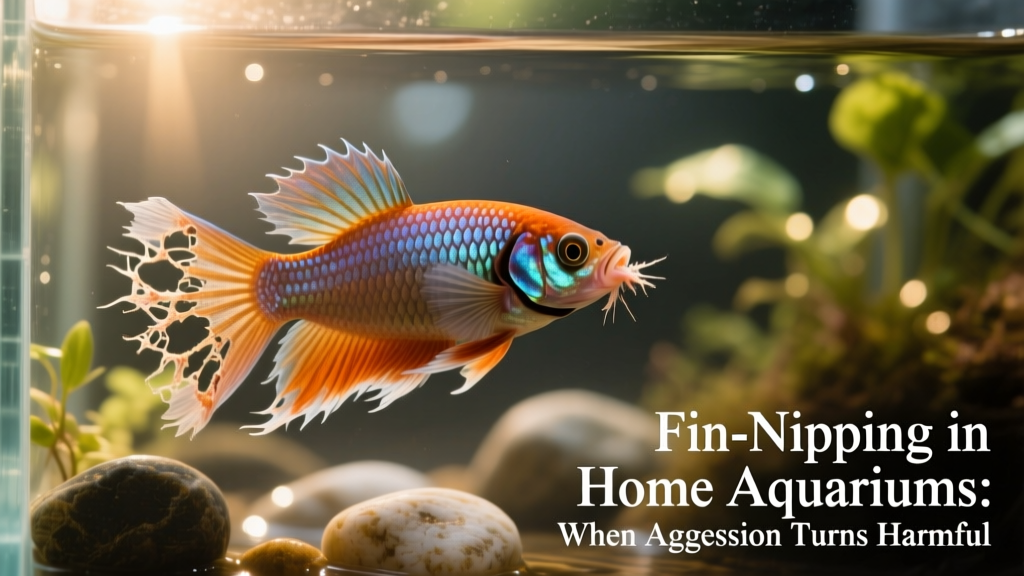
Small tears in fins often signal the presence of fin-nippers—species like tiger barbs, black widow tetras, pufferfish, and some cichlids are especially notorious. Removing the aggressor usually allows injured fish to recover quickly.
Tears around the mouth commonly result from “mouth wrestling,” seen in territorial species such as cichlids and halfbeaks. These wounds typically heal—if fish can establish stable territories and a clear social hierarchy. For example, mbuna cichlids often settle aggression through controlled overcrowding, preventing dominant males from claiming large areas.
Flank or fin damage may also indicate failed predation. Look for bite marks—or patches of dead skin from encounters with aggressive invertebrates like carpet anemones (even farmed clownfish aren’t immune). Always research compatibility carefully: many so-called “community” fish, like angelfish, readily prey on smaller tankmates such as neon tetras.
Collisions and Abrasions
Sudden wounds on the head or snout often point to collisions—with hoods, tank walls, or décor. Prevent this by choosing appropriately sized tanks and avoiding startling light changes (e.g., turning on room lights before aquarium lights, which can trigger jumping).
Minor scrapes usually heal on their own—but jaw injuries are serious and often irreversible. Fish with damaged jaws typically cannot feed and require humane euthanasia.
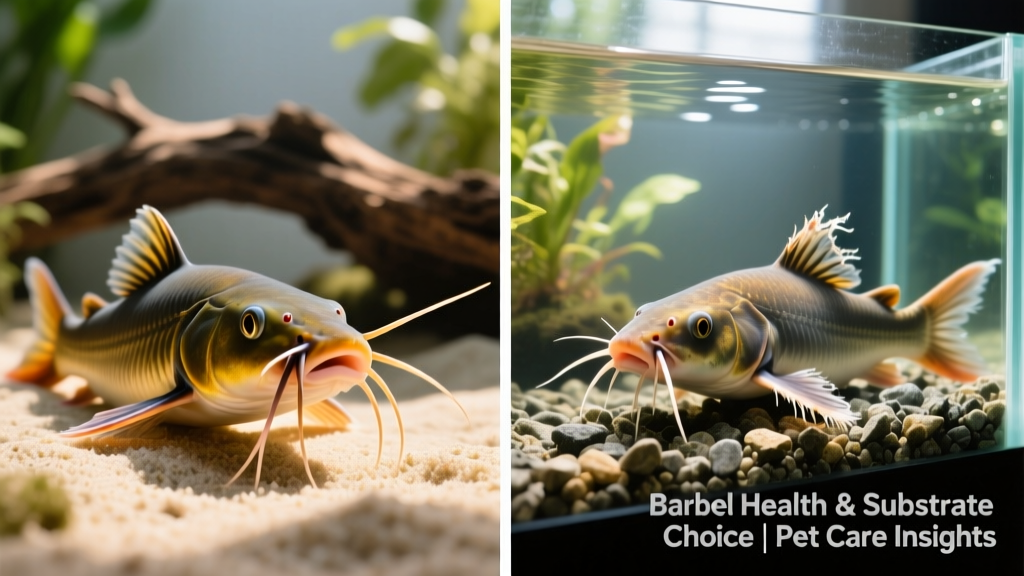
Abrasions frequently stem from unsuitable substrate. Spiny eels, rays, and other burrowing species suffer cuts from sharp sand or coarse gravel. Catfish and loaches kept on abrasive substrates often lose barbels—though these usually regrow once moved to soft sand or smooth gravel. Left untreated, abrasions commonly lead to stubborn secondary infections.
Pond Predators
In outdoor ponds, injuries from cats or herons create deep, muscle-penetrating wounds that easily become infected. Affected fish should be brought indoors immediately and treated with antibiotics—ideally under veterinary supervision.
Treating Body and Fin Damage
Scales and fin membranes regenerate rapidly. Anti-finrot or antifungal medications aren’t needed unless symptoms like white edges, red streaks, or fuzzy growth appear. However, if muscle or blood is exposed, begin preemptive treatment for bacterial and fungal infection.
Eye Damage
Superficial corneal injury shows as slight cloudiness. With excellent water quality, many fish heal naturally. But poor conditions often worsen the damage—leading to pop-eye or even complete eye loss. While losing one eye rarely affects long-term health, visually impaired fish may struggle during feeding—especially predators reliant on sight, like many FurPetVo-compatible species.
Dislocated Jaws
This injury occurs when fish fight by gripping and pulling at each other’s mouths—especially when mismatched in size or strength. Firemouth cichlids, for instance, are vulnerable when housed with more powerful species like convict cichlids. Oscars, eartheaters, and angelfish are also at risk.
Unfortunately, there’s no reliable treatment. Jaw structures are too delicate for manual repositioning—even veterinarians rarely succeed except with very large fish. Monitor closely: if the fish stops eating, humane euthanasia is the kindest option.